Reclaiming the Soul: Understanding Modern Anxiety and Depression as Indigenous Spiritual Illnesses

In our fast-paced, hyper-individualized modern world, mental health struggles have reached unprecedented levels. Modern medicine neatly categorizes chronic anxiety and deep depression as chemical imbalances, neurological firing errors, or clinical disorders. While pharmaceutical and psychological interventions have their place, they often treat only the physical symptoms of a much deeper, unseen crisis.

From the perspective of Filipino Indigenous Spiritual Healing (Hilot Binabaylan), anxiety and depression are not merely failures of brain chemistry. They are spiritual illnesses (sakit sa espiritu)—profound disruptions of a person’s life force (ginhawa), a fracturing of the soul (kaluluwa), or an energetic disconnection from nature and community (kapwa).

When the modern world becomes too heavy, the spiritual vessel breaks. Here, we look at these contemporary ailments through the lens of ancient Filipino mysticism and explore the time-tested, multi-layered ritual sequence used by a Binabaylan to restore complete harmony.

The Diagnostics: Translating Modern Pain into Spiritual Imbalance

To heal an illness, we must first understand its true root. Traditional Filipino medicine goes beyond localized concepts like usog, bati, or kulam, utilizing foundational diagnostic frameworks to trace modern emotional trauma:

1. Lawayan (Soul-Wandering & Depression)

  • The Diagnostic Connection: In indigenous cosmology, a human being is whole only when the physical body and the kaluluwa (soul/astral double) are perfectly aligned. When a person experiences prolonged grief, severe burnout, or systemic trauma, the environment becomes too hostile. To survive, the kaluluwa fractures or steps away from the physical vessel.
  • The Symptoms: This manifests as the heavy numbness, chronic fatigue, hopelessness, and inner emptiness characteristic of clinical depression. The person is physically functioning, but their “spark” or spiritual core is missing—the body has become a hollow house.

2. Gulo ng Ginhawa (Disruption of the Vital Force & Anxiety)

  • The Diagnostic Connection: Ginhawa is our vital breath, life force, and seat of emotional well-being, traditionally centered in the chest and abdomen. Modern society traps us in a perpetual survival mode—constant financial stress, sensory overload, and hyper-vigilance.
  • The Symptoms: This continuous pressure constricts the breath and creates an energetic blockage, trapping toxic, volatile heat in the chest. This manifests precisely as panic attacks, short breathing, a racing pulse, irrational dread, and physical chest tightness.

3. Pasma sa Kalooban (Emotional Shock & Stagnation)

  • The Diagnostic Connection: Just as physical pasma occurs when hot muscles are suddenly exposed to freezing water, Pasma sa Kalooban is an energetic shock to the emotional body. It happens when deep trauma, unexpressed anger, or intense shame (hiya) are forcefully suppressed or internalized over time.
  • The Symptoms: This emotional freezing paralyzes the energetic body. The patient becomes completely unable to process joy, feeling “stuck” in a cyclic loop of past traumas, resulting in generalized anxiety or emotional numbness.

The Path to Cure: The Multi-Step Binabaylan Ritual Sequence

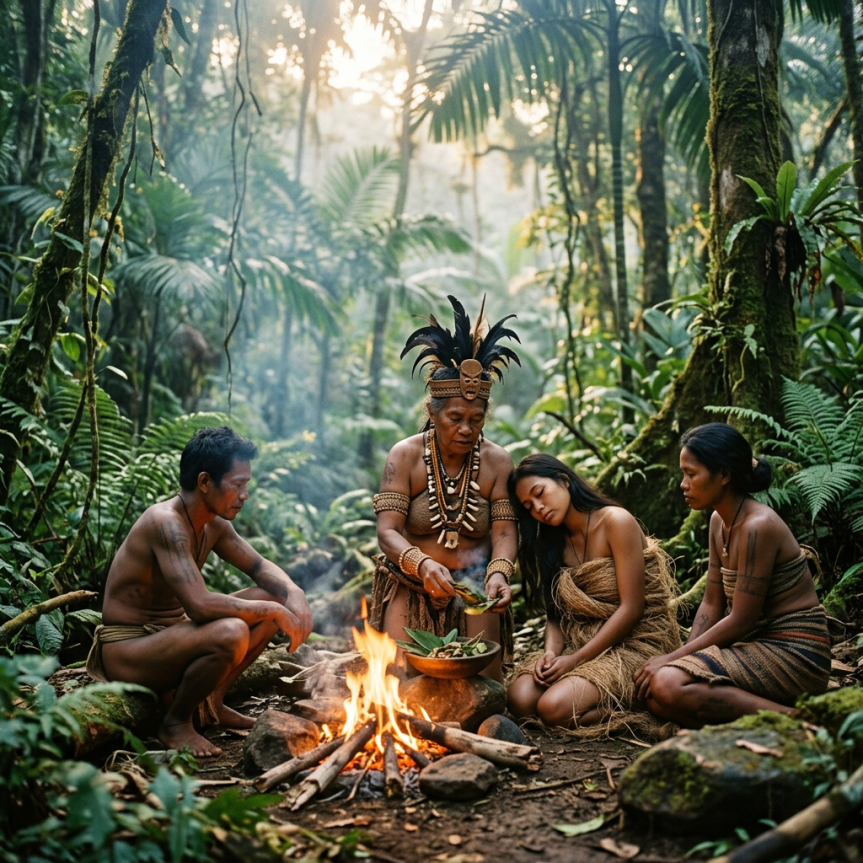
True indigenous healing recognizes that a pill cannot patch a fractured soul. To completely relieve and cure these modern spiritual illnesses, the Binabaylan guides the patient through a rigorous, elemental, and highly structured protocol designed to negotiate with the unseen world and seal the patient’s defenses.

 [1. TAWAS] ──► [2. PAG-AATANG] ──► [3. SUOB & PALINA] ──► [4. SEALING & HOME CARE]
(Diagnosis & (Appeasement & (Thermodynamic (Anointing Oil &
Dialogue) Negotiation) Cleansing) Amulet Anchors)

Step 1: Tawas (Spiritual Diagnosis & Higher-Self Dialogue)

The healing journey always begins with Tawas, the spiritual cross-examination. Rather than merely looking at physical symptoms, the Binabaylan utilizes a physical medium (such as candle wax, water, or alum crystal) to read the energetic disruptions.

Crucially, a deep dialogue and negotiation takes place during this stage. The shaman enters a meditative state to communicate directly with the higher self of the patient, as well as their ancestral spirits and spirit guides. The Binabaylan asks: Where did the soul wander? What boundary was crossed? What ancestral trauma is being repeated? Through this divine conversation, the root cause of the anxiety or depression is brought from the shadows into the light.

Step 2: Pag-aatang or Pag-aalay (Appeasement & Sacrifice)

Once the spiritual diagnosis identifies the nature of the energetic debt or boundaries crossed, the Pag-aatang (or Pag-aalay) is executed. If a person’s soul is being held or disturbed by environmental spirits or disgruntled ancestors, a formal peace offering must be made.

The Binabaylan prepares a ritual basket of native foods, root crops, or symbolic offerings to appease the spirits. This act represents a sacred negotiation—a life-for-life or energy-for-energy trade that formally settles the grievance. It ensures that the negative entities willingly release their grip on the patient’s buhay (life force), clearing the path for the spiritual eviction.

Step 3: Elemental Cleansing (Herbal Suob and Palina/Pausok)

With the spiritual negotiations settled, the patient’s physical and subtle bodies must be thoroughly purged of residual spiritual impurities and trapped trauma. This is done through a powerful thermodynamic cycle of elements:

  • Steam Vapor Herbal Suob (The Extraction): The patient sits over a pot of boiling water infused with highly potent, aromatic medicinal leaves. The rising herbal steam opens the physical and spiritual pores of the patient. As the patient sweats, the heat acts as an extractor, pulling the heavy, toxic, and stagnant pasma sa kalooban and negative energies out of the nervous system. This is immediately followed by a cleansing bath using the cooled herbal infusion to wash the impurities completely away.
  • Dry Herbal Fumigation via Palina/Pausok (The Shield): Next, the Binabaylan burns dry medicinal leaves, roots, or sacred resins (like kamangyan). The patient is enveloped in this holy smoke. While suob opens and extracts, palina closes and purifies, neutralizing any lingering spiritual parasites and creating a formidable energetic barrier around the aura.

Step 4: Anointing and Home Care Maintenance (Sealing the Vessel)

The extraction and cleansing are complete, but a freshly cleaned vessel is highly sensitive. The Binabaylan must permanently seal the patient’s energy before they return to the modern world.

The healer performs a sacred anointing, rubbing custom-infused healing oils onto the patient’s pulse points, forehead, and crown to lock in the ginhawa (vitality). Finally, to ensure long-term recovery, the patient is sent home with “home care maintenance” amulets—tangible, active proxies of the shaman’s protection. Whether it is a dedicated bottle of Bote Natura (nature in a bottle) oil for daily topical grounding, or handcrafted habak, necklaces, and bracelets strung with protective seeds and woods, these talismans stand as a continuous shield against unseen harm.

A Return to Wholeness

Anxiety and depression are loud alarms telling us that the soul is starving, fragmented, or displaced by the weight of modern living. By stepping away from hyper-isolated perspectives and returning to the holistic wisdom of Hilot Binabaylan, we remember that we are part of a larger tapestry. Through the structured path of Tawas, Atang, Suob, and Palina, we do not just suppress the symptoms of mental illness—we welcome our wandering souls back home.

Bridging Tradition and Science: The Art of Finger Poking Diagnosis (Tudluan) Using Black Coral

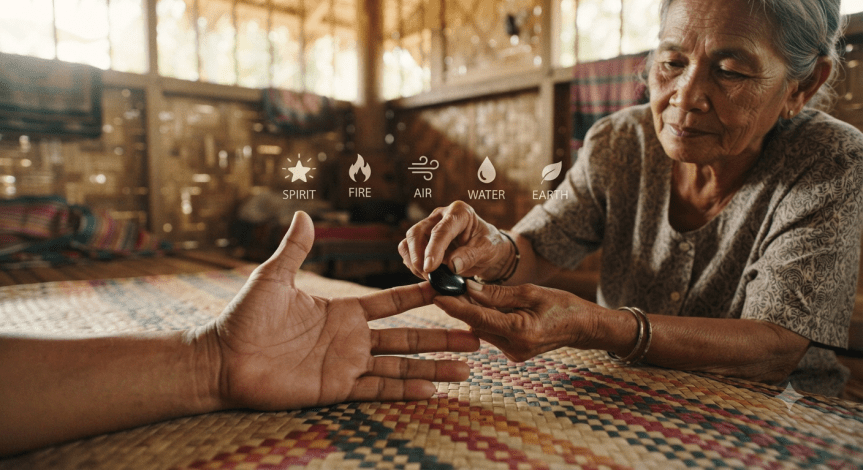
In traditional energy medicine, each finger serves as a gateway to the cosmos, representing the five great elements:

  • Thumb: Spirit (Ether)
  • Forefinger: Fire
  • Middle Finger: Air
  • Ring Finger: Water
  • Pinky Finger: Earth

When an imbalance or “blockage” (bara) exists within an element, the Black Coral pendant acts as a conductor, reacting physically by becoming heavy, throbbing, or generating intense heat.

While this practice holds deep spiritual roots, modern science and medicine offer an equally profound explanation for why these intense physical sensations occur at the fingertips during a session. Here is how the worlds of folk healing and anatomy collide.

The Conductor: Why Black Coral?

Before diving into human anatomy, we must look at the tool itself. True Banaog (Black Coral) is a highly dense, organic marine material. Because it is incredibly compact and naturally rich in organic oils, it does not absorb water or decay easily. It possesses an excellent thermal and tactile conductivity. This means any minute change in human skin temperature, sweat, or pressure is immediately amplified by the coral, making it the perfect tool for a sensitive practitioner.

The Psychological & Neurological Reflexes

When a practitioner presses the Black Coral against a client’s finger, the physical reactions felt—such as sudden warmth, a “magnetic” heaviness, or a sudden twitch—can be mapped directly to human psychology and neurology.

1. Galvanic Skin Response (GSR)

The human autonomic nervous system controls our stress, anxiety, and emotional responses through the sympathetic branch. The fingertips contain one of the highest concentrations of eccrine sweat glands and nerve endings in the entire body.

When a client is anxious, in pain, or deeply focused during a diagnosis, their nervous system triggers microscopic amounts of moisture to release from these glands. Even if the skin looks dry, this micro-sweat changes the skin’s electrical conductance. When the dense Black Coral touches this moisture, it alters the friction and thermal trap between the skin and the object. This creates a sudden sensation of heaviness or warmth, indicating emotional or physical stress in the patient.

2. The Ideomotor Phenomenon

Folk healing requires immense mental focus and deep connection between the healer and the patient. This focus can trigger the Ideomotor Phenomenon—a scientifically proven psychological reaction where the brain signals the muscles to make microscopic, involuntary movements (unconscious micro-movements) based on an expectation.

Because an experienced healer subconsciously picks up on the patient’s body language, breathing, and facial tension, the healer’s hand might subtly shift its grip, angle, or pressure on the coral. This micro-adjustment is felt by both the healer and patient as a sudden throb, prick, or pulse from the wood, which traditional arts interpret as the element “speaking.”

The Medical Reality of Energetic “Blockages”

In Hilot, a cold, numb, or painful reaction in a specific finger indicates a blockage (bara). In modern medicine, these exact symptoms in the fingertips are primary indicators of underlying neurological and cardiovascular conditions.

1. Peripheral Neuropathy (Nerve Damage)

Our fingertips are packed with delicate nerve endings. If a patient suffers from underlying issues like high blood sugar (Diabetes), Vitamin B deficiencies, or chronic nerve compression, they may develop Peripheral Neuropathy.

Damaged nerves send erratic, hyper-sensitive electrical signals to the brain. When the hard, dense Black Coral presses against a finger with neuropathy, it can trigger an immediate sharp pain, tingling, or “electric shock” sensation, perfectly aligning with the traditional diagnosis of a severe elemental blockage.

2. Poor Blood Circulation

A “cold” blockage or a lack of energy response in a finger often points to poor blood circulation. Conditions like Raynaud’s Phenomenon or narrowed arteries cause the blood vessels in the fingers to spasm and constrict, drastically reducing blood flow.

When the coral touches these specific fingers, the skin is naturally much colder and less responsive, and it rapidly siphons the warmth away from the healer’s hand. Medicine views this as poor vascular health, while tradition views it as a lack of vital life force (isang nanunuyo o malamig na bara).

3. Somatoform and Stress-Related Disorders

The mind and body are intrinsically linked. When individuals suffer from severe emotional trauma, chronic anxiety, or unexpressed depression, the brain often translates this mental anguish into very real physical symptoms—a condition known as a somatoform disorder.

These patients constantly live in a “fight-or-flight” state, causing rapid heart rates, shallow breathing, and erratic hand temperatures. During a Tudluan session, their highly sensitive nervous system reacts intensely to the touch of the coral, manifesting as a profound energetic imbalance across the elements.

Conclusion: Two Sides of the Same Coin

Understanding the science behind Tudluan does not diminish the magic or historical value of traditional Filipino healing. Instead, it validates it.

Ancient healers did not have access to modern neurological equipment, yet they intuitively understood that the fingertips were the map to a person’s inner health. By using Black Coral as a physical diagnostic amplifier, practitioners were—and still are—successfully detecting real, physical markers of stress, circulatory issues, and nerve sensitivity.

By combining the spiritual comfort of traditional Hilot with the awareness of modern medicine, folk practices can safely continue to provide holistic comfort, stress relief, and early warnings for those seeking balance in a chaotic world.

50,026 Years of Healing: The Living Tradition of Filipino Medicine from Tabon to Hilot Binabaylan

In a world where healing systems are often traced to written texts and institutional traditions, the story of Filipino healing begins much earlier—far beyond recorded history, deep within the consciousness of our earliest ancestors.

Today, in the year 2026, we stand in what may be understood as:

Year 50,026 of Filipino Healing Tradition
—a lineage that began with the first inhabitants of our land and continues to live through us.

This is not merely history.
This is inheritance.

The Beginning: Healing as Instinct (Tabon Era, ~48,000 BCE)

The earliest known humans in the Philippines, discovered in Tabon Cave, Palawan, lived around 48,000 BCE.

They left no written records.
No carvings of rituals.
No identified healers.

And yet, they survived.

From this alone, we understand something essential:

They knew how to heal.

Their healing was not yet called medicine. It was:

  • instinctive
  • embodied
  • rooted in nature

They likely:

  • treated wounds using plants, ash, and natural materials
  • cared for one another through touch and presence
  • learned through observation of nature and experience

This was the first form of Filipino healing:

Healing as survival.
Healing as intuition.
Healing as part of life itself.

The Emergence of Ritual Healing (~10,000–5,000 BCE)

As communities grew and knowledge passed through generations, healing evolved.

The appearance of burial practices in the Philippines shows a shift:

  • the dead were handled with care
  • bodies were positioned intentionally
  • there was a belief in continuity beyond death

These are not just cultural acts—they are healing responses to life and loss.

Healing became ritual.

Care was no longer only for the living body, but also for:

  • the spirit
  • the departing soul
  • the balance between worlds

Healing as Sacred Expression (Angono Petroglyphs, ~3000 BCE)

The Angono Petroglyphs in Rizal mark a turning point.

Here, for the first time, Filipino spirituality and healing were expressed in symbol.

The carvings suggest:

  • ritual actions
  • communal gatherings
  • symbolic representations of life and energy

Some interpretations connect them to:

  • healing rites
  • sympathetic magic
  • spiritual invocation

Healing was no longer only practiced—it was expressed and shared.

Understanding the Soul: The Manunggul Jar (~900–700 BCE)

The Manunggul Jar from Palawan reveals one of the most profound aspects of Filipino healing:

  • a belief in the soul
  • a journey beyond death
  • the transition between worlds

The image of two figures in a boat represents:

  • the soul being guided to the afterlife

This signifies a deeper development:

Healing now includes understanding the journey of the spirit.

Healing becomes:

  • physical
  • emotional
  • spiritual

Honoring Identity: The Maitum Jars (~200 BCE – 300 CE)

The Maitum Anthropomorphic Burial Jars of Mindanao show:

  • human faces and identities preserved in burial vessels
  • recognition of individuality even after death

This teaches us:

Healing includes remembrance.

The ancestors were not forgotten.
They were honored, preserved, and spiritually present.

Movement and Balance: The Balangay Tradition (~300 CE onward)

Ancient balangay boats symbolize more than travel—they represent:

  • life as a journey
  • movement between physical and spiritual realms
  • connection between communities

Some were even ritually buried, showing that:

Even movement, transition, and journey were part of healing and sacred life.

The Rise of Indigenous Healing Traditions

From these foundations emerged a rich and complex system:

  • Hilot — body-based healing and energy balance
  • Binabaylan / Babaylan — spiritual healers and mediators
  • Anito — ancestral spirits
  • Diwata — divine beings of nature

Here, healing became fully integrated:

✅ Body
✅ Mind
✅ Spirit
✅ Community
✅ Nature

This is a complete healing system—developed long before colonization

50,026 Years of Living Healing

From Tabon to the present:

  • Healing began as instinct
  • Became ritual
  • Became expression
  • Became understanding
  • Became system
  • And now becomes practice once again

We are not reviving something lost.
We are continuing something that never ended.

Hilot Academy of Binabaylan: The Healing Continuum Today

Today, Hilot Academy of Binabaylan stands not as a new creation—but as a living continuation.

It carries:

  • the instinct of Tabon
  • the ritual of early ancestors
  • the symbols of Angono
  • the soul wisdom of Manunggul
  • the ancestral connection of Maitum
  • the journey of the Balangay

Through:

  • Hilot
  • ritual practice
  • spiritual teaching
  • community healing

The 50,026-year lineage lives on.

A Call to Reclaim Our Healing Heritage

This is your inheritance.

Not something foreign.
Not something borrowed.
But something deeply Filipino.

The ability to heal has always been within us.

🔥 Your Invitation

🌿 Reconnect

Learn from your ancestors, your body, and your land.

🤲 Practice

Begin with simple acts:

  • mindful touch
  • gratitude to nature
  • awareness of your energy

🕯️ Remember

Honor those who came before you.

🌊 Walk the Path

Join the living tradition.

Final Reflection

For 50,026 years, the Filipino people have been healing—
through touch, through spirit, through community, and through the sacred connection to life itself.

Now, that lineage continues through you.


👉 Be part of the living tradition.
👉 Learn, heal, and walk with us at Hilot Academy of Binabaylan.

Hilot Is Not a Performance: A Statement from Hilot Academy of Binabaylan

In a time when healing arts are increasingly framed as performance—ranked, scored, displayed, and even competed for—Hilot Academy of Binabaylan finds it necessary to make a clear and grounded statement:

Hilot is not performance. Hilot is not competition. Hilot is compassion in action.

Healing Is Not an Arena

In competitive massage environments, practitioners are evaluated according to visible technique, speed, precision, and dramatic execution. The goal of competition is clear: to win, to outshine others, and to be crowned a champion. Competition demands comparison. It requires that one practitioner rise above another.

This framework, however useful for performance-based disciplines, does not belong to Hilot.

When someone enters a competition, their focus naturally turns inward:

  • Am I skilled enough?
  • How do I outdo my opponent?
  • How do I stand out to the judges?

Hilot does not ask these questions.

Hilot Is a Relationship, Not a Display

Hilot is rooted in malasakit—deep, embodied compassion. It is a healing relationship between manghihilot and patient, guided by listening, presence, and humility. The body is not a prop. Pain is not a problem to conquer. The person receiving Hilot is never a means to recognition or achievement.

In Hilot:

  • The goal is not applause, but relief.
  • The focus is not superiority, but service.
  • The outcome is not a trophy, but restored balance and quality of life.

Healing cannot be rushed for spectacle. It cannot be choreographed for judges. True healing unfolds quietly, often invisibly, and always uniquely.

Presence Over Performance

Performance culture rewards doing more—more pressure, more techniques, more flair. Hilot teaches discernment: knowing when to soften, pause, listen, and yield.

A manghihilot trained in the tradition of Hilot Academy of Binabaylan understands that mastery is not proven by dominance but by sensitivity. The hands are guided by empathy, not ego. The work is grounded in respect for the body’s own intelligence and the spirit’s pace of healing.

Compassion Is the True Measure of Skill

At Hilot Academy of Binabaylan, we do not train champions of competition.
We cultivate guardians of healing.

Skill in Hilot is measured not by comparison, but by:

  • How safely pain is eased
  • How gently trauma is acknowledged
  • How respectfully a life is supported toward wholeness

There is no opponent to defeat—only suffering to tend, imbalance to restore, and dignity to protect.

A Reminder to the Healing Community

As Hilot gains wider attention locally and globally, we caution against reducing it to a performative craft or competitive commodity. Doing so risks stripping Hilot of its soul and displacing the patient from the center of the practice.

Hilot is not about being the best.
Hilot is about doing good.

Our Call to Action

Hilot Academy of Binabaylan calls upon:

  • Practitioners to anchor their work in compassion, not comparison
  • Students to approach Hilot as a vocation of service, not a platform for recognition
  • Institutions and organizers to honor Hilot as a healing tradition, not a performance category

We invite all who feel called to healing—not competition—to walk this path with humility, discipline, and responsibility.

If your intention is to heal rather than win,
to serve rather than perform,
to restore life rather than impress an audience

Hilot may be your calling.

👉 Learn, study, and journey with us at Hilot Academy of Binabaylan, where healing is taught not as a spectacle, but as a sacred duty rooted in compassion, culture, and care.

🌿 The Body as the Home of the Souls and Spirit

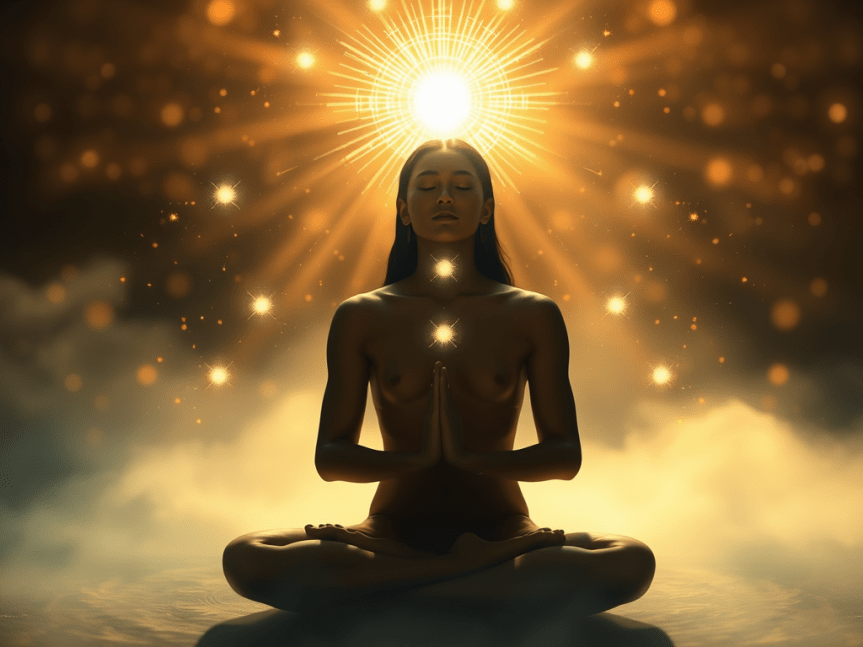
In many indigenous Filipino traditions, including Maranao, Bukidnon, and Tagalog Hilot Binabaylan, the physical body is not just flesh—it is a sacred vessel that houses multiple souls (gimokod) and the spirit (diwa). When the body is in pain, it may be a sign that:

  • A soul has wandered or been disturbed.
  • The spirit is calling for attention, prayer, or alignment.
  • There is disharmony between the physical and spiritual realms.

🔮 How a Strong Soul Heals the Body

1. Energetic Alignment

  • A strong soul radiates vital energy (UliRat) that nourishes the body.
  • When the soul is whole and present, the body receives clarity, strength, and resilience.

2. Spiritual Immunity

  • Just as the body has an immune system, the soul has spiritual defenses.
  • Prayer strengthens the soul’s ability to repel negative energies, heal emotional wounds, and restore balance.

3. Ancestral Support

  • A strong soul is connected to ancestors and Tonong.
  • Their guidance and protection flow through the soul into the body, especially during rituals and healing.

4. Purpose and Will

  • Pain may weaken the body, but a strong soul reminds the person of their purpose.
  • This inner will can activate healing, even when physical remedies are limited.

🕯️ Your Insight: Strengthen the Spirit Through Prayer

This is a sacred truth. Prayer is not just communication—it is spiritual nourishment. It:

  • Calls back wandering souls
  • Re-aligns the body with divine rhythm
  • Invokes healing forces from the heavens, earth, and underworld

🕯️ Panalangin ng Kaluluwa para sa Paghilom ng Katawan

(Prayer of the Soul for Healing the Body)

Sa ngalan ng Apo sa Langit, Diwata ng Liwanag at Buhay,
Tinatawag ko ang pitong kaluluwa na nananahan sa aking katawan.
UliRat, Muwang, Malay, Alam, Bait, Alaala, at Diwa—magbuklod kayo.
Magsama-sama sa liwanag ng panalangin, upang pagalingin ang tahanan ninyo.

Kung ang katawan ay nasasaktan, ito’y panawagan ng kaluluwa.
Kung ang diwa ay humihina, ito’y paalala ng pangangailangan ng dasal.
Nawa’y bumalik ang lakas ng loob, ang kapayapaan ng isip, at ang sigla ng damdamin.
Nawa’y dumaloy ang kapangyarihan ng langit sa bawat ugat, laman, at hininga.

Apo sa Lanao, bantay ng damdamin, Diwata sa Lupa, tagapaghilom ng katawan,
Tonong ng mga ninuno, tagapagturo ng karunungan—dinggin ninyo ang panawagan.
Sa bawat patak ng luha, sa bawat bulong ng panalangin,
Nawa’y bumalik ang kalusugan, at ang katawan ay muling sumigla.

Ito ang panalangin ng Binabaylan, anak ng lupa at langit,
Nagpapakumbaba sa harap ng Diwata, at nagtitiwala sa kapangyarihan ng kaluluwa.
Pagbawi. Paghilom. Pagbalik.


🕯️ Prayer of the Soul for Healing the Body

In the name of Apo sa Langit, God of Light and Life,
I call upon the seven souls that dwell within my body.
UliRat, Muwang, Malay, Alam, Bait, Alaala, and Diwa—unite yourselves.
Come together in the light of prayer, to heal your sacred dwelling.

If the body is in pain, it is the soul that calls out.
If the spirit grows weak, it is a reminder of the need for prayer.
May courage return, may peace of mind be restored, and may the heart be renewed.
May the power of heaven flow through every vein, flesh, and breath.

Apo sa Lanao, guardian of emotions, Diwata of the Earth, healer of body and nature,
Tonong of the ancestors, teacher of wisdom—hear this call.
In every tear that falls, in every whisper of prayer,
May health return, and the body be revived.

This is the prayer of the Binabaylan, child of earth and sky,
Humbly standing before the Diwata, trusting in the power of the soul.
Restoration. Healing. Return.


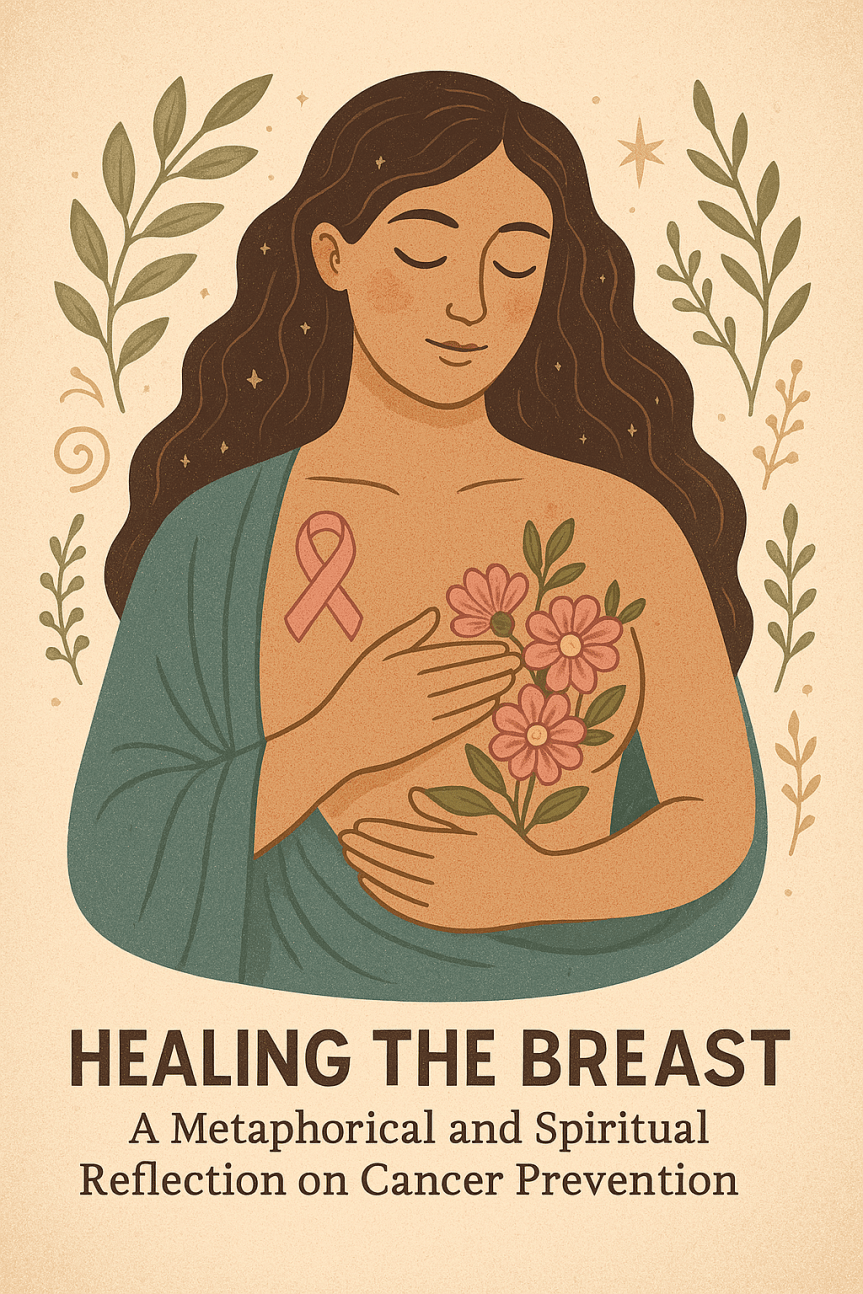
Healing the Breast: A Metaphorical and Spiritual Reflection on Cancer Prevention

In the sacred traditions of Hilot Binabaylan and other indigenous healing practices, the body is not merely a biological structure—it is a vessel of spirit, emotion, and ancestral memory. Among its many parts, the breast holds a special place as a source of nourishment, love, and life.

Just as a cell can be likened to a room in a house, the breast can be seen as a pantry or kitchen—a place where nourishment is prepared and offered. When this room is clean, organized, and filled with love, it supports the health of the entire house. But when it is filled with spoiled food, clutter, or emotional toxins, it can become a source of disease.

Breast cancer, in this metaphor, is not just a physical illness. It is a reflection of emotional and spiritual imbalance. Sama ng loob—resentment, grief, hatred—when stored in the chest, can energetically spoil the sacred vessel of the breast. The nurturing space becomes a container of pain, and this emotional toxicity may feed the energy of cancer.

In Hilot Binabaylan, healing is holistic. It involves not only physical cleansing but also emotional release and spiritual restoration. Through rituals, prayers, and acts of humility, one can clear the breast of hatred and refill it with love.

Spiritual Insight:
“Kung ang dibdib ay sisidlan ng pag-ibig, huwag hayaang mapuno ito ng galit. Dahil ang galit ay lason sa gatas ng buhay.”

“If the chest is a vessel of love, do not let it be filled with anger. For anger is poison to the milk of life.”

Call to Action: Preventing Cancer Holistically

  1. Release Emotional Burdens – Practice forgiveness, humility, and open-heartedness. Let go of sama ng loob.
  2. Nurture Your Body – Eat nourishing food, exercise, and rest. Treat your body as a sacred home.
  3. Connect Spiritually – Engage in rituals, meditation, and prayer to restore balance.
  4. Seek Early Detection – Regular check-ups and self-examinations can save lives.
  5. Educate and Empower Others – Share this wisdom with your community. Healing is collective.

Let us reclaim the breast as a vessel of love, not pain. Let us clean the rooms of our body and spirit, so that life may flow freely and abundantly.

Hilot: A Sacred Expression of Love Rooted in Filipino Family Life

Hilot is one of the oldest and most enduring healing traditions of the Philippines. More than a therapeutic technique, Hilot is a cultural expression of love, care, and spiritual connection—woven into the daily lives of Filipinos from childhood to adulthood.

Historical Roots of Hilot

Hilot dates back to precolonial times, practiced by Babaylan and Albularyo—the traditional healers and spiritual leaders of Indigenous Filipino communities. These practitioners were deeply attuned to the rhythms of nature, the elements, and the human body. Hilot was not only used to treat physical ailments but also to restore energetic balance, spiritual harmony, and social well-being.

In early Filipino societies, healing was holistic. Illness was seen as a disruption in the harmony between the body, spirit, and environment. Hilot addressed this through touch, herbal remedies, rituals, and prayers, often invoking the guidance of Anito (ancestral spirits) and Diwata (divine beings).

Despite colonization and modernization, Hilot survived—passed down through generations, especially within families. It evolved from sacred ritual into everyday practice, yet retained its essence as a sacred act of care.


Hilot in the Filipino Home: A Language of Love

In Filipino households, Hilot is a natural gesture of affection and concern. It is not always formal or ritualistic—it is instinctive, intimate, and deeply relational.

  • A tired parent may ask their child to massage their head, back, or feet. The child responds with gentle touch, offering not just relief but devotion.
  • When a child is sick, the mother performs Hilot—rubbing the back, applying warm oil, whispering prayers. Her hands become instruments of healing, guided by love and intuition.
  • Hilot can also be the offering of coffee or tea, sitting beside someone in silence, listening to their stories, and allowing emotional release.
  • Sometimes, it is the sharing of food, prepared with care, that shifts the energy of a person who is weary or unwell.

In these acts, Hilot becomes a language of the heart—a way to say “I care for you. I am here.”


Hilot as Energy Work of Compassion

Whether through touch, presence, or nourishment, Hilot works on the energetic level. It restores balance not only in the body but in the soul. It is a form of pakikiramay (empathy), malasakit (compassion), and giliw (affection).

This everyday Hilot, practiced in homes, complements the formal Hilot Binabaylan tradition taught in spiritual schools like the Hilot Academy of Binabaylan. While the academy trains practitioners in elemental fusion, soul alignment, and Diwata invocation, the home-based Hilot remains the foundation—the first touch, the first care, the first healing.


Conclusion: Hilot as a Living Tradition of Love

Hilot is not just a healing art—it is a living tradition that reflects the Filipino soul. It is the heartbeat of family life, the embrace of generations, and the spiritual wisdom of our ancestors expressed through everyday acts of kindness.

As we continue to elevate Hilot through formal training and spiritual practice, let us never forget its roots: in the loving hands of a mother, the gentle massage of a child, the shared coffee between friends, and the quiet presence of someone who listens.

Hilot is love. Hilot is family. Hilot is Filipino.

Hilot: A Sacred Path to Wellness in Filipino Culture

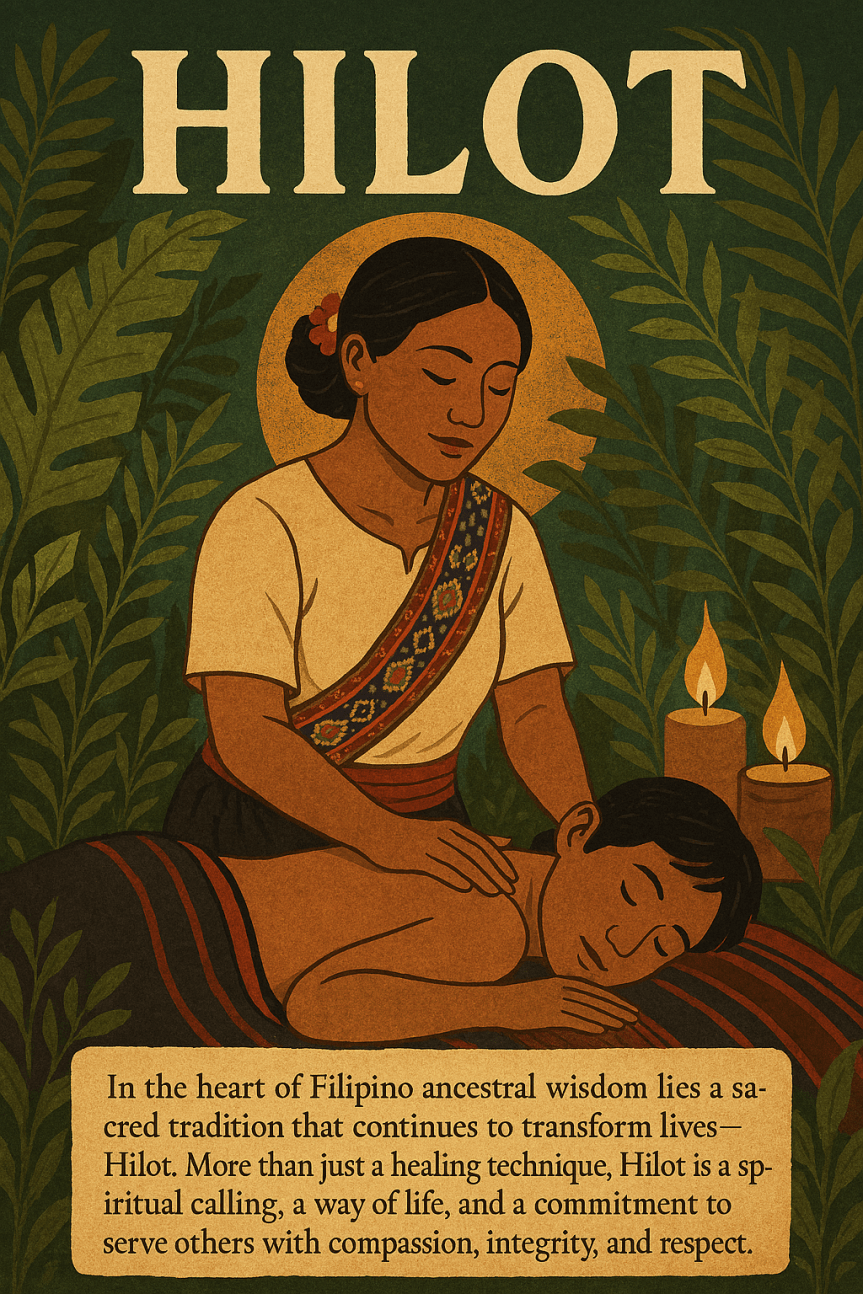
In the heart of Filipino ancestral wisdom lies a sacred tradition that continues to transform lives—Hilot. More than just a healing technique, Hilot is a spiritual calling, a way of life, and a commitment to serve others with compassion, integrity, and respect.

As the world seeks deeper, more holistic approaches to wellness, Hilot stands as a beacon of hope—reminding us that healing begins from within and is nurtured by the wisdom of our ancestors.

Why Hilot Matters Today

Modern healthcare often focuses on symptoms, but Hilot looks deeper. It recognizes that illness can stem from emotional, spiritual, and environmental imbalances. Through intuitive diagnostics like Tawas, sacred rituals, and personalized care, Hilot practitioners help individuals restore harmony in body, mind, and spirit.

But with this sacred power comes great responsibility. That’s why every Manghihilot must uphold the Hilot Code of Ethics and Healing Principles—a living covenant that guides our practice and protects those we serve.


🌿 The Hilot Code of Ethics: A Sacred Commitment

As a Manghihilot, you are not just a healer—you are a steward of life. The Code of Ethics ensures that your practice is rooted in:

  • Compassionate Care: Facilitating healing, not controlling it.
  • Respect for Individuality: Every soul is unique; every treatment is personalized.
  • Professional Integrity: Referring patients when conditions are beyond your scope.
  • Cultural Wisdom: Honoring ancestral knowledge while embracing modern insights.
  • Non-Discrimination: Serving all people regardless of background, identity, or status.

This code is not just a guideline—it is a spiritual vow to uphold the dignity and well-being of every person who seeks your help.


Healing Principles That Guide the Manghihilot

Hilot is more than technique—it is philosophy. As a practitioner, you will learn to:

  • Recognize that healing begins within.
  • Understand that illness may be spiritual, emotional, or physical—and often all three.
  • Use cleansing rituals to remove the source of illness and replace it with positive energy.
  • Respect the natural environment as a vital part of healing.
  • Accept death as a transition, not an enemy, and help others live meaningfully.

These principles empower you to become a healer who not only treats symptoms but transforms lives.


🎓 Why You Should Enroll in Hilot Training

Whether you are a healthcare professional, spiritual seeker, or someone looking for a meaningful path, Hilot offers a journey of healing, purpose, and connection.

By enrolling in our Hilot training program, you will:

✅ Learn authentic Hilot techniques from certified practitioners
✅ Receive spiritual and cultural education rooted in Filipino traditions
✅ Be part of a movement to preserve and elevate Indigenous healing arts
✅ Earn credentials that recognize your role as a traditional healthcare provider
✅ Transform your life—and the lives of those you serve


🌕 Enrollment for 2026 class is Now Open!

Join the Hilot Academy of Binabaylan and become a certified Manghihilot.
Let your hands be instruments of healing. Let your heart be a vessel of compassion.
Let your spirit carry the wisdom of our ancestors into the future.

📩 Message us today to reserve your spot.
🌿 Limited slots available. Begin your journey now.

Embracing Life and Death: A Manghihilot’s Perspective

In our Code of Ethics, we have mentioned that we are Healthcare providers whose goals consist of prevention of premature death and disability, maintenance or improvement of life, maximization of
personal growth and development, and preparation for a good death.

As a manghihilot, our role is not to promise a long life to our patients. Instead, we offer something deeper—we help them embrace life fully, with all its challenges and transitions. We guide them to find comfort, meaning, and joy in every moment, no matter how difficult.

We do not see death as an enemy to be fought. Rather, we recognize it as a gentle guide—one that reminds us to live with purpose, to cherish our relationships, and to find peace in the present. In our healing practice, death is not the end, but a companion that helps us appreciate the beauty of life.

“It has been taught to us as Manghihilot, our role in caring is from the time of conception to the moment of transition from this plane of existence to the next life.”

In our tradition as Manghihilot, healing is not just a profession—it is a sacred calling. We are taught that our responsibility begins at the very start of life, even before birth, and continues until the final breath. Our care spans the entire human journey, from conception to transition, from the womb to the world beyond.

More Than Healing the Body

Our work is not limited to treating physical ailments. We are called to listen deeply—to the body, the spirit, and the emotions. We understand that true healing involves the whole person, and that pain can come not only from the body, but also from the heart and mind.

Honoring Life and Death

As Manghihilot, we do not fear death. We do not see it as something to fight or avoid. Instead, we recognize it as a natural part of life’s sacred cycle. We walk with our patients through every stage of life, including the final one, offering comfort, peace, and dignity.

A Tradition That Evolves

Our practice is rooted in the wisdom of our ancestors, but it is not stuck in the past. We continue to learn, grow, and adapt—bringing Hilot into the modern world while staying true to its spiritual essence. We believe that healing is a lifelong journey, and our presence is a gift of love and service from beginning to end.

Recently, a graduate of the Hilot Academy asked me whether we have any documented cases involving palliative care or end-of-life care within the practice of Hilot. Regretfully, I had to respond that we do not. The graduate pointed out that other traditional healing modalities have such documentation, while Hilot appears to lack it.

This absence is not due to a lack of experience or wisdom among Manghihilot, but rather a reflection of how our tradition has been preserved. Most Manghihilot have not been formally educated in colleges or universities. Their knowledge is deeply rooted in oral tradition and lived experience. They act rather than write. Their learning is carried in the mind and heart, passed down through narration and demonstration, not through modules or modern training materials.

This way of transmission is sacred and powerful, but it also means that much of our healing work remains undocumented. As we move forward, perhaps it is time to begin bridging the gap—honoring our oral traditions while also finding ways to preserve them in written form, so that future generations may continue to learn, grow, and share the wisdom of Hilot.

“In the sacred silence between life and death, the Manghihilot does not surrender—he pleads, he prays, and he offers his soul in service, asking for one more chance to heal.”

For the sake of documentation, I want to share a personal experience on how I, as a Manghihilot, have cared for a dying patient.

First and foremost, it is never our intention for a patient to die under our care. If that were the case, why would we devote time, energy, and spirit to preserving life? Our role is rooted in the belief that life is sacred and worth fighting for—even in its most fragile moments.

When a patient is facing a serious illness, it may seem that death is near. But as Manghihilot, we do not simply accept this. Instead, we plead with death—asking it to grant the patient another chance to live. It is a spiritual negotiation, a bargaining of life with death.

And if death allows the patient to stay, a promise must be made and fulfilled. This promise is not just a ritual—it is a sacred commitment to honor the life that was spared. In this way, our healing practice becomes not only physical but deeply spiritual, rooted in reverence for both life and the mystery of death.

“In the quiet moments before farewell, the Manghihilot becomes not just a healer—but a guide, preparing the soul for its sacred journey home.”

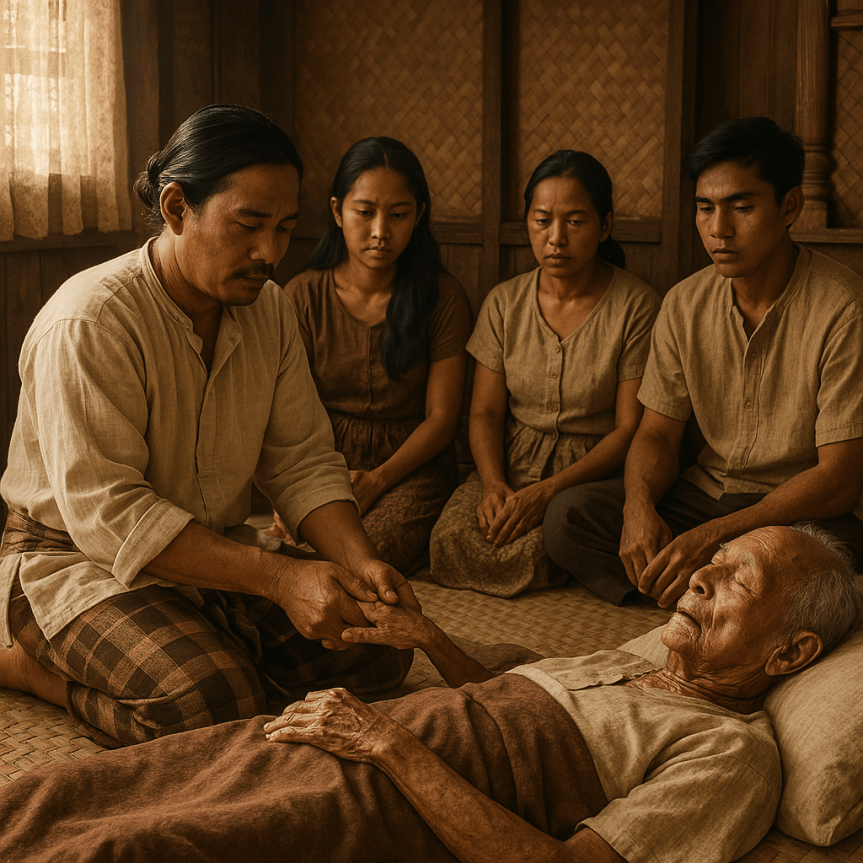
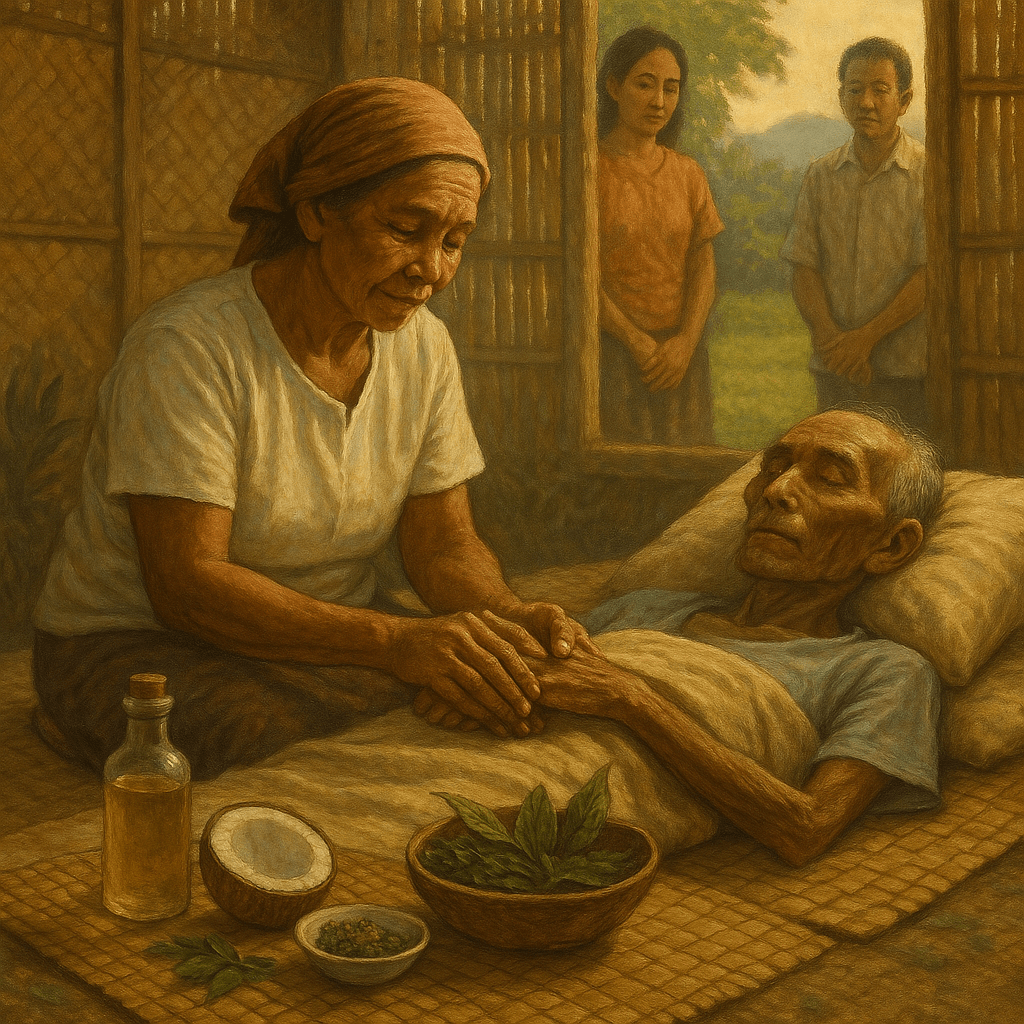
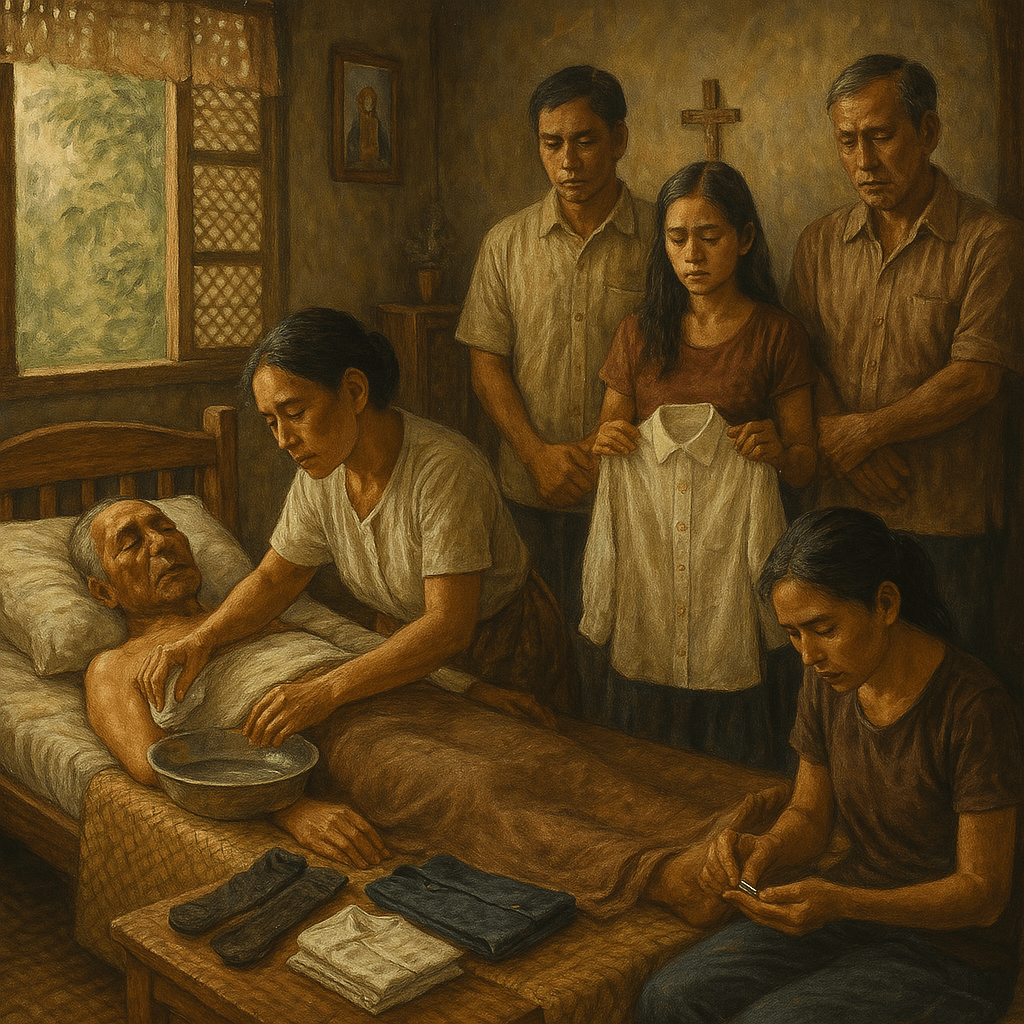
I remember my 80-year-old neighbor, Tata Piyo, who was undergoing dialysis for a kidney condition. His daughter, Ate Belen, came to me one day and asked for help in caring for her father. Despite his age and fragile condition, we chose to fight for life. As a Manghihilot, I did everything I could to ease his suffering—applying hilot pahid to relieve his pain, performing suob and paligo, and even designing a special diet to support his condition.

One day, Tata Piyo was in great pain. Ate Belen rushed to my house, asking me to attend to him. When I entered his bedroom, he looked at me and said in Tagalog, “Ihatid mo na ako.” I responded in a light-hearted way, “Where do you want me to send you? Don’t worry, when you regain your strength, we’ll go to Jollibee.” He laughed, gathering all his remaining strength, and replied, “Hindi, ihatid mo na ako sa ating Ama sa langit.”

I wasn’t prepared for those words. But I kept my composure and gently asked Ate Belen to call the rest of the family. I told them that Tata Piyo was asking to rest, and that the decision must come from them—not from me.

Together, we discussed whether to continue fighting for his life or to let him go peacefully. The family, acknowledging his age, his weakened body, and their readiness to accept his passing, decided to let him go. They remained composed, not wanting Tata Piyo to see them cry.

Everyone began preparing his clothes—underwear, socks, pants, t-shirt, and barong. I clipped his fingernails and toenails and gave him his last bed bath, ensuring he was clean and dignified for his journey.

At exactly 6:00 PM, Tata Piyo took his final breath.


This experience reminded me that as Manghihilot, our care extends beyond healing—it reaches into the sacred space between life and death. We do not just treat the body; we honor the soul. And in moments like these, we become witnesses to the most profound transitions of life.

Working with Hilot out of Love

Last May 18, 2025- we have shared to our Hilot Binabaylan Alignment Trainee the Hilot Treatment which everyone knows as Bentusa Fire Cupping. Everyone had the opportunity to place bentusa cup on their own skin by sharing different methods on how to apply it. What I emphasize how to make vacuum using fire.

  1. Coin and Paper Method

In this procedure, the manghihilot prepare an old coin and tissue paper. Then wrap the tissue paper along the old coin. The coin will serve as a stand and place it on the area you are to place the bentusa cup. then burn the paper and as it burn carefully place the bentusa cup in order to create vacuum to suck the skin.

2. Cotton and Ginger Method

In this procedure, you will need to slice a ginger which is wide enough to fit the mouth of our bentusa cup. Then soak a piece of cotton to 70% ethyl alcohol (which I prefer to recommend rather than Isopropyl alcohol). Then place the ginger slice on the area where you are going to place the bentusa cup and the soaked cotton. After that light it on fire and gently place the bentusa cup on the area to be treated.

DISADVANTAGE OF PAPER AND GINGER METHOD

Aside from safety concerns, the burnt paper or cotton placed over the area will produce smoke. That will be trapped inside the bentusa cup when it already created a vacuum or reverse pressure. It is said that burning tissue paper releases several chemicals including carbon dioxide and carbon monoxide which both contribute to air pollution. additionally, burning paper can produce dioxins, which are highly toxic and can have harmful effects on human health and the environment.

While burning soaked cotton on 70% Ethyl Alcohol have a health hazards such as:

  1. Respiratory Issues – Inhaling the fumes can cause irritation to the lungs, leading to coughing, shortness of breath, or dizziness. Prolonged exposure may contribute to respiratory damage.
  2. Skin and Eye Irritation – Ethyl alcohol and its combustion byproducts can cause skin irritation or eye discomfort, especially if direct contact occurs.
  3. Toxic Exposure – Incomplete combustion can release carbon monoxide (CO), which is highly toxic and can lead to headaches, nausea, or even unconsciousness in high concentrations.
  4. Carcinogenic Risk – Burning organic materials may produce aldehydes and volatile organic compounds (VOCs), some of which have been linked to long-term health risks
  5. Neurological Effects – Exposure to high concentrations of ethanol vapors can cause dizziness, confusion, or impaired coordination

Health Hazards of Burning Tissue Paper.

Burning tissue paper can pose several health hazards, including:

  1. Respiratory Issues – The smoke contains fine particles and harmful gases that can irritate the lungs, leading to coughing, shortness of breath, and asthma.
  2. Carbon Monoxide Poisoning – Incomplete combustion releases carbon monoxide (CO), which can cause dizziness, headaches, and even unconsciousness in high concentrations.
  3. Toxic Chemical Exposure – Burning paper can release dioxins, sulfur dioxide, and volatile organic compounds (VOCs), which may contribute to long-term health risks.
  4. Skin and Eye Irritation – The smoke and ash can cause eye discomfort and skin irritation, especially in enclosed spaces.
  5. Carcinogenic Risk – Some chemicals released during burning, such as polycyclic aromatic hydrocarbons (PAHs), have been linked to cancer.

There are other methods which Manghihilot employ in order to place the Bentusa Cups over the body but the one that Hilot Academy recommend is the Torch Method. In this method you will need a forceps, cotton, 70 % Ethyl Alcohol, Kidney Basin, Lighter or lighted candle. Before you place the bentusa cup over the body, be sure to lubricate it with Lana healing oil. Then soak the cotton with 70 % Ethyl Alcohol clipped with a forceps then put it in fire then place it inside the bentusa cup which is positioned near the area to be treated and manually place the cup over the area to be treated.

Since the torch method also involve burning of cotton which has biochemical health hazards, let us explore other form of bentusa cupping.

Though using Plastic Bentusa cups does not burning paper or cotton, it still has health hazard because of the plastic meterials being used. So, here are its health hazards:

  1. Chemical Leaching – Some plastics contain Bisphenol A (BPA) and phthalates, which can leach into the skin when exposed to heat, potentially disrupting hormones.
  2. Microplastic Exposure – Over time, plastic cups may release microplastics, which can be absorbed by the body and may contribute to inflammation and toxicity.
  3. Skin Irritation – Certain plastics may cause skin reactions, especially if they contain chemical additives that interact with heat or oils.
  4. Reduced Effectiveness – Plastic cups may not create a strong vacuum compared to glass or silicone, leading to less effective therapy.
  5. Environmental Impact – Disposable plastic cups contribute to plastic waste, which can harm ecosystems and increase exposure to pollutants.

So, if all of these have health hazards, what other material we can recommend using?

But before we go further, bentusa has primary purpose of stimulating blood flow, relieving muscle tension and promote healing. Other health benefits of having bentusa are the following:

  1. Muscle Pain Relief – Helps alleviate chronic muscle pain, stiffness, and tension.
  2. Improved Blood Circulation – Enhances oxygen and nutrient delivery to muscles, speeding up recovery.
  3. Detoxification – Draws toxins to the skin’s surface, aiding in their removal through the lymphatic system.
  4. Relaxation & Stress Relief – The gentle suction and warmth reduce stress and promote relaxation.
  5. espiratory Benefits – Can help with asthma, colds, and respiratory infections by loosening tight muscles around the chest.
  6. Skin Health – May improve skin conditions like acne and eczema by increasing circulation.
  7. Headache & Migraine Relief – Helps relieve tension headaches and migraines.
  8. Holistic Healing – Addresses emotional and energetic imbalances, promoting overall well-being

Thats how powerful bentusa can be specially paired with Hilot Pahid or Massage.

In the video above, we have seen that the material being used for cupping is Carabao horn. This kind of cupping treatment is known as Tandok,though it seems similar to Bentusa, it has different purpose which is to remove venom, rabies and tetanus from wound using animal horn, such as those from deer, goat or carabao.

It is said that Tandok has the following health benefits for the receiver of the treatment:

  1. Detoxification – Practitioners believe it helps remove toxins from the body.
  2. Pain Relief – Some claim it alleviates muscle pain, arthritis, and joint stiffness.
  3. Improved Circulation – The suction effect may stimulate blood flow Removing blood may stimulate the production of new red blood cells, potentially improving circulation
  4. Traditional Healing – Used in rural areas where modern medicine is less accessible.
  5. Iron Regulation – Bloodletting can help reduce excess iron levels in the blood, which may be beneficial for individuals with hemochromatosis.
  6. Lower Blood Pressure – Some studies suggest that donating blood regularly may help maintain healthy blood pressure levels.
  7. Detoxification – Traditional practitioners believe bloodletting helps remove toxins from the body.
  8. Migraine Relief – Some historical accounts suggest bloodletting was used to alleviate headaches and migraines.

TAWAK

We could say that Tawak is the mother of all these treatment method that requires suction. This treatment involve direct suction by the mouth of a traditional medicine practitioner known as mananawak, to remove venoms, toxins or infections from wounds caused by animal bites. But these technique or treatment method also has been used by poor people who has no money to send their children to proper medical care facility to remove mucus from their infant child by directly sucking the mucus that obstruct the passage of air to provide relief.

Uses and Beliefs

  • Practitioners believe Tawak can help extract poison from snake bites, rabies from dog bites, and toxins from wounds.
  • It is often used as an alternative to modern medical treatments, especially in areas where access to hospitals and vaccines is limited.
  • Some communities still rely on Tawak due to cultural beliefs and the high cost of medical care

Concerns and Risks

  • Medical experts warn that Tawak is not scientifically proven to cure rabies or venomous bites.
  • Direct suction can expose both the healer and the patient to infections and diseases.
  • Delaying proper medical treatment can lead to serious health risks, including untreated rabies, which is fatal