As the rainy season and colder months arrive, communities across the Philippines experience a rise in Influenza-like Illness (ILI)—a condition marked by fever, cough, sore throat, body aches, and fatigue. Though not always caused by the influenza virus, ILI can be triggered by various respiratory infections, including COVID-19, RSV, and adenoviruses.
While modern medicine offers vaccines and antiviral treatments, Filipino Indigenous Healing—particularly Hilot Binabaylan—offers a holistic and culturally rooted approach to preventing illness and strengthening immunity.
🦠 What is Influenza-Like Illness?
ILI is a clinical diagnosis based on symptoms that resemble the flu. It spreads through:
Airborne droplets from coughing or sneezing
Touching contaminated surfaces
Close contact with infected individuals
ILI is not a single disease but a syndrome, and its prevention requires both physical and energetic care.
🌺 How Hilot Binabaylan Helps
Hilot Binabaylan is more than just massage—it is a sacred healing art that integrates:
Energetic balancing
Herbal medicine
Spiritual rituals
Community wellness education
Here’s how it supports immunity and prevents ILI:
1. Energetic Realignment
Hilot techniques like Panghihilot and Pagpapainit release stagnant energies and restore elemental harmony (Lupa, Hangin, Apoy, Tubig), which strengthens the body’s natural defenses.
2. Herbal and Natural Remedies
Binabaylan practitioners use indigenous herbs such as:
Lagundi for cough and fever
Tanglad and Luya for respiratory relief
Sambong for detoxification
These are prepared as teas, oils, or poultices to support healing and immunity.
3. Spiritual Protection and Cleansing
Rituals invoking Diwata and Anito help cleanse spiritual imbalances that may manifest as physical illness. Seasonal rites during Full Moon, Ghost Month, and Undas align the community with nature’s healing cycles.
4. Community Education and Advocacy
Hilot Binabaylan promotes preventive care through teachings on hygiene, nutrition, emotional wellness, and ancestral wisdom. The creation of Dambana ng Ginhawa serves as a communal healing space for rest and renewal.
5. Touch Therapy and Soul Activation
Through sacred touch, Hilot awakens the UliRat (life force) and Malay (recognition soul), activating the body’s inner healing intelligence and reducing stress—a key factor in immune suppression.
🌞 A Call to Action
As caretakers of both body and spirit, Binabaylan healers are called to lead the community in resilience and renewal. By integrating ancestral knowledge with modern awareness, Hilot Binabaylan becomes a powerful ally in the fight against seasonal illness.
Let us walk the path of healing together guided by the spirits, grounded in the earth, and united in the rhythm of life.
The Philippine Institute of Traditional and Alternative Health Care (PITAHC) plays a vital role in regulating and promoting traditional Filipino healing practices, including Hilot. For organizations and practitioners involved in Hilot, understanding the accreditation and certification process is essential for legal recognition, professional credibility, and ethical practice.
✅ Benefits of PITAHC Accreditation
1. Legal Authority to Operate
Accredited Hilot organizations are officially recognized by the Department of Health through PITAHC, granting them the legal right to conduct training and healing services.
2. Certification of Practitioners
Organizations can issue:
Certificates of Registration to formally trained Hilot practitioners.
Certificates of Recognition to community-recognized Manghihilot with at least 10 years of practice.
3. Accredited Training and Healing Centers
Accredited institutions may operate:
Hilot Training Centers for formal education.
Hilot Healing Centers in homes, clinics, spas, resorts, and hospitals.
4. Participation in National Health System
Accredited organizations help integrate Hilot into the national healthcare delivery system.
5. Representation and Advocacy
Organizations may nominate representatives to the National Certification Committee for Hilot (NCCH), influencing policy and ethical standards.
6. Protection Against Unregulated Practices
Only PITAHC-accredited entities are authorized to train and certify Hilot practitioners, ensuring safety and credibility.
🧪 Competency Assessment by NCCH
For Formally Trained Practitioners
Completion of training from a PITAHC-accredited center.
Submission of a portfolio with at least 100 patient cases.
Passing a competency assessment that includes practical demonstrations and ethical evaluations.
For Community-Recognized Manghihilot
Minimum of 10 years of practice.
Endorsement by community leaders.
Sponsorship by a PITAHC-recognized organization.
Submission of a portfolio and testimonials.
Committee Composition
The NCCH includes:
Manghihilot and Hilot practitioners.
Medical doctors practicing Hilot.
Trainers from accredited centers.
PITAHC officials.
💰 Fee Guidelines
The official fee for the competency assessment is ₱500.00. This is a one-time application fee mandated by PITAHC Circular No. 01, Series of 2016.
⚠️ Reporting Overcharging Violations
If an organization charges more than ₱500 for the assessment alone:
Request a Fee Breakdown to verify additional charges.
Report to PITAHC with documentation (receipts, advisories).
Contact NCCH for clarification and investigation.
Overcharging may lead to administrative sanctions and, if fraudulent, could result in criminal liability.
📞 Contact Information
To reach the National Certification Committee for Hilot:
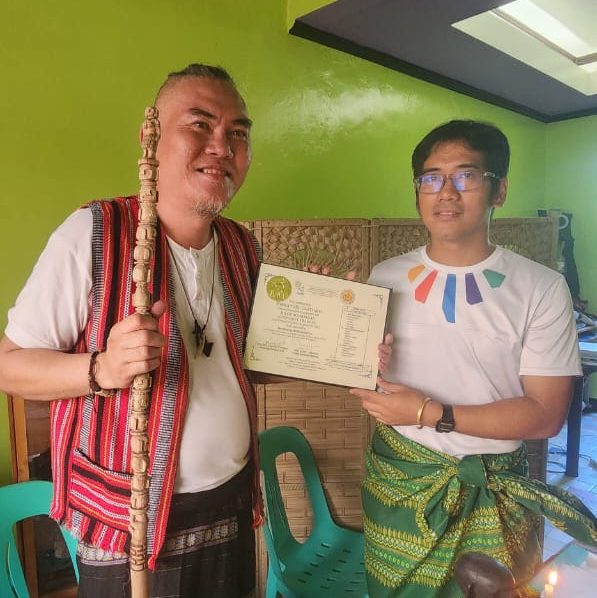
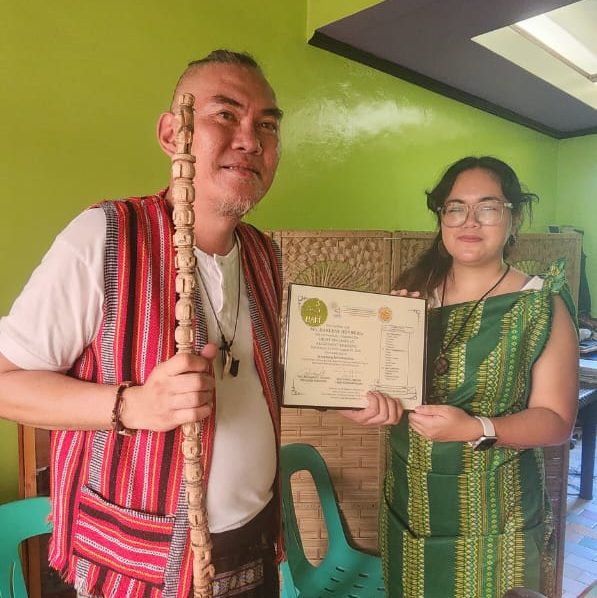
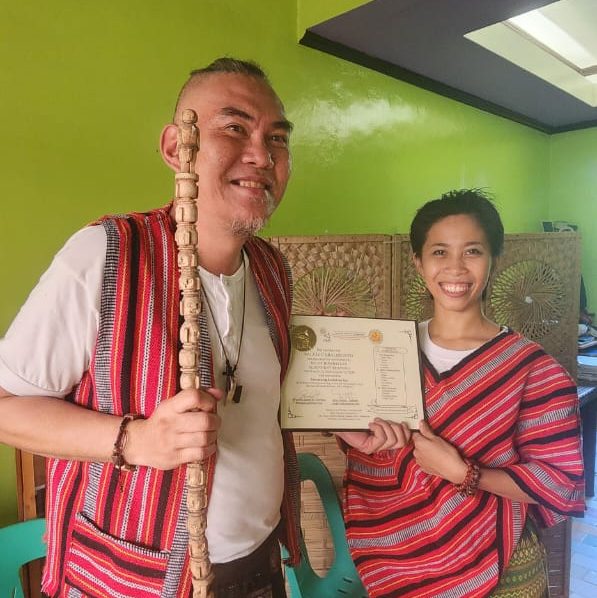
A call for alignment training program on becoming a Hilot Binabaylan has completed from March 23, 2025 to August 10, 2025. It’s 13 lessons for more than 13 Sundays that we have spent in order to form the necessary competency that an individual must have in order to become a Hilot Binabaylan. From our forms record there are 10 people who signed up but in actual formation only 6 people have complied.
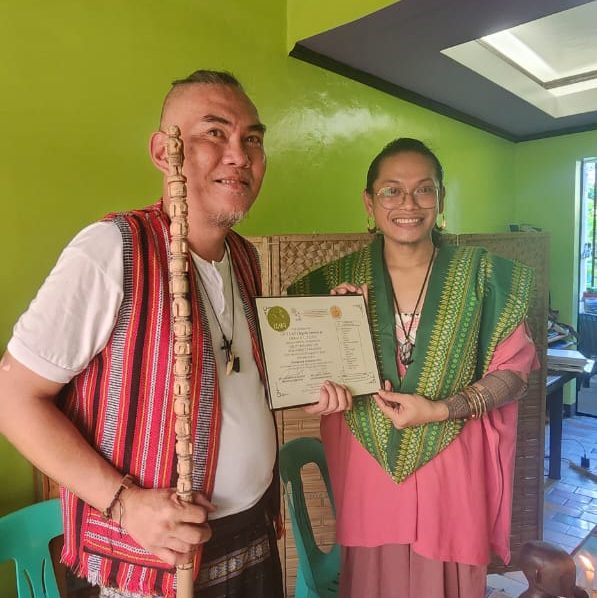
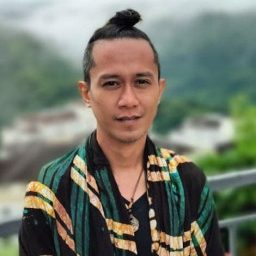
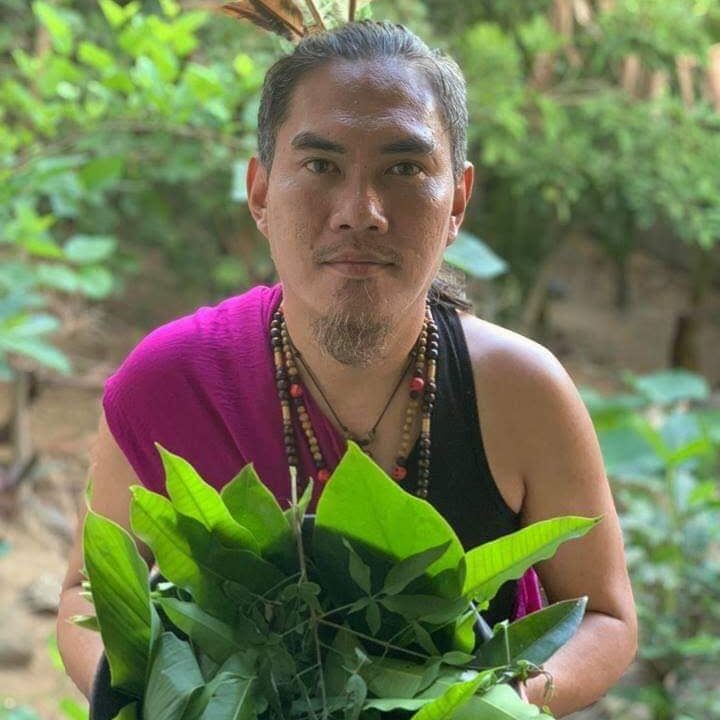
Dante Nolido, Ge Ygay, Sasa Cabalquinto, Darlene Honrubia, Emman Castillo and Jerson Casol
These individuals coming from North NCR to South NCR who sacrificed their Sunday afternoon just to come to our Temple in order to received the Wisdom of Hilot Binabaylan. And through their hardwork and dedication in relearning the skills, they have successfully achieved the status on becoming a M.Min.Hbp or Master’s in Ministry on Hilot Binabaylan Practice.
And through their ordination we have established the Hilot Binabaylan Network which is a community of graduates and practitioners dedicated to the continued growth, support, and collaboration within the sacred practice of Hilot Binabaylan. This network serves as a platform for members to:
Share experiences and insights from their healing practices, fostering collective wisdom and deeper understanding.
Connect and collaborate with fellow practitioners across regions, enabling referrals and support for cases that require local or specialized attention.
Provide mutual support through dialogue, case discussions, and spiritual companionship, strengthening the bond among healers and enhancing their capacity to serve.
Uphold and promote the values of Hilot Binabaylan, ensuring the integrity and authenticity of the practice in every community it touches.
Through this network, we honor the ancestral wisdom of Hilot Binabaylan and empower each practitioner to walk their healing path with confidence, connection, and compassion. Our Goal in establishing Hilot Binabaylan Network is to:
Foster Community and Connection
Create a strong network of Hilot Binabaylan practitioners across regions.
Encourage regular communication and collaboration among members.
Facilitate Knowledge Sharing
Provide a platform for practitioners to share case studies, healing experiences, and traditional wisdom.
Organize forums, webinars, and discussion groups to deepen understanding of Hilot Binabaylan practices.
Support Professional Development
Offer continuing education opportunities, mentorship, and skill enhancement programs.
Recognize and celebrate achievements and contributions of members.
Enable Regional Referrals and Collaboration
Maintain a directory of practitioners to facilitate referrals and support in nearby areas.
Encourage cooperative healing efforts for complex or unique cases.
Provide Emotional and Spiritual Support
Serve as a support group for practitioners, offering a safe space for reflection, encouragement, and healing.
Promote wellness and balance among members through shared rituals and practices.
Preserve and Promote Indigenous Healing Traditions
Advocate for the recognition and respect of Hilot Binabaylan as a vital cultural and spiritual heritage.
Engage in outreach and education to raise awareness about the practice in broader communities.
Ensure Ethical and Authentic Practice
Uphold standards of integrity, respect, and responsibility in all healing work.
Encourage accountability and ethical conduct among members.
Guiding Principle of the Hilot Binabaylan Network
“Healing in Harmony with Nature, Spirit, and Community.”
This principle embodies the sacred foundation of Hilot Binabaylan practice, which is rooted in:
Ancestral Wisdom – Honoring the teachings and traditions passed down through generations of healers.
Spiritual Integrity – Practicing with reverence, humility, and alignment with the spiritual forces that guide healing.
Compassionate Service – Offering healing with love, empathy, and respect for the dignity of every person.
Community Collaboration – Supporting one another through shared knowledge, mutual aid, and collective growth.
Holistic Balance – Promoting harmony between body, mind, spirit, and environment in every healing encounter.
The Officers of Hilot Binabaylan Network
Emmanuel Castillo President
Darla Honrubia– Vice President for Internal Affairs
Sasa Cabalquinto-Vice President for External Affairs
Ge Ygay– Secretary
Dante Nolido– Treasurer
Jerson Casol Jr.- Auditor
Hilot Binabaylan Network – Officers and Their Roles
President – Emman Castillo
Job Description: The President serves as the chief executive officer of the network, providing overall leadership, direction, and representation.
Duties and Responsibilities:
Lead and oversee all activities and initiatives of the network.
Represent the network in official functions, partnerships, and public engagements.
Convene and preside over meetings of officers and members.
Ensure alignment of programs with the network’s purpose and guiding principles.
Provide strategic vision and decision-making for the growth of the organization.
Vice President for Internal Affairs – Darla Honrubia
Vice President for External Affairs – Sasa Cabalquinto
Job Description: The Vice Presidents support the President in managing the network’s operations, with Darla focusing on internal coordination and Sasa on external relations.
Duties and Responsibilities:
VP for Internal Affairs – Darla Honrubia
Coordinate internal programs, member engagement, and organizational development.
Facilitate communication among members and officers.
Organize internal events, trainings, and support activities.
Assist in resolving internal concerns and maintaining harmony within the network.
VP for External Affairs – Sasa Cabalquinto
Build relationships with external partners, communities, and institutions.
Promote the network’s visibility and advocacy efforts.
Represent the network in outreach activities and collaborations.
Seek opportunities for partnerships and resource mobilization.
Secretary – Ge Ygay
Job Description: The Secretary manages documentation, communication, and record-keeping for the network.
Duties and Responsibilities:
Prepare and maintain minutes of meetings, reports, and official documents.
Handle correspondence and announcements to members.
Maintain an updated directory of members and officers.
Assist in organizing meetings and ensuring proper documentation.
Treasurer – Dante Nolido
Job Description: The Treasurer oversees the financial affairs of the network, ensuring transparency and accountability.
Duties and Responsibilities:
Manage the network’s funds, budget, and financial records.
Prepare financial reports and statements for meetings.
Ensure proper collection and disbursement of funds.
Coordinate fundraising activities and financial planning.
Auditor – Jerson Casol Jr.
Job Description: The Auditor ensures the integrity of the network’s financial operations through regular review and evaluation.
Duties and Responsibilities:
Conduct audits of financial records and transactions.
Provide independent assessment of financial practices.
Recommend improvements for financial transparency and efficiency.
Submit audit reports to the officers and members.
and through their election, we have also official declare the creation of Hilot Binabaylan Council which serves as the spiritual and strategic advisory body of the Hilot Binabaylan Network. It is composed of esteemed elders and leaders who guide the organization in preserving the sacred traditions of Hilot Binabaylan, ensuring its ethical practice, and fostering unity among practitioners both locally and globally.
The Council provides wisdom, oversight, and direction in matters of cultural integrity, community engagement, and international relations, upholding the values and guiding principles of the network.
Rev. Alvin L. Sentin D.D.Min. IFS IFM-co founder/ Adviser on Local Community Affairs Relations
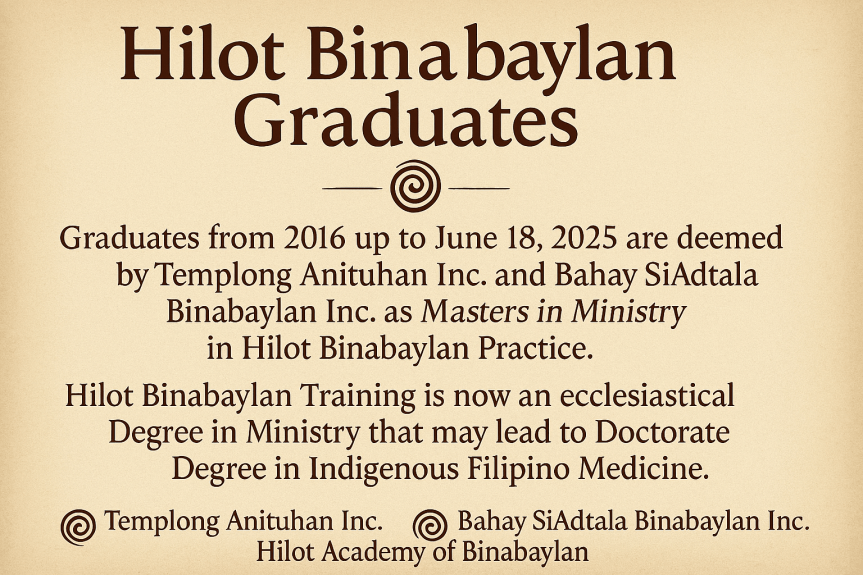
This 8th day of August 2025- We joyfully proclaim that all graduates of the Hilot Binabaylan Training Program from 2016 up to June 18, 2025 are hereby recognized and conferred the title of Master of Ministry in Hilot Binabaylan Practice.
As a mark of this sacred recognition, graduates may now use the honorific suffix “M.Min.HBp”, signifying their credential as Master of Ministry in Hilot Binabaylan Practice.
This recognition is a testament to their dedication, spiritual growth, and mastery of Indigenous Filipino Healing Wisdom as taught through the sacred traditions of Luntiang Aghama and the ministerial guidance of Templong Anituhan.
Furthermore, we are honored to announce that the Hilot Binabaylan Training Program is now officially elevated to an Ecclesiastical Degree in Ministry, forming a foundational path that may lead to the Doctorate Degree in Indigenous Filipino Medicine.
This milestone affirms our commitment to preserving, honoring, and advancing the sacred healing arts of our ancestors, and to empowering future generations of Binabaylan Ministers to serve with wisdom, compassion, and divine purpose.
May this recognition inspire deeper service, healing, and spiritual leadership in our communities.
In the Spirit the Diwata, Engkanto Anito together with our Holy Ancestors, we celebrate this sacred elevation.
🌀 Templong Anituhan Inc. 🌀 Bahay SiAdtala Binabaylan Inc. 🌀 Hilot Academy of Binabaylan
🌀 Joint Ecclesiastical Resolution No. 08-08-2025
Templong Anituhan Inc. & Bahay SiAdtala Binabaylan Inc.
Subject:Recognition of Hilot Binabaylan Graduates (2016–2025) as Masters in Ministry and Elevation of Training Program to Ecclesiastical Degree Status
WHEREAS, the sacred teachings and practices of Hilot Binabaylan have been faithfully transmitted through the ministerial efforts of Bahay SiAdtala Binabaylan Inc. under the spiritual guidance of Templong Anituhan Inc.;
WHEREAS, the graduates of the Hilot Binabaylan Training Program from the year 2016 up to June 18, 2025 have demonstrated mastery in Indigenous Filipino Healing Wisdom and Spiritual Ministry;
WHEREAS, it is the divine will of the Diwata and the ancestral spirits that those who walk the path of healing and service be duly recognized and empowered;
NOW THEREFORE, be it resolved jointly by Templong Anituhan Inc. and Bahay SiAdtala Binabaylan Inc., that:
All graduates of the Hilot Binabaylan Training Program from 2016 to June 18, 2025 are hereby recognized and conferred the ecclesiastical title of Master of Ministry in Hilot Binabaylan Practice.
Said graduates may now officially use the suffix “M.Min.HBp” to signify their credential and spiritual authority in the practice of Hilot Binabaylan Ministry.
Effective January 2026, all individuals seeking enrollment in the Hilot Binabaylan Training Program must submit verifiable credentials proving:
A healthcare-related educational background, and/or
Completion of the Ecclesiastical Bachelor’s Degree in Aghamic Divinity and Ministry.
This resolution affirms the elevation of the Hilot Binabaylan Training Program to an Ecclesiastical Degree in Ministry, forming a pathway toward the Doctorate Degree in Indigenous Filipino Medicine.
RESOLVED FURTHER, that this resolution be made known to all affiliated ministers, clergy, and educational institutions under the spiritual jurisdiction of Templong Anituhan Inc. and Bahay SiAdtala Binabaylan Inc.
Signed this 8th day of August, 2025 In the Spirit of the Diwata, Engkanto and Anito
Signed:
Rev. Alvin L. Sentin D.D.Min IFS IFM aka Lakay Magbaya
Director on Local Community Affairs Relations
Rev. Rolando G. Comon D.D.Min. IFS IFM aka APU ADMAN
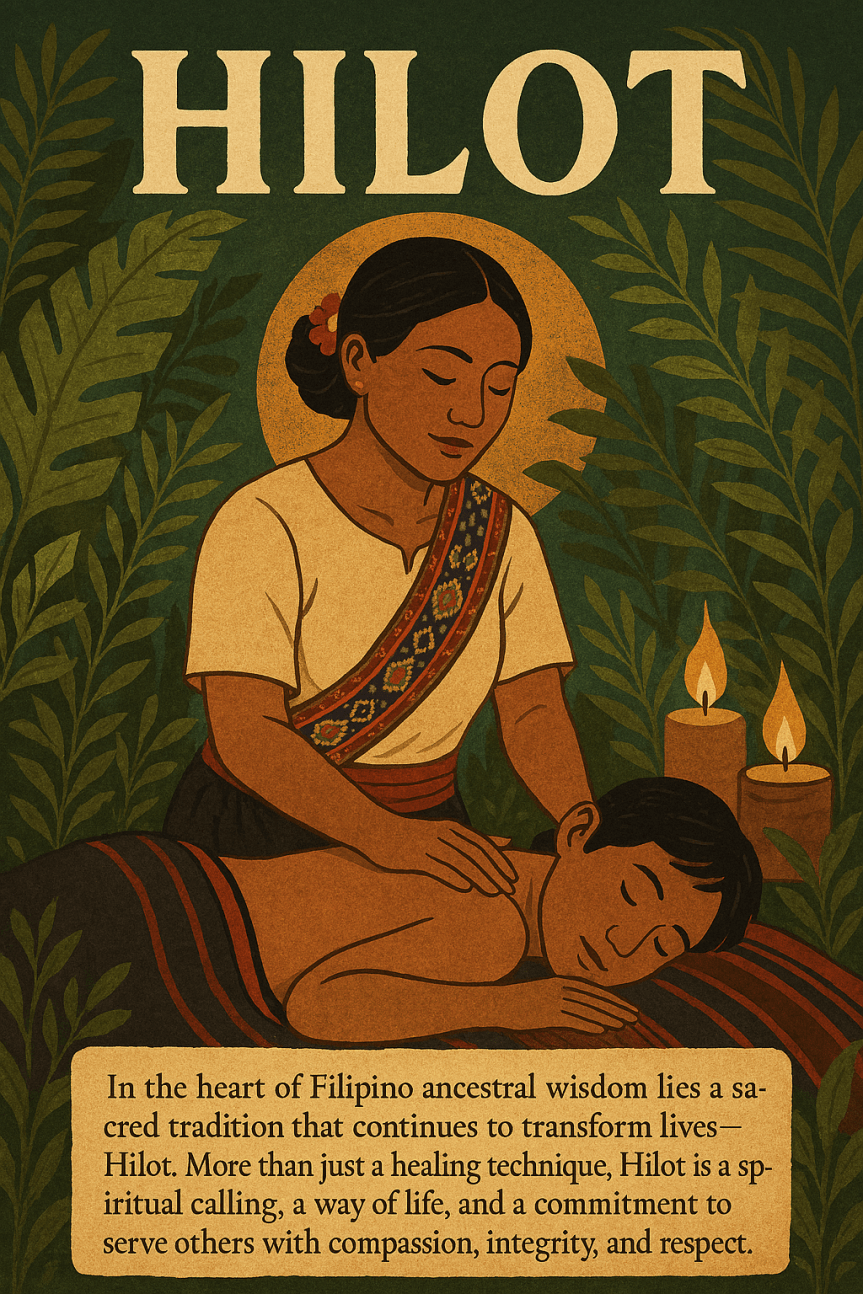
In the heart of Filipino ancestral wisdom lies a sacred tradition that continues to transform lives—Hilot. More than just a healing technique, Hilot is a spiritual calling, a way of life, and a commitment to serve others with compassion, integrity, and respect.
As the world seeks deeper, more holistic approaches to wellness, Hilot stands as a beacon of hope—reminding us that healing begins from within and is nurtured by the wisdom of our ancestors.
Why Hilot Matters Today
Modern healthcare often focuses on symptoms, but Hilot looks deeper. It recognizes that illness can stem from emotional, spiritual, and environmental imbalances. Through intuitive diagnostics like Tawas, sacred rituals, and personalized care, Hilot practitioners help individuals restore harmony in body, mind, and spirit.
But with this sacred power comes great responsibility. That’s why every Manghihilot must uphold the Hilot Code of Ethics and Healing Principles—a living covenant that guides our practice and protects those we serve.
🌿 The Hilot Code of Ethics: A Sacred Commitment
As a Manghihilot, you are not just a healer—you are a steward of life. The Code of Ethics ensures that your practice is rooted in:
Compassionate Care: Facilitating healing, not controlling it.
Respect for Individuality: Every soul is unique; every treatment is personalized.
Professional Integrity: Referring patients when conditions are beyond your scope.
Cultural Wisdom: Honoring ancestral knowledge while embracing modern insights.
Non-Discrimination: Serving all people regardless of background, identity, or status.
This code is not just a guideline—it is a spiritual vow to uphold the dignity and well-being of every person who seeks your help.
✨ Healing Principles That Guide the Manghihilot
Hilot is more than technique—it is philosophy. As a practitioner, you will learn to:
Recognize that healing begins within.
Understand that illness may be spiritual, emotional, or physical—and often all three.
Use cleansing rituals to remove the source of illness and replace it with positive energy.
Respect the natural environment as a vital part of healing.
Accept death as a transition, not an enemy, and help others live meaningfully.
These principles empower you to become a healer who not only treats symptoms but transforms lives.
🎓 Why You Should Enroll in Hilot Training
Whether you are a healthcare professional, spiritual seeker, or someone looking for a meaningful path, Hilot offers a journey of healing, purpose, and connection.
By enrolling in our Hilot training program, you will:
✅ Learn authentic Hilot techniques from certified practitioners ✅ Receive spiritual and cultural education rooted in Filipino traditions ✅ Be part of a movement to preserve and elevate Indigenous healing arts ✅ Earn credentials that recognize your role as a traditional healthcare provider ✅ Transform your life—and the lives of those you serve
🌕 Enrollment for 2026 class is Now Open!
Join the Hilot Academy of Binabaylan and become a certified Manghihilot. Let your hands be instruments of healing. Let your heart be a vessel of compassion. Let your spirit carry the wisdom of our ancestors into the future.
📩 Message us today to reserve your spot. 🌿 Limited slots available. Begin your journey now.
Issued by: Templong Anituhan ng Luntiang Aghama Hilot Academy of Binabaylan In solidarity with Independent Manghihilot Practitioners
🛑 Warning Against Monopolization of Hilot
We issue this advisory to caution any organization, institution, or individual that attempts to monopolize the practice of Hilot by claiming exclusive authority or ownership over this sacred tradition.
Hilot is a shared cultural and spiritual heritage of the Filipino people. It is not a proprietary system, nor can it be restricted to a single group or entity.
⚖️ Legal Basis
The following laws protect the right of all Filipinos to practice Hilot:
1987 Philippine Constitution
Article XIV, Sections 17–22: Protects indigenous cultural communities and their traditions.
Article III, Section 5: Guarantees freedom of religion and spiritual practice.
Republic Act No. 8371 – Indigenous Peoples’ Rights Act (IPRA)
Recognizes the right of Indigenous Peoples to preserve and develop their traditional healing systems.
Republic Act No. 10066 – National Cultural Heritage Act of 2009
Prohibits the misappropriation or exclusive control of cultural heritage.
Republic Act No. 8423 – Traditional and Alternative Medicine Act (TAMA)
Encourages the development of traditional health care without monopolization.
🏛️ Government Agencies and Cultural Institutions Responsible for Oversight
We call on the following agencies to uphold and protect the inclusive practice of Hilot:
National Commission for Culture and the Arts (NCCA) – Lead agency for cultural heritage protection
National Museum of the Philippines – Preserves and documents Filipino cultural heritage
National Historical Commission of the Philippines (NHCP) – Conserves historical and intangible heritage
Komisyon sa Wikang Filipino (KWF) – Promotes indigenous languages and cultural expressions
Philippine Council for Health Research and Development (PCHRD – DOST) – Maintains the TKDL on traditional health knowledge
Department of Health (DOH) – PITAHC – Regulates traditional medicine within the formal health system
📣 Our Stand
We affirm that:
Hilot is a sacred calling, not a commercial brand.
No organization has the legal or moral right to claim exclusive ownership of Hilot.
Manghihilot practitioners, whether PITAHC-certified or not, have the constitutional and ancestral right to practice Hilot in accordance with their traditions.
🤝 Call to Action
We call on:
Government agencies to uphold the rights of traditional healers.
Cultural institutions to protect Hilot as a living heritage.
Communities and practitioners to stand united against exclusion and monopolization.
✍️ Issued this 4th day of August 2025
Rev. Rolando Gomez Comon Chief Priest, Templong Anituhan ng Luntiang Aghama Founder/Program Director Hilot Academy of Binabaylan
Recently, the Traditional Hilot Society, Inc. (THSI) issued a public advisory warning against the practice of Hilot by individuals and groups not accredited by PITAHC (Philippine Institute of Traditional and Alternative Health Care). While we respect their efforts to professionalize Hilot within the health care system, we must raise a critical concern: Can Hilot be monopolized?
The answer is a resounding no.
🧓 Hilot: A Sacred Tradition, Not a Trademark
Hilot is not a brand. It is a living tradition, a spiritual calling, and a cultural heritage passed down through generations of Filipino healers, midwives, and spiritual leaders. It belongs to the people, not to any single organization.
To claim exclusive authority over Hilot is to erase the ancestral wisdom of countless Manghihilot who have served their communities long before PITAHC or THSI existed.
⚖️ Our Legal and Constitutional Rights
We assert our right to practice Hilot based on the following:
1987 Philippine Constitution
Article XIV, Section 17–22: Protects indigenous cultural communities and their traditions.
Article III, Section 5: Guarantees freedom of religion and spiritual practice.
Article XIII, Section 6: Upholds the right to livelihood and self-determination.
Republic Act No. 8371 – Indigenous Peoples’ Rights Act (IPRA)
Recognizes the right of Indigenous Peoples to preserve and develop their traditional healing systems.
Republic Act No. 8423 – Traditional and Alternative Medicine Act (TAMA)
Encourages the development of traditional health care without monopolizing it.
Affirms the protection of indigenous knowledge and practices.
🛡️ Our Position
We, the Hilot Academy of Binabaylan, Templong Anituhan, and independent Manghihilot practitioners, affirm that:
Hilot is a cultural and spiritual practice, not merely a health service.
Manghihilot practitioners, whether PITAHC-certified or not, have the right to practice in accordance with their traditions.
Spiritual and cultural institutions have the right to train and ordain Hilot practitioners under their own customary laws and beliefs.
🤝 A Call for Unity, Not Division
We invite THSI and PITAHC to recognize the plurality of Hilot traditions in the Philippines. Let us work together to honor our ancestors, protect our heritage, and serve our communities—not through exclusion, but through collaboration.
✍️ Final Words
Hilot is not owned. It is lived. It is not regulated by paper alone—it is guided by spirit, breath, and touch. Let us keep it sacred, inclusive, and true to its roots.
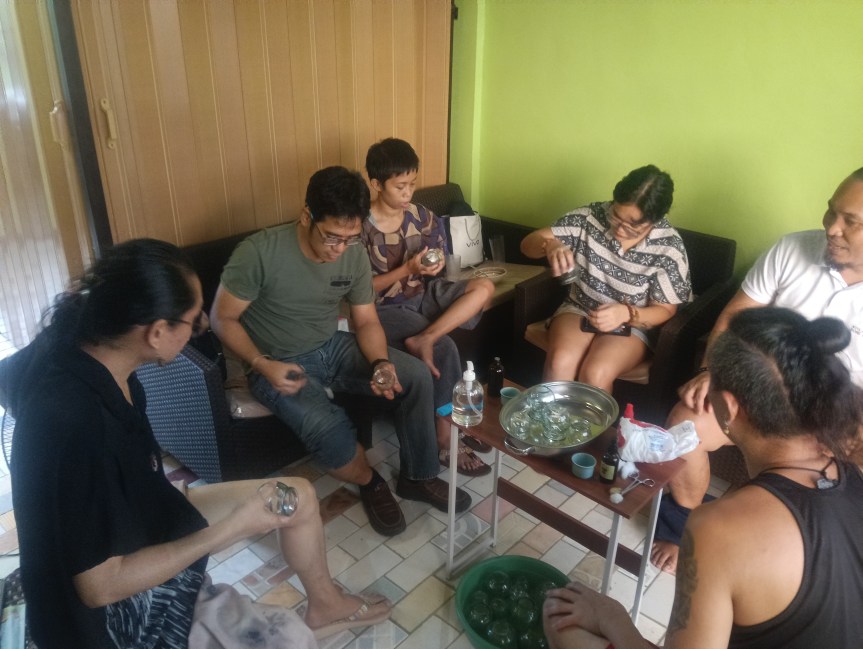
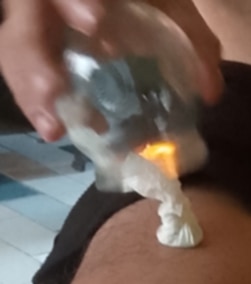
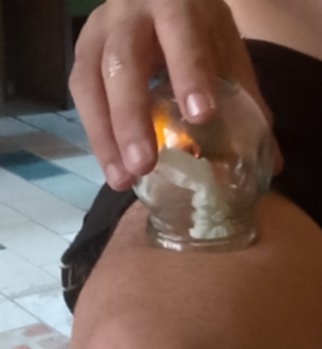
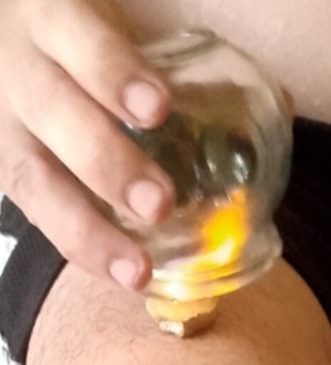
Last May 18, 2025- we have shared to our Hilot Binabaylan Alignment Trainee the Hilot Treatment which everyone knows as Bentusa Fire Cupping. Everyone had the opportunity to place bentusa cup on their own skin by sharing different methods on how to apply it. What I emphasize how to make vacuum using fire.
Coin and Paper Method
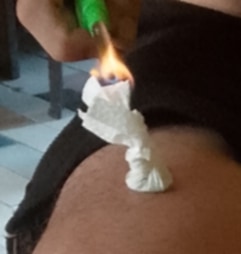
In this procedure, the manghihilot prepare an old coin and tissue paper. Then wrap the tissue paper along the old coin. The coin will serve as a stand and place it on the area you are to place the bentusa cup. then burn the paper and as it burn carefully place the bentusa cup in order to create vacuum to suck the skin.
2. Cotton and Ginger Method
In this procedure, you will need to slice a ginger which is wide enough to fit the mouth of our bentusa cup. Then soak a piece of cotton to 70% ethyl alcohol (which I prefer to recommend rather than Isopropyl alcohol). Then place the ginger slice on the area where you are going to place the bentusa cup and the soaked cotton. After that light it on fire and gently place the bentusa cup on the area to be treated.
DISADVANTAGE OF PAPER AND GINGER METHOD
Aside from safety concerns, the burnt paper or cotton placed over the area will produce smoke. That will be trapped inside the bentusa cup when it already created a vacuum or reverse pressure. It is said that burning tissue paper releases several chemicals including carbon dioxide and carbon monoxide which both contribute to air pollution. additionally, burning paper can produce dioxins, which are highly toxic and can have harmful effects on human health and the environment.
While burning soaked cotton on 70% Ethyl Alcohol have a health hazards such as:
Respiratory Issues – Inhaling the fumes can cause irritation to the lungs, leading to coughing, shortness of breath, or dizziness. Prolonged exposure may contribute to respiratory damage.
Skin and Eye Irritation – Ethyl alcohol and its combustion byproducts can cause skin irritation or eye discomfort, especially if direct contact occurs.
Toxic Exposure – Incomplete combustion can release carbon monoxide (CO), which is highly toxic and can lead to headaches, nausea, or even unconsciousness in high concentrations.
Carcinogenic Risk – Burning organic materials may produce aldehydes and volatile organic compounds (VOCs), some of which have been linked to long-term health risks
Neurological Effects – Exposure to high concentrations of ethanol vapors can cause dizziness, confusion, or impaired coordination
Health Hazards of Burning Tissue Paper.
Burning tissue paper can pose several health hazards, including:
Respiratory Issues – The smoke contains fine particles and harmful gases that can irritate the lungs, leading to coughing, shortness of breath, and asthma.
Carbon Monoxide Poisoning – Incomplete combustion releases carbon monoxide (CO), which can cause dizziness, headaches, and even unconsciousness in high concentrations.
Toxic Chemical Exposure – Burning paper can release dioxins, sulfur dioxide, and volatile organic compounds (VOCs), which may contribute to long-term health risks.
Skin and Eye Irritation – The smoke and ash can cause eye discomfort and skin irritation, especially in enclosed spaces.
Carcinogenic Risk – Some chemicals released during burning, such as polycyclic aromatic hydrocarbons (PAHs), have been linked to cancer.
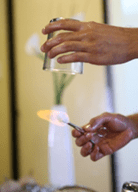
There are other methods which Manghihilot employ in order to place the Bentusa Cups over the body but the one that Hilot Academy recommend is the Torch Method. In this method you will need a forceps, cotton, 70 % Ethyl Alcohol, Kidney Basin, Lighter or lighted candle. Before you place the bentusa cup over the body, be sure to lubricate it with Lana healing oil. Then soak the cotton with 70 % Ethyl Alcohol clipped with a forceps then put it in fire then place it inside the bentusa cup which is positioned near the area to be treated and manually place the cup over the area to be treated.
Since the torch method also involve burning of cotton which has biochemical health hazards, let us explore other form of bentusa cupping.
Though using Plastic Bentusa cups does not burning paper or cotton, it still has health hazard because of the plastic meterials being used. So, here are its health hazards:
Chemical Leaching – Some plastics contain Bisphenol A (BPA) and phthalates, which can leach into the skin when exposed to heat, potentially disrupting hormones.
Microplastic Exposure – Over time, plastic cups may release microplastics, which can be absorbed by the body and may contribute to inflammation and toxicity.
Skin Irritation – Certain plastics may cause skin reactions, especially if they contain chemical additives that interact with heat or oils.
Reduced Effectiveness – Plastic cups may not create a strong vacuum compared to glass or silicone, leading to less effective therapy.
Environmental Impact – Disposable plastic cups contribute to plastic waste, which can harm ecosystems and increase exposure to pollutants.
So, if all of these have health hazards, what other material we can recommend using?
But before we go further, bentusa has primary purpose of stimulating blood flow, relieving muscle tension and promote healing. Other health benefits of having bentusa are the following:
Thats how powerful bentusa can be specially paired with Hilot Pahid or Massage.
In the video above, we have seen that the material being used for cupping is Carabao horn. This kind of cupping treatment is known as Tandok,though it seems similar to Bentusa, it has different purpose which is to remove venom, rabies and tetanus from wound using animal horn, such as those from deer, goat or carabao.
It is said that Tandok has the following health benefits for the receiver of the treatment:
Detoxification – Practitioners believe it helps remove toxins from the body.
Pain Relief – Some claim it alleviates muscle pain, arthritis, and joint stiffness.
Improved Circulation – The suction effect may stimulate blood flow Removing blood may stimulate the production of new red blood cells, potentially improving circulation
Traditional Healing – Used in rural areas where modern medicine is less accessible.
Iron Regulation – Bloodletting can help reduce excess iron levels in the blood, which may be beneficial for individuals with hemochromatosis.
Lower Blood Pressure – Some studies suggest that donating blood regularly may help maintain healthy blood pressure levels.
Detoxification – Traditional practitioners believe bloodletting helps remove toxins from the body.
Migraine Relief – Some historical accounts suggest bloodletting was used to alleviate headaches and migraines.
TAWAK
We could say that Tawak is the mother of all these treatment method that requires suction. This treatment involve direct suction by the mouth of a traditional medicine practitioner known as mananawak, to remove venoms, toxins or infections from wounds caused by animal bites. But these technique or treatment method also has been used by poor people who has no money to send their children to proper medical care facility to remove mucus from their infant child by directly sucking the mucus that obstruct the passage of air to provide relief.
Uses and Beliefs
Practitioners believe Tawak can help extract poison from snake bites, rabies from dog bites, and toxins from wounds.
It is often used as an alternative to modern medical treatments, especially in areas where access to hospitals and vaccines is limited.
Some communities still rely on Tawak due to cultural beliefs and the high cost of medical care
Concerns and Risks
Medical experts warn that Tawak is not scientifically proven to cure rabies or venomous bites.
Direct suction can expose both the healer and the patient to infections and diseases.
Delaying proper medical treatment can lead to serious health risks, including untreated rabies, which is fatal
In Philippine Indigenous Traditional Healing, it is important for us not only to know the Anatomy and Physiology of the Physical Body of an Individual but also our Holistic Aspects that we can learn by understanding deeply our Dimensions of Reality and our plane of existence. Not all illnesses come from External Factor but also Internal on which we have to know which Soul affect the person that it becomes sick.
By having this knowledge in mind as Hilot Binabaylan, we can plan the right and appropriate treatment procedure to an Individual to affect cure.
Join our HILOT BINABAYLAN ALIGNMENT TRAINING PROGRAM FOR HILOT WELLNESS NC2 and become an Ordained #HilotBinabaylan Practitioner starting March 23, 2025 from 1:00 PM- 6:00 PM and the following Sundays up to June 22, 2025.
This will be a weekly learning sessions that we are going to share the practices of Hilot Binabaylan in providing care to your Community.
Health Care requires trust from the people that will receive it. That is why Hilot has been the most trusted Healthcare modality in the Philippines since before the Colonization Period. Modern Medicine is only a recent introduction to the Filipino People especially to those who are living in the rural areas and in a far-flung community where modern Health Care doesn’t reach. And besides, the introduction of modern medicine was only available for the rich people who can afford it. While Hilot can be easily availed by any one as it does not cost much. Traditionally, Hilot can be obtained from Family Members such as mother, aunties or even grandmother. The Principle of Loving Care is applied in Hilot Treatment that does not require monetary payment. Here are my answers to your questions:
What skills and training are necessary for someone to become a trusted manghihilot, and how do you ensure safety in your practice? The Skills of Manghihilot in treatment is based on Traditional Healing Principles.
DIAGNOSTIC. Manghihilot uses different diagnostic methods to determine if the illness is caused by Physical Mean or Spiritual Mean. That is why there is a Finger Alignment Method (pantay daliri) to determine if the illness is caused Spiritually or Physically. Then if the cause of illness is caused by the Spirit, the Manghihilot employs Tawas which can be likened into a Psycho- Emotional Assessment. Hilot Academy redefined Tawas from being Spiritual Diagnosis to Traditional Alternative Wellness Analytic System.And if the illness is caused Physically, the Diagnostic Method employed is called Pasubay which observed the patient using 5 senses to determine the disorder of the patient. And if the person has internal problems which are caused by the imbalance of the organ, the manghihilot employs himulso or pulse reading analysis.
CLEANSING. Whether the illness is caused spiritually or physically, we believe that the person becomes impure that it needs to be cleansed. The water is employed in cleansing whether internally or externally.
REPAIR. After cleansing, the manghihilot will address the problem by repairing it. There are different treatment techniques to be employed on different illnesses. Even if there are 2 persons suffering from similar illness, the treatment is uniquely different from each individual.
STRENGTHENING. After treatment, whether be it simple illness to chronic disease, the Body gets weak that is why the manghihilot will provide herbal tea to drink and prescribe food to eat to recover the patient’s strength; and lastly
MAINTENANCE: The manghihilot will provide to the patient some home care remedies, amulets and charms and even instructions of physical activity that the person may prevent from getting sick from the same ailments.
In terms of Training, the Authentic Manghihilot are not schooled. The Knowledge, Skills, Abilities and Attitude of Manghihilot are being taught through observation and experience either through apprenticeship from a Hilot Master or out of compassion, just like a mother that her child gets sick will find a way to apply cure to her child. Though as Manghihilot, we do not claim that we can cure, but we believe that all individuals have the ability to heal themselves, and we as manghihilot are only the facilitator that helps the individual to achieve their own healing through the medicine we provide that is by employing the powers of the elements such as herbs, heat, light, water and time. As manghihilot, we are translators more than communicators. We listen to the voice of the Spirit and their body and relay to the individual what they do not understand and after that we seek help from nature to have medicine for the sick.
How do you ensure safety in your practice? This is a personal question on how I personally ensure the safeness of my practice. So, I will respond to this in accordance with our Code of Ethics. In the book i write which is titled as Hilot Gamutan: a Fundamental Guide in Hilot Treatment Methodology, i will quote on page 9, that states:
“As manghihilot, we do not treat patients that have conditions that are beyond our understanding. We refer them to proper healthcare professionals as necessary. As manghihilot, we are trained to treat Traditional Filipino Ailments known as Pilay, and our works only revolved in treating this illness. Our limitation as manghihilot is bound only to what we know, so in order to overcome this limitation we should be open for learning and face the modern challenges of life; as time evolves into modernity we will bring hilot all along so that future generations may still benefit from it.”
That is how I observe safety in my practice of Hilot.
2. How do you address criticism that Hilot may cause complications, especially in cases where professional medical intervention is needed?
Just like what it is stated in our Code of Ethics, we limit our practice in Treating Pilay which is our Traditional Illness. But with the advent of modern medicine and colonizing indigenous tribes, the illness of brought by colonizers such as the cry of one dumagat chieftain, when the government enters the forest, new illnesses have been found in their tribe that originally there are only 10 common illnesses that comes to them which they can solve. So, they are asking for help from the Government to send medical doctors in the forest, but unfortunately, there are only few Honorable doctors who will take that challenge to live among the indigenous people and adopt their culture.
3. What role do you see Hilot playing in a modern healthcare setting? Should it complement or stand apart from mainstream medicine?
Hilot plays a primary role in Health Care as we are the grass root of Modern Medicine. Common People who live in rural areas trusted Hilot more than the modern healthcare professionals. We can bridge that gap by educating the people to trust modern medical practitioners, unlike the modern doctors who discriminate against us in our practice. In the lessons about the Generations of Healers the Modern Doctors are 4th Generation healers as ordained by the Supreme Divine Creator who is the First genration healer, next was the Babaylan, third, during the coming of the colonizers the healing abilities of Babaylan are distributed to the Manghihilot and Mananambal, the fourth is the Modern Doctors, the Fifth is the Hilot Binabaylan which we belong and the 6th generation in prophecy are the Integrative Medical Doctors who combined the Modern Science and the Ancestral ways of Filipino Healing.
As Hilot Binabaylan, I am looking forward for this to happen as of this moment, there are no Modern Medical Doctor who practice Hilot in Health Care, even Dr. Jaime Galvez Tan who advocates hilot does not practice it instead do acupuncture nor Dr. Isidro Sia former Director General of Pitahc also practice Acupuncture and Dr. Anabelle Pabiona De Guzman, another Pitahc Director General who established the Naturopathic School in Far Eastern University Manila. Dr. Mina Gabor who is former Department of Tourism Secretary has established Hilot School at International School of Sustainable Tourism can not be considered as Integrative Doctor as she is not a medical doctor by profession nor a manghihilot.
4. What steps do you think should be taken to modernise Hilot while preserving its cultural significance
First is, we have Republic Act 8423 that establishes Philippine Institute of Traditional Alternative Health Care or PITAHC. This law has the objective to promote and advocate the use of traditional, alternative, preventive and curative healthcare modalities that have been proven safe, effective, cost effective and consistent with Government standards of medical practice. But as we can see, PITAHC only put aside the promotion of Hilot and relied much on the Department of Tourism. Hilot is not a Hospitality Service but we must be included in Health Care Services. Hilot is not for Entertainment. You ask every living lola and lolo right now on how they remember Hilot, they will tell you that when they get sick, their mother will send them to a manghihilot.As Manghihilot, we do not rely on Pharmaceutical but instead we create our own medicine by harvesting it to our Garden. This is the reason why we do not charge money, because the medicines we formulate are from our own backyard. Manghihilot Cultivates the land where it produces our medicine. By that you can see we are not just a body worker, but we are also an Earth Steward. But as I go back to the steps in modernizing Hilot and preserve its cultural significance, Hilot should be put out in the Spa Industry but instead be employed in Public Health Care Facilities. Trained Hilot in Schools can work as Field Researcher in documenting Herbs, trees, flowers that grow in their Barangay. And from what they gather, they will send it to a more advanced Facility in Pitahc to conduct more intensive research to find the medicinal value of the plants. Then, upon finding its medicinal value, they can cultivate and propagate. Harvest then manufactures finished products such as tea, tablets, syrups, liniments, oils, etc. that can be distributed to the barangay constituents.
Pitahc should be included in DOH Offices that have Regional, Provincial, Municioal/ City and Baranggay Health Center. Since we are the grass root of health care, Modern Medicine and Traditional Medicine can work together hand-in-hand in caring for the health of the people.
I pray that I answered all of your Questions.
(Please do visit Medical Channel Asia for more Modern Health Care Contents and how it could help to integrate the Traditional Medicine into the modern health care practices in Asia.)
















You must be logged in to post a comment.