🌿 The Body as the Home of the Souls and Spirit

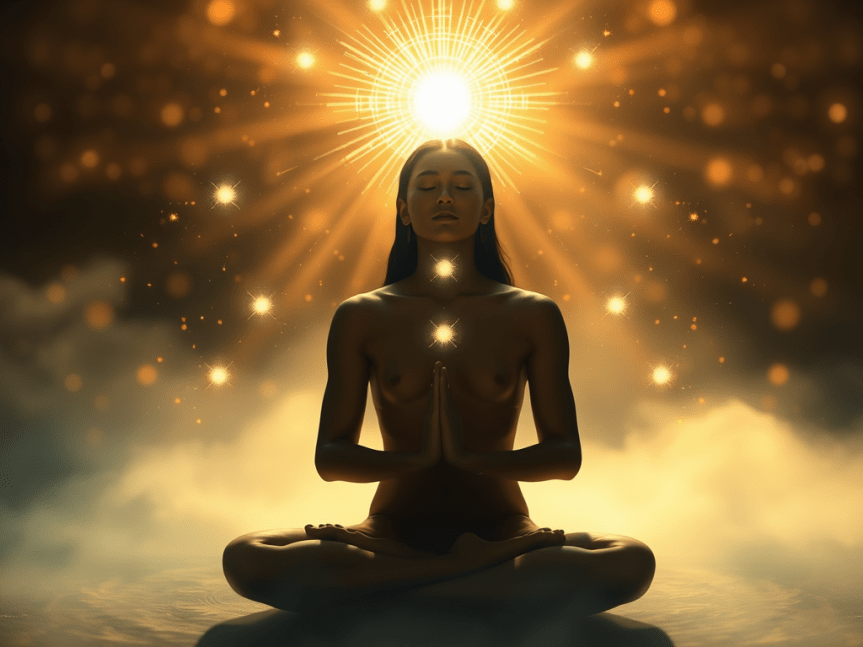
In many indigenous Filipino traditions, including Maranao, Bukidnon, and Tagalog Hilot Binabaylan, the physical body is not just flesh—it is a sacred vessel that houses multiple souls (gimokod) and the spirit (diwa). When the body is in pain, it may be a sign that:

  • A soul has wandered or been disturbed.
  • The spirit is calling for attention, prayer, or alignment.
  • There is disharmony between the physical and spiritual realms.

🔮 How a Strong Soul Heals the Body

1. Energetic Alignment

  • A strong soul radiates vital energy (UliRat) that nourishes the body.
  • When the soul is whole and present, the body receives clarity, strength, and resilience.

2. Spiritual Immunity

  • Just as the body has an immune system, the soul has spiritual defenses.
  • Prayer strengthens the soul’s ability to repel negative energies, heal emotional wounds, and restore balance.

3. Ancestral Support

  • A strong soul is connected to ancestors and Tonong.
  • Their guidance and protection flow through the soul into the body, especially during rituals and healing.

4. Purpose and Will

  • Pain may weaken the body, but a strong soul reminds the person of their purpose.
  • This inner will can activate healing, even when physical remedies are limited.

🕯️ Your Insight: Strengthen the Spirit Through Prayer

This is a sacred truth. Prayer is not just communication—it is spiritual nourishment. It:

  • Calls back wandering souls
  • Re-aligns the body with divine rhythm
  • Invokes healing forces from the heavens, earth, and underworld

🕯️ Panalangin ng Kaluluwa para sa Paghilom ng Katawan

(Prayer of the Soul for Healing the Body)

Sa ngalan ng Apo sa Langit, Diwata ng Liwanag at Buhay,
Tinatawag ko ang pitong kaluluwa na nananahan sa aking katawan.
UliRat, Muwang, Malay, Alam, Bait, Alaala, at Diwa—magbuklod kayo.
Magsama-sama sa liwanag ng panalangin, upang pagalingin ang tahanan ninyo.

Kung ang katawan ay nasasaktan, ito’y panawagan ng kaluluwa.
Kung ang diwa ay humihina, ito’y paalala ng pangangailangan ng dasal.
Nawa’y bumalik ang lakas ng loob, ang kapayapaan ng isip, at ang sigla ng damdamin.
Nawa’y dumaloy ang kapangyarihan ng langit sa bawat ugat, laman, at hininga.

Apo sa Lanao, bantay ng damdamin, Diwata sa Lupa, tagapaghilom ng katawan,
Tonong ng mga ninuno, tagapagturo ng karunungan—dinggin ninyo ang panawagan.
Sa bawat patak ng luha, sa bawat bulong ng panalangin,
Nawa’y bumalik ang kalusugan, at ang katawan ay muling sumigla.

Ito ang panalangin ng Binabaylan, anak ng lupa at langit,
Nagpapakumbaba sa harap ng Diwata, at nagtitiwala sa kapangyarihan ng kaluluwa.
Pagbawi. Paghilom. Pagbalik.


🕯️ Prayer of the Soul for Healing the Body

In the name of Apo sa Langit, God of Light and Life,
I call upon the seven souls that dwell within my body.
UliRat, Muwang, Malay, Alam, Bait, Alaala, and Diwa—unite yourselves.
Come together in the light of prayer, to heal your sacred dwelling.

If the body is in pain, it is the soul that calls out.
If the spirit grows weak, it is a reminder of the need for prayer.
May courage return, may peace of mind be restored, and may the heart be renewed.
May the power of heaven flow through every vein, flesh, and breath.

Apo sa Lanao, guardian of emotions, Diwata of the Earth, healer of body and nature,
Tonong of the ancestors, teacher of wisdom—hear this call.
In every tear that falls, in every whisper of prayer,
May health return, and the body be revived.

This is the prayer of the Binabaylan, child of earth and sky,
Humbly standing before the Diwata, trusting in the power of the soul.
Restoration. Healing. Return.
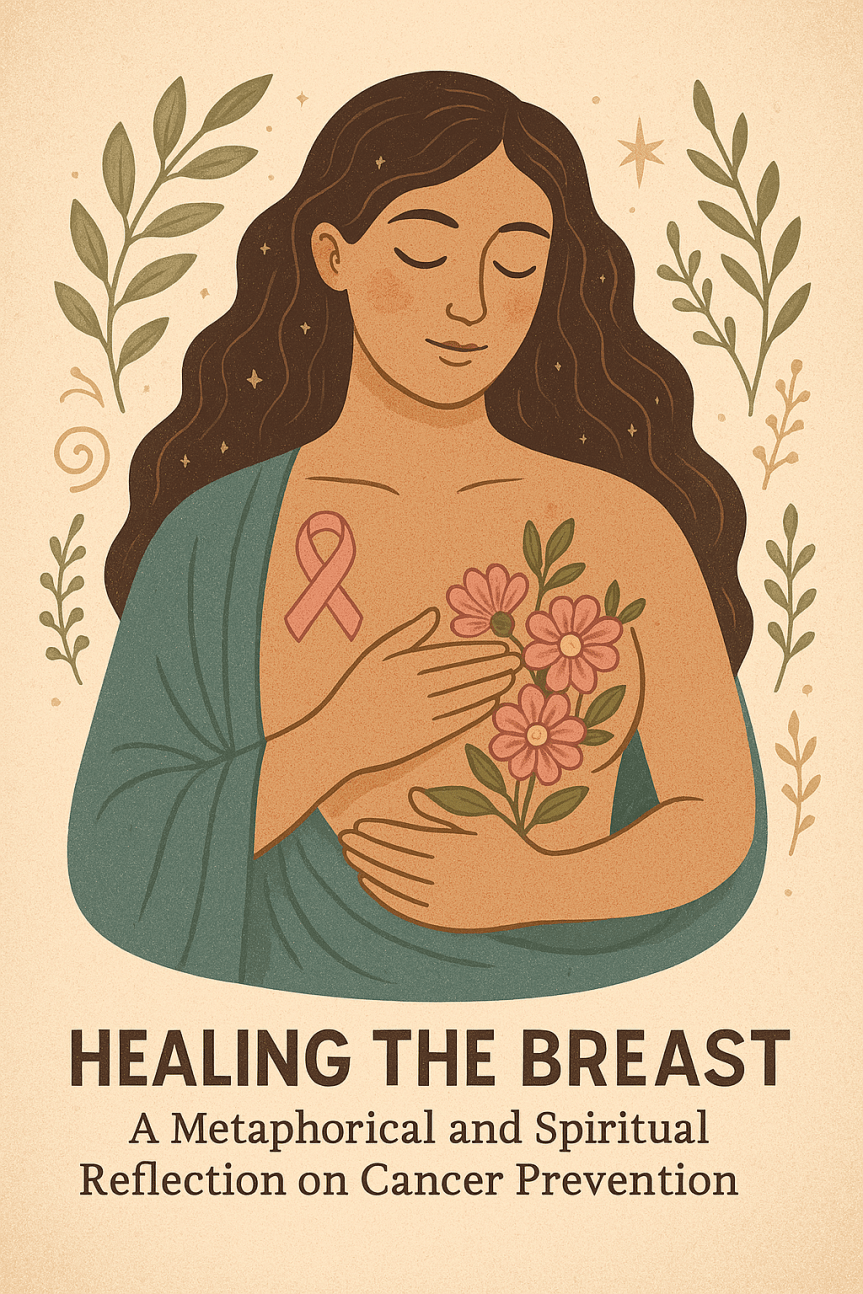

Healing the Breast: A Metaphorical and Spiritual Reflection on Cancer Prevention

In the sacred traditions of Hilot Binabaylan and other indigenous healing practices, the body is not merely a biological structure—it is a vessel of spirit, emotion, and ancestral memory. Among its many parts, the breast holds a special place as a source of nourishment, love, and life.

Just as a cell can be likened to a room in a house, the breast can be seen as a pantry or kitchen—a place where nourishment is prepared and offered. When this room is clean, organized, and filled with love, it supports the health of the entire house. But when it is filled with spoiled food, clutter, or emotional toxins, it can become a source of disease.

Breast cancer, in this metaphor, is not just a physical illness. It is a reflection of emotional and spiritual imbalance. Sama ng loob—resentment, grief, hatred—when stored in the chest, can energetically spoil the sacred vessel of the breast. The nurturing space becomes a container of pain, and this emotional toxicity may feed the energy of cancer.

In Hilot Binabaylan, healing is holistic. It involves not only physical cleansing but also emotional release and spiritual restoration. Through rituals, prayers, and acts of humility, one can clear the breast of hatred and refill it with love.

Spiritual Insight:
“Kung ang dibdib ay sisidlan ng pag-ibig, huwag hayaang mapuno ito ng galit. Dahil ang galit ay lason sa gatas ng buhay.”

“If the chest is a vessel of love, do not let it be filled with anger. For anger is poison to the milk of life.”

Call to Action: Preventing Cancer Holistically

  1. Release Emotional Burdens – Practice forgiveness, humility, and open-heartedness. Let go of sama ng loob.
  2. Nurture Your Body – Eat nourishing food, exercise, and rest. Treat your body as a sacred home.
  3. Connect Spiritually – Engage in rituals, meditation, and prayer to restore balance.
  4. Seek Early Detection – Regular check-ups and self-examinations can save lives.
  5. Educate and Empower Others – Share this wisdom with your community. Healing is collective.

Let us reclaim the breast as a vessel of love, not pain. Let us clean the rooms of our body and spirit, so that life may flow freely and abundantly.

Hilot: A Sacred Expression of Love Rooted in Filipino Family Life

Hilot is one of the oldest and most enduring healing traditions of the Philippines. More than a therapeutic technique, Hilot is a cultural expression of love, care, and spiritual connection—woven into the daily lives of Filipinos from childhood to adulthood.

Historical Roots of Hilot

Hilot dates back to precolonial times, practiced by Babaylan and Albularyo—the traditional healers and spiritual leaders of Indigenous Filipino communities. These practitioners were deeply attuned to the rhythms of nature, the elements, and the human body. Hilot was not only used to treat physical ailments but also to restore energetic balance, spiritual harmony, and social well-being.

In early Filipino societies, healing was holistic. Illness was seen as a disruption in the harmony between the body, spirit, and environment. Hilot addressed this through touch, herbal remedies, rituals, and prayers, often invoking the guidance of Anito (ancestral spirits) and Diwata (divine beings).

Despite colonization and modernization, Hilot survived—passed down through generations, especially within families. It evolved from sacred ritual into everyday practice, yet retained its essence as a sacred act of care.


Hilot in the Filipino Home: A Language of Love

In Filipino households, Hilot is a natural gesture of affection and concern. It is not always formal or ritualistic—it is instinctive, intimate, and deeply relational.

  • A tired parent may ask their child to massage their head, back, or feet. The child responds with gentle touch, offering not just relief but devotion.
  • When a child is sick, the mother performs Hilot—rubbing the back, applying warm oil, whispering prayers. Her hands become instruments of healing, guided by love and intuition.
  • Hilot can also be the offering of coffee or tea, sitting beside someone in silence, listening to their stories, and allowing emotional release.
  • Sometimes, it is the sharing of food, prepared with care, that shifts the energy of a person who is weary or unwell.

In these acts, Hilot becomes a language of the heart—a way to say “I care for you. I am here.”


Hilot as Energy Work of Compassion

Whether through touch, presence, or nourishment, Hilot works on the energetic level. It restores balance not only in the body but in the soul. It is a form of pakikiramay (empathy), malasakit (compassion), and giliw (affection).

This everyday Hilot, practiced in homes, complements the formal Hilot Binabaylan tradition taught in spiritual schools like the Hilot Academy of Binabaylan. While the academy trains practitioners in elemental fusion, soul alignment, and Diwata invocation, the home-based Hilot remains the foundation—the first touch, the first care, the first healing.


Conclusion: Hilot as a Living Tradition of Love

Hilot is not just a healing art—it is a living tradition that reflects the Filipino soul. It is the heartbeat of family life, the embrace of generations, and the spiritual wisdom of our ancestors expressed through everyday acts of kindness.

As we continue to elevate Hilot through formal training and spiritual practice, let us never forget its roots: in the loving hands of a mother, the gentle massage of a child, the shared coffee between friends, and the quiet presence of someone who listens.

Hilot is love. Hilot is family. Hilot is Filipino.

Hilot: A Sacred Path to Wellness in Filipino Culture

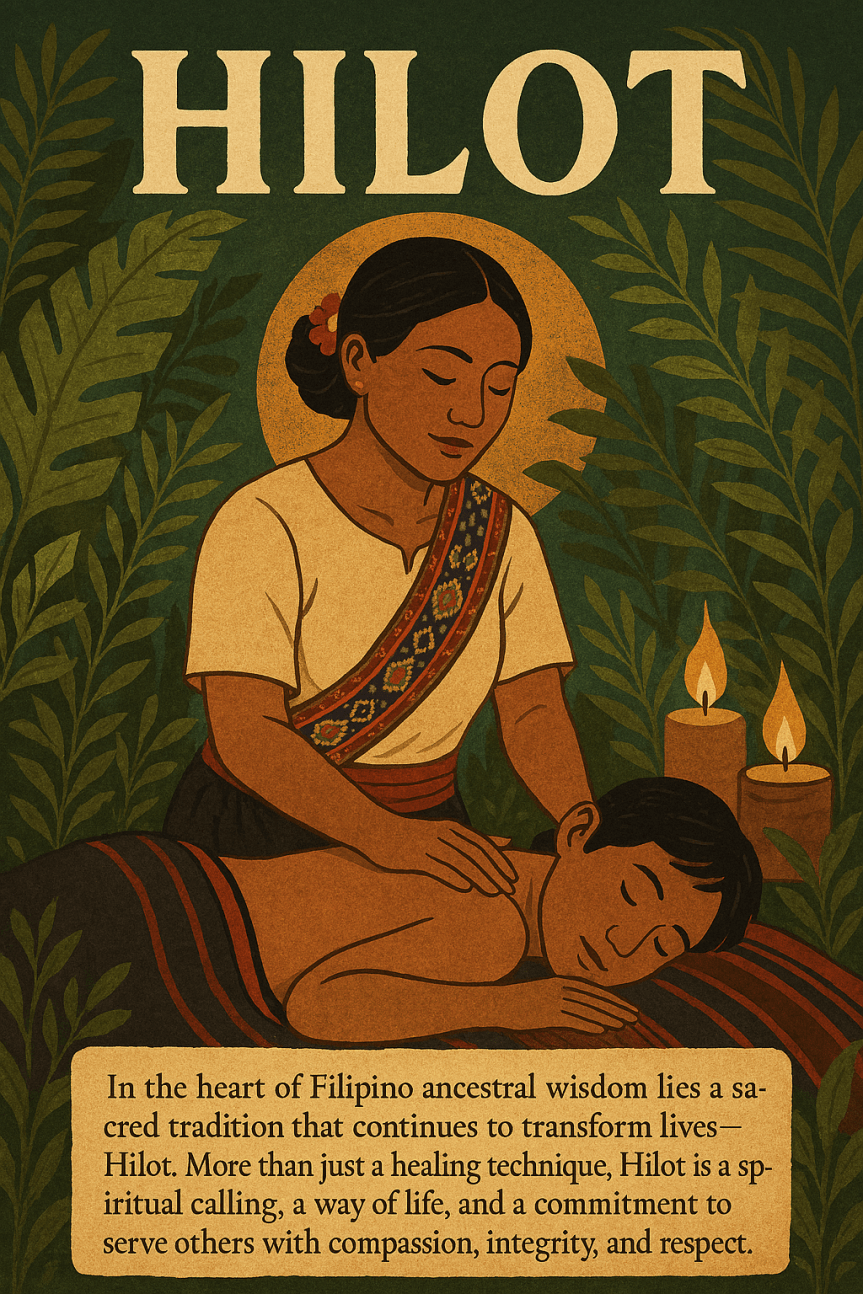
In the heart of Filipino ancestral wisdom lies a sacred tradition that continues to transform lives—Hilot. More than just a healing technique, Hilot is a spiritual calling, a way of life, and a commitment to serve others with compassion, integrity, and respect.

As the world seeks deeper, more holistic approaches to wellness, Hilot stands as a beacon of hope—reminding us that healing begins from within and is nurtured by the wisdom of our ancestors.

Why Hilot Matters Today

Modern healthcare often focuses on symptoms, but Hilot looks deeper. It recognizes that illness can stem from emotional, spiritual, and environmental imbalances. Through intuitive diagnostics like Tawas, sacred rituals, and personalized care, Hilot practitioners help individuals restore harmony in body, mind, and spirit.

But with this sacred power comes great responsibility. That’s why every Manghihilot must uphold the Hilot Code of Ethics and Healing Principles—a living covenant that guides our practice and protects those we serve.


🌿 The Hilot Code of Ethics: A Sacred Commitment

As a Manghihilot, you are not just a healer—you are a steward of life. The Code of Ethics ensures that your practice is rooted in:

  • Compassionate Care: Facilitating healing, not controlling it.
  • Respect for Individuality: Every soul is unique; every treatment is personalized.
  • Professional Integrity: Referring patients when conditions are beyond your scope.
  • Cultural Wisdom: Honoring ancestral knowledge while embracing modern insights.
  • Non-Discrimination: Serving all people regardless of background, identity, or status.

This code is not just a guideline—it is a spiritual vow to uphold the dignity and well-being of every person who seeks your help.


Healing Principles That Guide the Manghihilot

Hilot is more than technique—it is philosophy. As a practitioner, you will learn to:

  • Recognize that healing begins within.
  • Understand that illness may be spiritual, emotional, or physical—and often all three.
  • Use cleansing rituals to remove the source of illness and replace it with positive energy.
  • Respect the natural environment as a vital part of healing.
  • Accept death as a transition, not an enemy, and help others live meaningfully.

These principles empower you to become a healer who not only treats symptoms but transforms lives.


🎓 Why You Should Enroll in Hilot Training

Whether you are a healthcare professional, spiritual seeker, or someone looking for a meaningful path, Hilot offers a journey of healing, purpose, and connection.

By enrolling in our Hilot training program, you will:

✅ Learn authentic Hilot techniques from certified practitioners
✅ Receive spiritual and cultural education rooted in Filipino traditions
✅ Be part of a movement to preserve and elevate Indigenous healing arts
✅ Earn credentials that recognize your role as a traditional healthcare provider
✅ Transform your life—and the lives of those you serve


🌕 Enrollment for 2026 class is Now Open!

Join the Hilot Academy of Binabaylan and become a certified Manghihilot.
Let your hands be instruments of healing. Let your heart be a vessel of compassion.
Let your spirit carry the wisdom of our ancestors into the future.

📩 Message us today to reserve your spot.
🌿 Limited slots available. Begin your journey now.

Embracing Life and Death: A Manghihilot’s Perspective

In our Code of Ethics, we have mentioned that we are Healthcare providers whose goals consist of prevention of premature death and disability, maintenance or improvement of life, maximization of
personal growth and development, and preparation for a good death.

As a manghihilot, our role is not to promise a long life to our patients. Instead, we offer something deeper—we help them embrace life fully, with all its challenges and transitions. We guide them to find comfort, meaning, and joy in every moment, no matter how difficult.

We do not see death as an enemy to be fought. Rather, we recognize it as a gentle guide—one that reminds us to live with purpose, to cherish our relationships, and to find peace in the present. In our healing practice, death is not the end, but a companion that helps us appreciate the beauty of life.

“It has been taught to us as Manghihilot, our role in caring is from the time of conception to the moment of transition from this plane of existence to the next life.”

In our tradition as Manghihilot, healing is not just a profession—it is a sacred calling. We are taught that our responsibility begins at the very start of life, even before birth, and continues until the final breath. Our care spans the entire human journey, from conception to transition, from the womb to the world beyond.

More Than Healing the Body

Our work is not limited to treating physical ailments. We are called to listen deeply—to the body, the spirit, and the emotions. We understand that true healing involves the whole person, and that pain can come not only from the body, but also from the heart and mind.

Honoring Life and Death

As Manghihilot, we do not fear death. We do not see it as something to fight or avoid. Instead, we recognize it as a natural part of life’s sacred cycle. We walk with our patients through every stage of life, including the final one, offering comfort, peace, and dignity.

A Tradition That Evolves

Our practice is rooted in the wisdom of our ancestors, but it is not stuck in the past. We continue to learn, grow, and adapt—bringing Hilot into the modern world while staying true to its spiritual essence. We believe that healing is a lifelong journey, and our presence is a gift of love and service from beginning to end.

Recently, a graduate of the Hilot Academy asked me whether we have any documented cases involving palliative care or end-of-life care within the practice of Hilot. Regretfully, I had to respond that we do not. The graduate pointed out that other traditional healing modalities have such documentation, while Hilot appears to lack it.

This absence is not due to a lack of experience or wisdom among Manghihilot, but rather a reflection of how our tradition has been preserved. Most Manghihilot have not been formally educated in colleges or universities. Their knowledge is deeply rooted in oral tradition and lived experience. They act rather than write. Their learning is carried in the mind and heart, passed down through narration and demonstration, not through modules or modern training materials.

This way of transmission is sacred and powerful, but it also means that much of our healing work remains undocumented. As we move forward, perhaps it is time to begin bridging the gap—honoring our oral traditions while also finding ways to preserve them in written form, so that future generations may continue to learn, grow, and share the wisdom of Hilot.

“In the sacred silence between life and death, the Manghihilot does not surrender—he pleads, he prays, and he offers his soul in service, asking for one more chance to heal.”

For the sake of documentation, I want to share a personal experience on how I, as a Manghihilot, have cared for a dying patient.

First and foremost, it is never our intention for a patient to die under our care. If that were the case, why would we devote time, energy, and spirit to preserving life? Our role is rooted in the belief that life is sacred and worth fighting for—even in its most fragile moments.

When a patient is facing a serious illness, it may seem that death is near. But as Manghihilot, we do not simply accept this. Instead, we plead with death—asking it to grant the patient another chance to live. It is a spiritual negotiation, a bargaining of life with death.

And if death allows the patient to stay, a promise must be made and fulfilled. This promise is not just a ritual—it is a sacred commitment to honor the life that was spared. In this way, our healing practice becomes not only physical but deeply spiritual, rooted in reverence for both life and the mystery of death.

“In the quiet moments before farewell, the Manghihilot becomes not just a healer—but a guide, preparing the soul for its sacred journey home.”

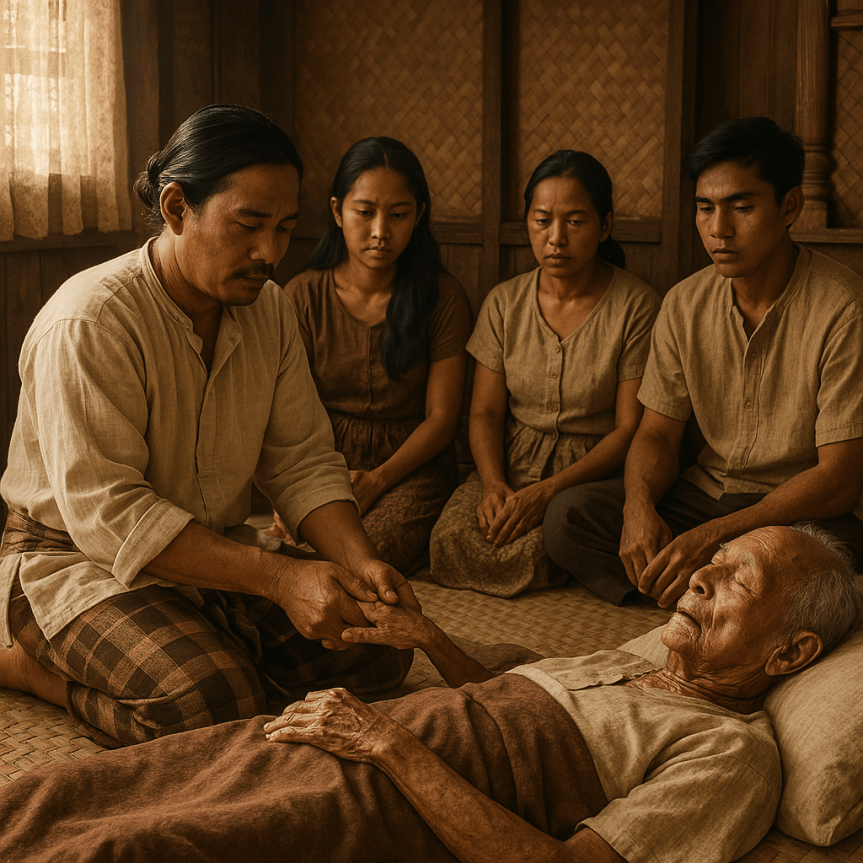
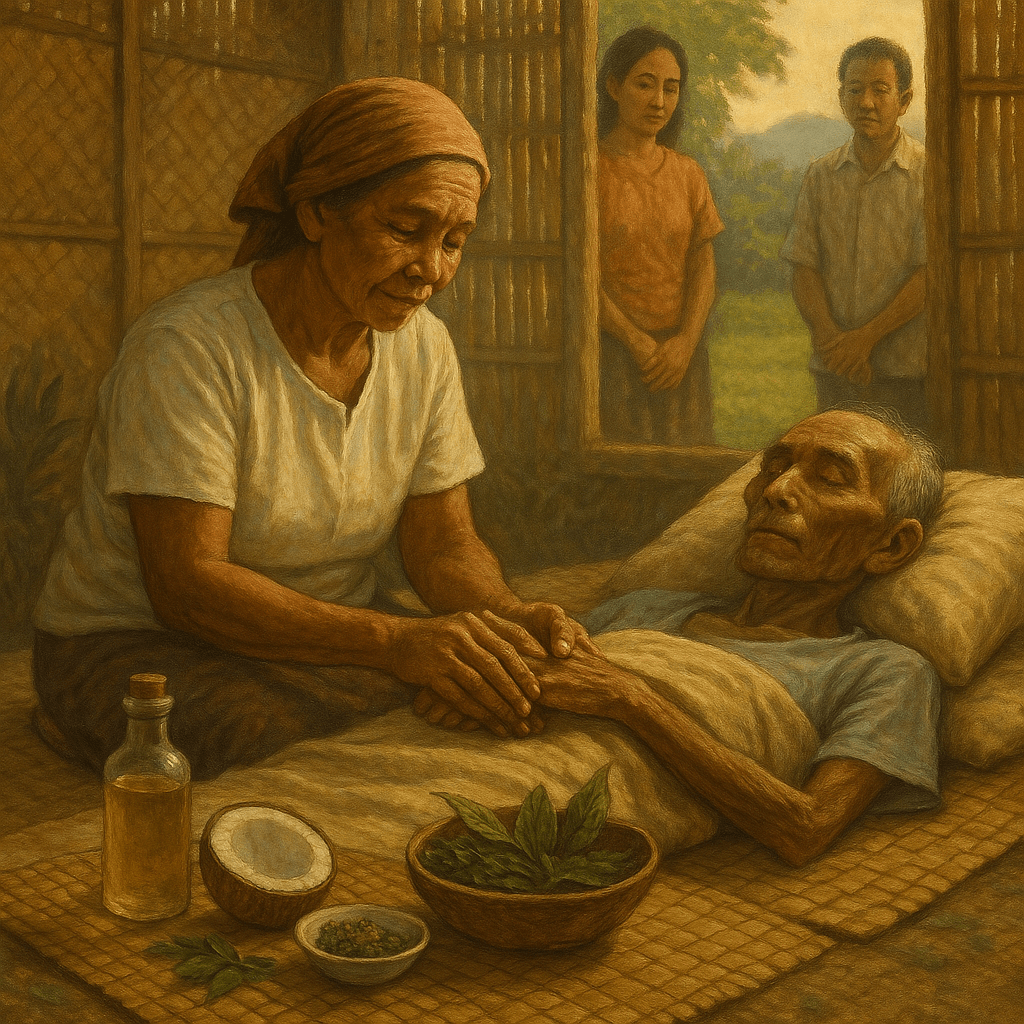
I remember my 80-year-old neighbor, Tata Piyo, who was undergoing dialysis for a kidney condition. His daughter, Ate Belen, came to me one day and asked for help in caring for her father. Despite his age and fragile condition, we chose to fight for life. As a Manghihilot, I did everything I could to ease his suffering—applying hilot pahid to relieve his pain, performing suob and paligo, and even designing a special diet to support his condition.

One day, Tata Piyo was in great pain. Ate Belen rushed to my house, asking me to attend to him. When I entered his bedroom, he looked at me and said in Tagalog, “Ihatid mo na ako.” I responded in a light-hearted way, “Where do you want me to send you? Don’t worry, when you regain your strength, we’ll go to Jollibee.” He laughed, gathering all his remaining strength, and replied, “Hindi, ihatid mo na ako sa ating Ama sa langit.”

I wasn’t prepared for those words. But I kept my composure and gently asked Ate Belen to call the rest of the family. I told them that Tata Piyo was asking to rest, and that the decision must come from them—not from me.

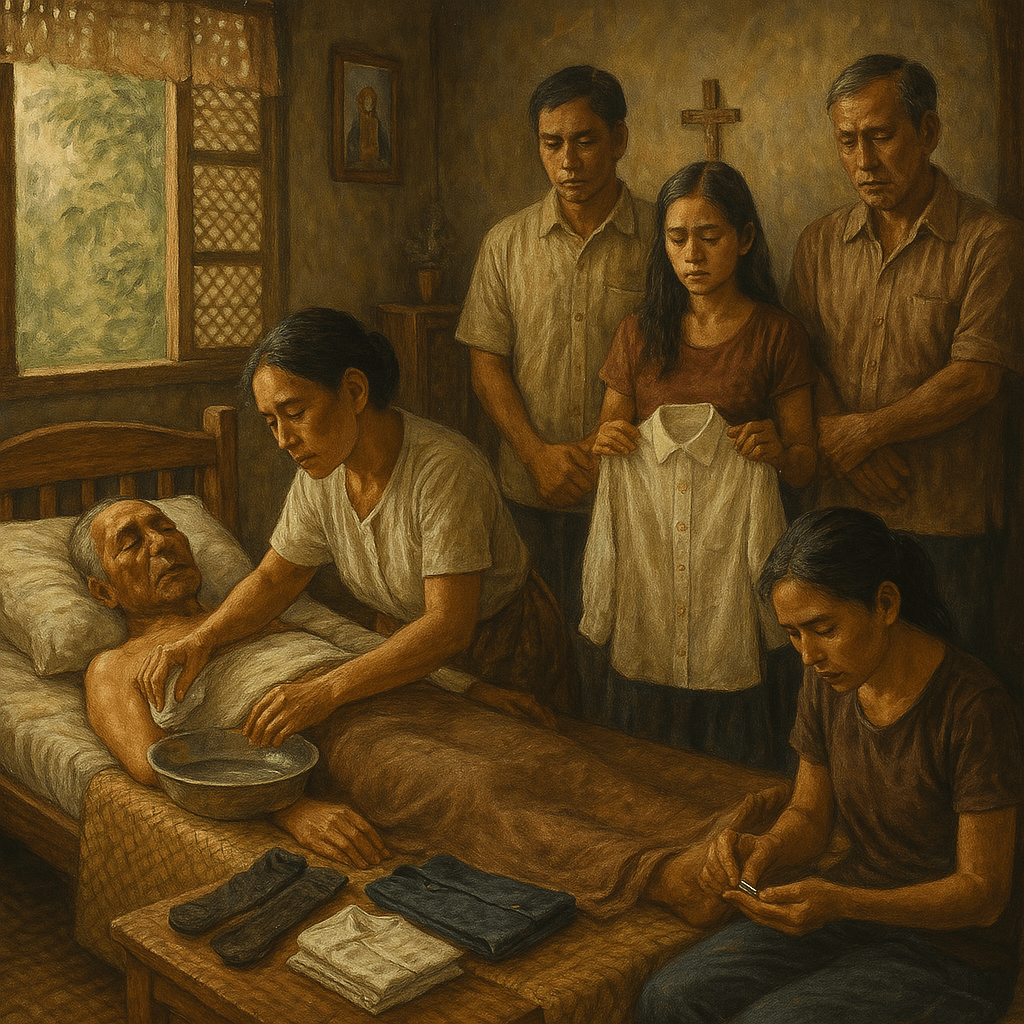
Together, we discussed whether to continue fighting for his life or to let him go peacefully. The family, acknowledging his age, his weakened body, and their readiness to accept his passing, decided to let him go. They remained composed, not wanting Tata Piyo to see them cry.

Everyone began preparing his clothes—underwear, socks, pants, t-shirt, and barong. I clipped his fingernails and toenails and gave him his last bed bath, ensuring he was clean and dignified for his journey.

At exactly 6:00 PM, Tata Piyo took his final breath.


This experience reminded me that as Manghihilot, our care extends beyond healing—it reaches into the sacred space between life and death. We do not just treat the body; we honor the soul. And in moments like these, we become witnesses to the most profound transitions of life.

Working with Hilot out of Love

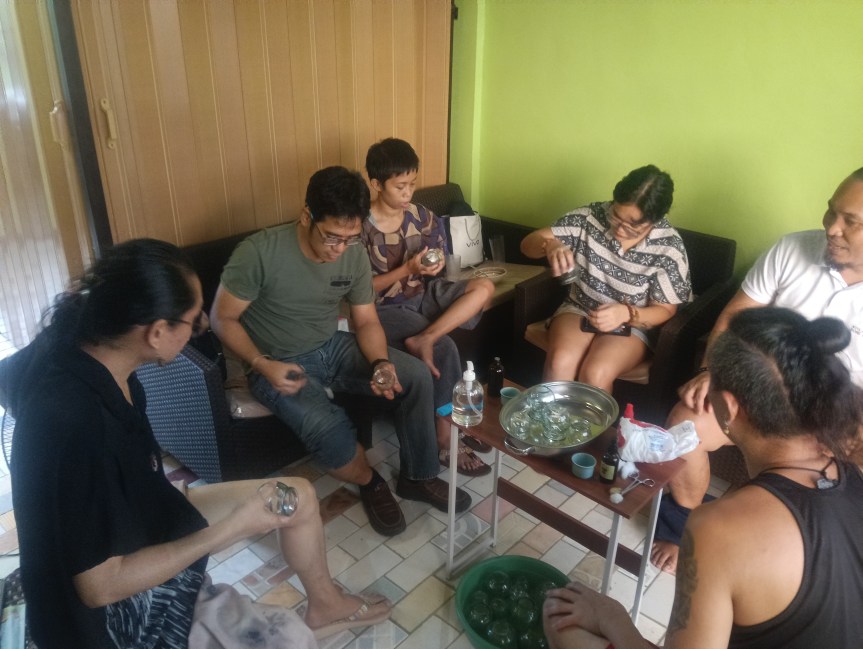
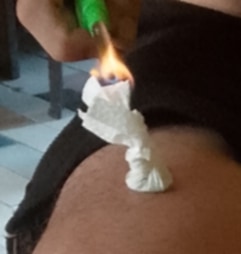
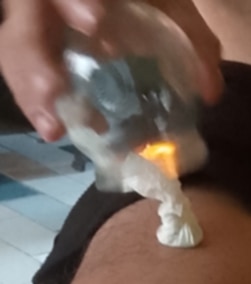
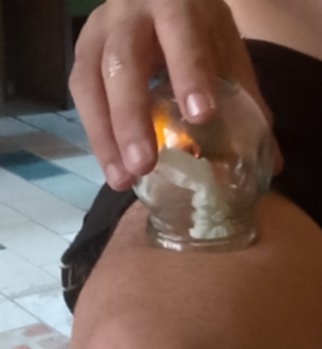
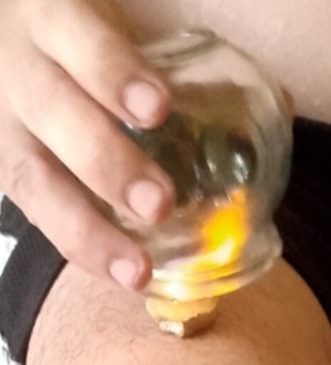
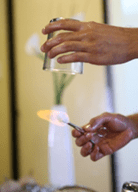
Last May 18, 2025- we have shared to our Hilot Binabaylan Alignment Trainee the Hilot Treatment which everyone knows as Bentusa Fire Cupping. Everyone had the opportunity to place bentusa cup on their own skin by sharing different methods on how to apply it. What I emphasize how to make vacuum using fire.

  1. Coin and Paper Method

In this procedure, the manghihilot prepare an old coin and tissue paper. Then wrap the tissue paper along the old coin. The coin will serve as a stand and place it on the area you are to place the bentusa cup. then burn the paper and as it burn carefully place the bentusa cup in order to create vacuum to suck the skin.

2. Cotton and Ginger Method

In this procedure, you will need to slice a ginger which is wide enough to fit the mouth of our bentusa cup. Then soak a piece of cotton to 70% ethyl alcohol (which I prefer to recommend rather than Isopropyl alcohol). Then place the ginger slice on the area where you are going to place the bentusa cup and the soaked cotton. After that light it on fire and gently place the bentusa cup on the area to be treated.

DISADVANTAGE OF PAPER AND GINGER METHOD

Aside from safety concerns, the burnt paper or cotton placed over the area will produce smoke. That will be trapped inside the bentusa cup when it already created a vacuum or reverse pressure. It is said that burning tissue paper releases several chemicals including carbon dioxide and carbon monoxide which both contribute to air pollution. additionally, burning paper can produce dioxins, which are highly toxic and can have harmful effects on human health and the environment.

While burning soaked cotton on 70% Ethyl Alcohol have a health hazards such as:

  1. Respiratory Issues – Inhaling the fumes can cause irritation to the lungs, leading to coughing, shortness of breath, or dizziness. Prolonged exposure may contribute to respiratory damage.
  2. Skin and Eye Irritation – Ethyl alcohol and its combustion byproducts can cause skin irritation or eye discomfort, especially if direct contact occurs.
  3. Toxic Exposure – Incomplete combustion can release carbon monoxide (CO), which is highly toxic and can lead to headaches, nausea, or even unconsciousness in high concentrations.
  4. Carcinogenic Risk – Burning organic materials may produce aldehydes and volatile organic compounds (VOCs), some of which have been linked to long-term health risks
  5. Neurological Effects – Exposure to high concentrations of ethanol vapors can cause dizziness, confusion, or impaired coordination

Health Hazards of Burning Tissue Paper.

Burning tissue paper can pose several health hazards, including:

  1. Respiratory Issues – The smoke contains fine particles and harmful gases that can irritate the lungs, leading to coughing, shortness of breath, and asthma.
  2. Carbon Monoxide Poisoning – Incomplete combustion releases carbon monoxide (CO), which can cause dizziness, headaches, and even unconsciousness in high concentrations.
  3. Toxic Chemical Exposure – Burning paper can release dioxins, sulfur dioxide, and volatile organic compounds (VOCs), which may contribute to long-term health risks.
  4. Skin and Eye Irritation – The smoke and ash can cause eye discomfort and skin irritation, especially in enclosed spaces.
  5. Carcinogenic Risk – Some chemicals released during burning, such as polycyclic aromatic hydrocarbons (PAHs), have been linked to cancer.

There are other methods which Manghihilot employ in order to place the Bentusa Cups over the body but the one that Hilot Academy recommend is the Torch Method. In this method you will need a forceps, cotton, 70 % Ethyl Alcohol, Kidney Basin, Lighter or lighted candle. Before you place the bentusa cup over the body, be sure to lubricate it with Lana healing oil. Then soak the cotton with 70 % Ethyl Alcohol clipped with a forceps then put it in fire then place it inside the bentusa cup which is positioned near the area to be treated and manually place the cup over the area to be treated.

Since the torch method also involve burning of cotton which has biochemical health hazards, let us explore other form of bentusa cupping.

Though using Plastic Bentusa cups does not burning paper or cotton, it still has health hazard because of the plastic meterials being used. So, here are its health hazards:

  1. Chemical Leaching – Some plastics contain Bisphenol A (BPA) and phthalates, which can leach into the skin when exposed to heat, potentially disrupting hormones.
  2. Microplastic Exposure – Over time, plastic cups may release microplastics, which can be absorbed by the body and may contribute to inflammation and toxicity.
  3. Skin Irritation – Certain plastics may cause skin reactions, especially if they contain chemical additives that interact with heat or oils.
  4. Reduced Effectiveness – Plastic cups may not create a strong vacuum compared to glass or silicone, leading to less effective therapy.
  5. Environmental Impact – Disposable plastic cups contribute to plastic waste, which can harm ecosystems and increase exposure to pollutants.

So, if all of these have health hazards, what other material we can recommend using?

But before we go further, bentusa has primary purpose of stimulating blood flow, relieving muscle tension and promote healing. Other health benefits of having bentusa are the following:

  1. Muscle Pain Relief – Helps alleviate chronic muscle pain, stiffness, and tension.
  2. Improved Blood Circulation – Enhances oxygen and nutrient delivery to muscles, speeding up recovery.
  3. Detoxification – Draws toxins to the skin’s surface, aiding in their removal through the lymphatic system.
  4. Relaxation & Stress Relief – The gentle suction and warmth reduce stress and promote relaxation.
  5. espiratory Benefits – Can help with asthma, colds, and respiratory infections by loosening tight muscles around the chest.
  6. Skin Health – May improve skin conditions like acne and eczema by increasing circulation.
  7. Headache & Migraine Relief – Helps relieve tension headaches and migraines.
  8. Holistic Healing – Addresses emotional and energetic imbalances, promoting overall well-being

Thats how powerful bentusa can be specially paired with Hilot Pahid or Massage.

In the video above, we have seen that the material being used for cupping is Carabao horn. This kind of cupping treatment is known as Tandok,though it seems similar to Bentusa, it has different purpose which is to remove venom, rabies and tetanus from wound using animal horn, such as those from deer, goat or carabao.

It is said that Tandok has the following health benefits for the receiver of the treatment:

  1. Detoxification – Practitioners believe it helps remove toxins from the body.
  2. Pain Relief – Some claim it alleviates muscle pain, arthritis, and joint stiffness.
  3. Improved Circulation – The suction effect may stimulate blood flow Removing blood may stimulate the production of new red blood cells, potentially improving circulation
  4. Traditional Healing – Used in rural areas where modern medicine is less accessible.
  5. Iron Regulation – Bloodletting can help reduce excess iron levels in the blood, which may be beneficial for individuals with hemochromatosis.
  6. Lower Blood Pressure – Some studies suggest that donating blood regularly may help maintain healthy blood pressure levels.
  7. Detoxification – Traditional practitioners believe bloodletting helps remove toxins from the body.
  8. Migraine Relief – Some historical accounts suggest bloodletting was used to alleviate headaches and migraines.

TAWAK

We could say that Tawak is the mother of all these treatment method that requires suction. This treatment involve direct suction by the mouth of a traditional medicine practitioner known as mananawak, to remove venoms, toxins or infections from wounds caused by animal bites. But these technique or treatment method also has been used by poor people who has no money to send their children to proper medical care facility to remove mucus from their infant child by directly sucking the mucus that obstruct the passage of air to provide relief.

Uses and Beliefs

  • Practitioners believe Tawak can help extract poison from snake bites, rabies from dog bites, and toxins from wounds.
  • It is often used as an alternative to modern medical treatments, especially in areas where access to hospitals and vaccines is limited.
  • Some communities still rely on Tawak due to cultural beliefs and the high cost of medical care

Concerns and Risks

  • Medical experts warn that Tawak is not scientifically proven to cure rabies or venomous bites.
  • Direct suction can expose both the healer and the patient to infections and diseases.
  • Delaying proper medical treatment can lead to serious health risks, including untreated rabies, which is fatal

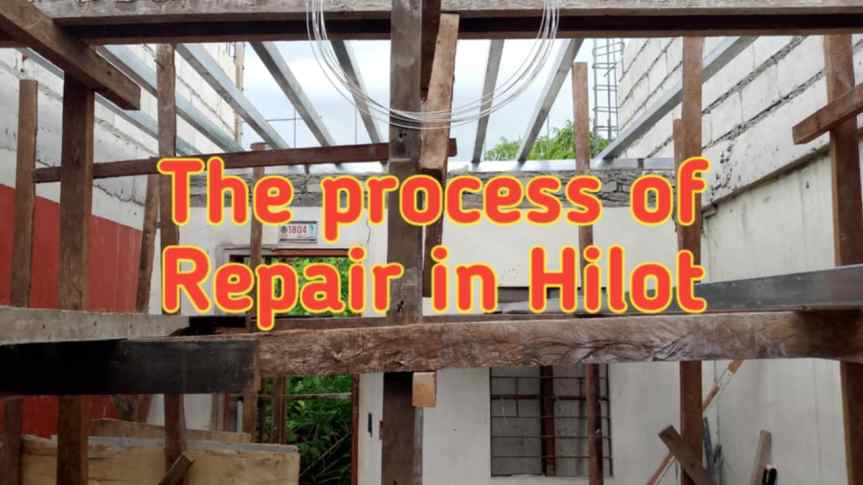
The process of Repair

The Space where I stay already have existed for 24 years already, and through the time it has keep us safe and was able to do activities such as doing our community Hilot. And lately, it started to tear down and when it rains or if there is a strong typhoon, water droplets fall in our ceiling. It is very inconvenient.

So, this year, we raise fund so that we could do some house repair and renovate the whole space where we are staying. I decided to make a loft that will serve as our bedroom. So that the whole ground floor can be an activity area where I can accommodate people that seeks for Hilot.

Last September 30, 2024- we started to make renovations. The thinking of making our house look new again is very exciting but what I am thinking is the End Goal already. But when it already started, the construction workers started to remove old materials in my house and somewhat destroy old materials so that they could rebuild something new. Well, I am trusting these process that is happening now, as I know best result will Suprise me in the end.

Just like in Hilot, you come to be fixed because you know to yourself that there is something that is broken within you. During the treatment process, you feel pain rather than pleasure. Process of repair undergo 2 types of pain which is the destructive pain and the constructive pain.

But the destructive pain in Hilot is not like the pain that will totally harm you. I remember Ate Olivia Mir, once asked me during her Hilot Daloy Training in California if I am doing bone setting. Well, jokingly I said to her that I am doing bone breaking first, so that I could do Bone Setting. But that was a joke. What I really saying is that the process of repair. The person must be broken first before repair could be done. And that is what our Grandparents do, whenever they are sick, they come to Hilot for Repair. Unlike this present time, people have thought Hilot as Massage, they come for relaxation. But real Hilot is Painful on which it destroys old patterns and construct new patterns that will lead into optimum health and wellness.

This is the main reason of the existence of Hilot Academy of Binabaylan which is to preserve the Authentic Hilot Tradition. Because there are many Hilot Schools right now, not only in the Philippines but also in foreign countries that teach Hilot as Relaxing Massage. But Hilot is Painful, and I remember Sassy who is a Mexican American friend in California says that is a good pain on which she remembers her grandmother healing her when she was a child.

Catching up with our people

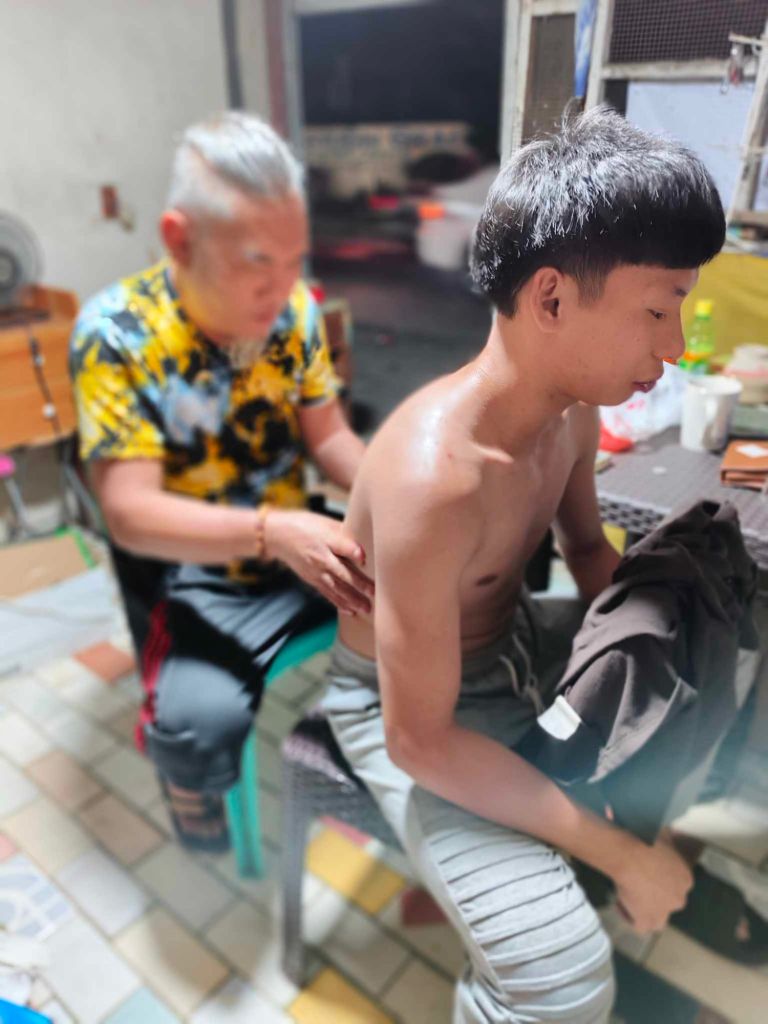
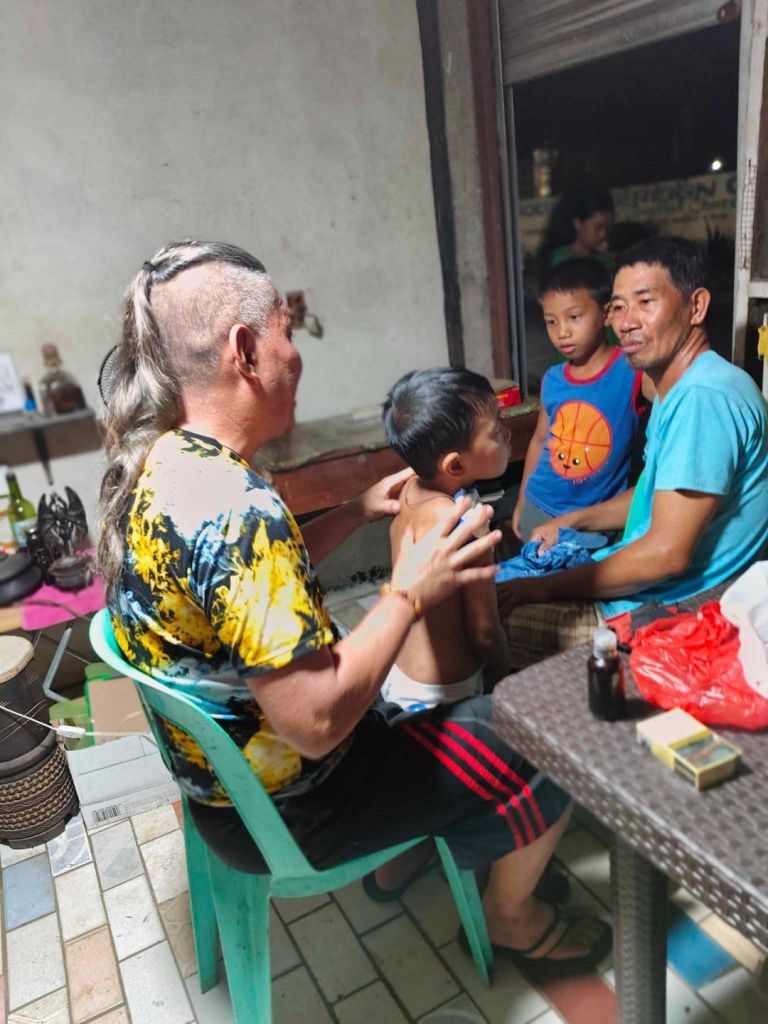
Its been more than a month that I left my community in Phase A, Brgy. Francisco Homes Narra. I came back to the Shrine last Monday and had dinner with my siblings as a Home Coming.

Then yesterday, I had an online meeting with a company that invite us for a retreat on February 2025. And today, i thought was just an ordinary day but to my surprise as the sun setting down this had happened.

These people really missed me and have said that they always check on me if I will open up the Shrine as they need healing hands of Hilot.

Tolerating Emotional Pain

Pain is usually indicates the presence of an illness to a person. But be reminded that it is just only one of the many signs of illnesses that we need to verify. Usually, Heartache is also a sign of illness whether it comes from Physical illness or emotional illness. But most of Filipino do endure Physical and Emotional pain.

I remember my teacher at School of Alternative Medicine have taught us, Dr. Reuben M. Galang Jr., that anything that give us limitation is a sign of an illness. But that statement is very wide to understand. But in terms of the capacity of an individual to exercise life such as movement and actions of the Physical body, that is where we are directed to look out for limitations. That is why we are taught to assess Physical Body Range of Motion. But in my personal practice of Filipino Indigenous Traditional Medicine, the limitation in exercising and enjoying life does not only be seen in Physical Body but also in their mental and emotional body. Though, we observed that many Filipino have High Tolerance in Pain that they can endure the situations they have just to obtain what they want to achieve in their life. And that is enduring Physical Pain. They wont stop unless they will fall down and not able to stand up again.

Sometimes, in their life they will just ignore emotional and mental pain or illness. What matter’s to them is to have a means how to earn money to buy for their food and support their family. But what they did not realize is, this kind of tolerance of having emotional pain due to betrayal of ones partner affects how they interact with other people and how they work. Keeping the past painful memories like betrayal makes it a negative energies or as old pinoy would say as evil spirits that make them suffer by having usog, bati or even kulam. Even though, this person have claimed that he was healed before by a magtatawas, there is still residue of negative energies that make him bounded in a chain of past memories that inflict him that also affects the lives of his children.

Mental and Emotional Illness is hard to deal if the person is not willing to be freed from the chain of negative memories. This person needs to be cleansed not only in its physical aspect but also in his mental and emotional state that may improve his social aspects in life.

Pre Hilot treatment tips

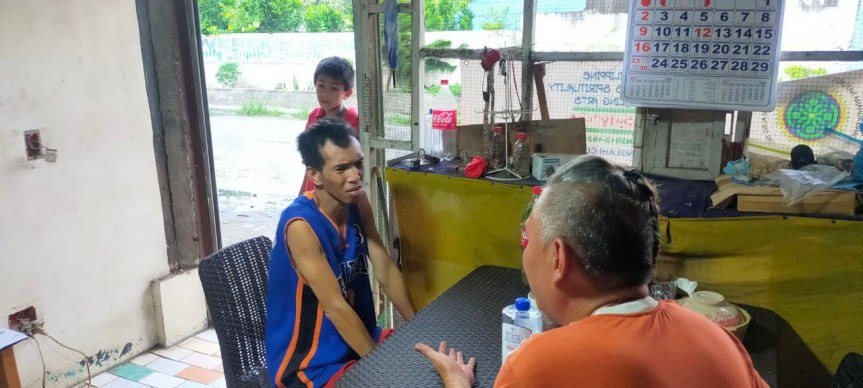
Unlike spa, the client choose what kind of treatment they want to have. But in Hilot, we as specialist are the one who decide which treatment our client should have. But how do we determine which Hilot Treatment we should provide for our client? And that is through our Hilot Diagnostic Procedures.

As Manghihilot, we know that there are only 2 types of illness and that is the spiritual illness and the physical illness. So, how do we determine if the client has physical illness or a spiritual illness?

We can determine this through finger alignment method. If the finger is not aligned we know that there is a spiritual cause of an illness from there we will investigate which elemental spirits that affects the client then we perform tawas diagnosis.

After we perform the tawas ritual we will give our personal remarks or observation on the tawas then we will ask the client to give feedback so that we can make analysis. After we analyze we will give our recommendation and ask the client for consent for the treatment procedures we plan to perform for them.

If the illness is caused physically after finger alignment we will do pulse reading analysis and we will give our remarks and recommendation and ask consent if we could perform to the client the treatment plan we have to help them restore their well being.