Hilot, the ancient Filipino art of healing, is steadily gaining global recognition as a powerful modality for wellness and spiritual restoration. As more people seek natural and culturally rooted approaches to health, Hilot stands out as a sacred tradition that bridges body, mind, and spirit.
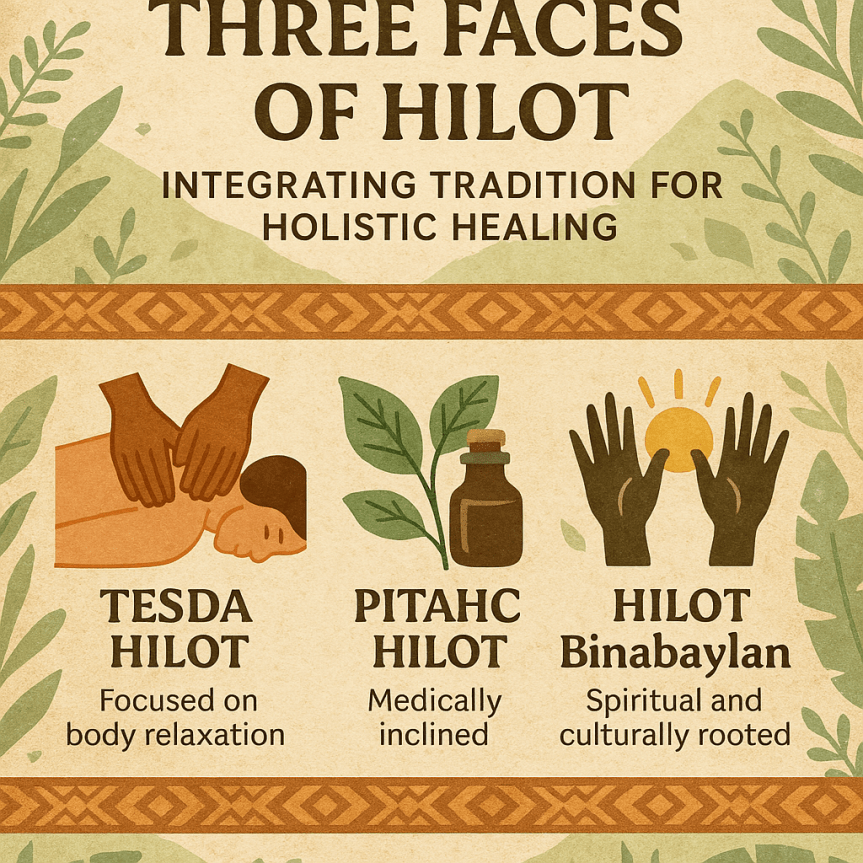
At the Hilot Academy of Binabaylan, we honor the richness and diversity within this practice. Through years of study and experience, we have identified three distinct expressions of Hilot, each serving a unique purpose in the journey toward holistic well-being:
1️⃣ TESDA Hilot
This form of Hilot is widely taught through the Technical Education and Skills Development Authority (TESDA) and focuses primarily on physical relaxation and massage therapy. It is designed to relieve stress, promote circulation, and support general wellness through touch and bodywork.
2️⃣ PITAHC Hilot
Recognized by the Philippine Institute of Traditional and Alternative Health Care (PITAHC), this approach integrates Hilot into the realm of complementary and alternative medicine. It is medically inclined, emphasizing diagnostic techniques and therapeutic interventions that align with traditional healthcare systems.
3️⃣ Hilot Binabaylan
This is our sacred path—Hilot Binabaylan—a culturally and spiritually rooted practice that draws from indigenous Filipino wisdom. It involves rituals, connection with nature, and ancestral guidance to heal not just the body, but also the soul. It is a spiritual calling that honors the sacred relationship between healer, patient, and the unseen forces of life.
🌺 A Gathering of Healing and Unity
On October 5, 2025, we will host a special gathering to celebrate and acknowledge these three expressions of Hilot. This event is not about division, but integration—recognizing that each form of Hilot contributes to a greater whole. When combined, they offer a comprehensive and deeply transformative healing experience.
Rather than contradicting one another, these approaches can be harmonized to provide optimum benefits for those we serve. Whether through physical touch, medical insight, or spiritual connection, Hilot remains a living tradition that continues to evolve and empower.
✨ Let us unite in honoring our heritage and empowering our future through the sacred art of Hilot. ✨
The Philippines, a tropical archipelago, experiences only two distinct seasons—the Dry Season and the Wet Season—unlike countries above and below the equator that enjoy four.
Dry Season: November to May
Wet Season: June to October
These seasons are largely influenced by monsoon winds:
Amihan (Northeast Monsoon): Brings cooler air and less rainfall, typically from November to February.
Habagat (Southwest Monsoon): Brings warm, moist air and heavy rains, usually from June to October.
You might notice that March to May isn’t covered by either monsoon. This period is known as the Inter-Monsoon Period, which marks the Philippine summer. During this time, another wind system called the Easterlies—part of the global trade wind system—blows from the Pacific Ocean toward the eastern parts of the country, contributing to hot and humid weather.
🌧️ What Happens During the Habagat Season?
As of this writing, we are in the Habagat season, when typhoons are more frequent. The wind blows from the southwest to the northeast, carrying warm, moist air from the Indian Ocean and the South China Sea. This results in:
Heavy and frequent rainfall
Thunderstorms and typhoons
High humidity and cloudy skies
Flooding, landslides, and increasingly, storm surges
🩺 Common Health Risks During Habagat
The wet conditions during the Habagat season create an environment that fosters several illnesses. Here are the most common health risks:
🦟 1. Dengue Fever
Cause: Mosquito bites (Aedes aegypti)
Why it spreads: Stagnant water from floods becomes breeding grounds for mosquitoes
Symptoms: High fever, rash, muscle and joint pain, bleeding
💧 2. Waterborne Diseases
Caused by contaminated water due to flooding and poor sanitation:
Cholera: Severe diarrhea and dehydration
Hepatitis A: Jaundice, fever, abdominal pain
Typhoid Fever: High fever, weakness, stomach pain
Prevention: Boil drinking water, maintain proper hygiene, and dispose of waste properly
🐀 3. Leptospirosis
Cause: Contact with floodwater contaminated by rat urine
Symptoms: Fever, muscle pain, vomiting; severe cases may lead to kidney or liver damage
Prevention: Avoid wading in floodwaters; wear protective boots if necessary
🤧 4. Influenza-like Illnesses
Cause: Viral infections spread in crowded, damp environments
Symptoms: Fever, cough, sore throat, body aches
Prevention: Practice good hygiene, avoid crowded places, and maintain proper nutrition
Stay safe and informed during the Habagat season. Understanding the weather patterns and health risks can help you prepare and protect yourself and your family.
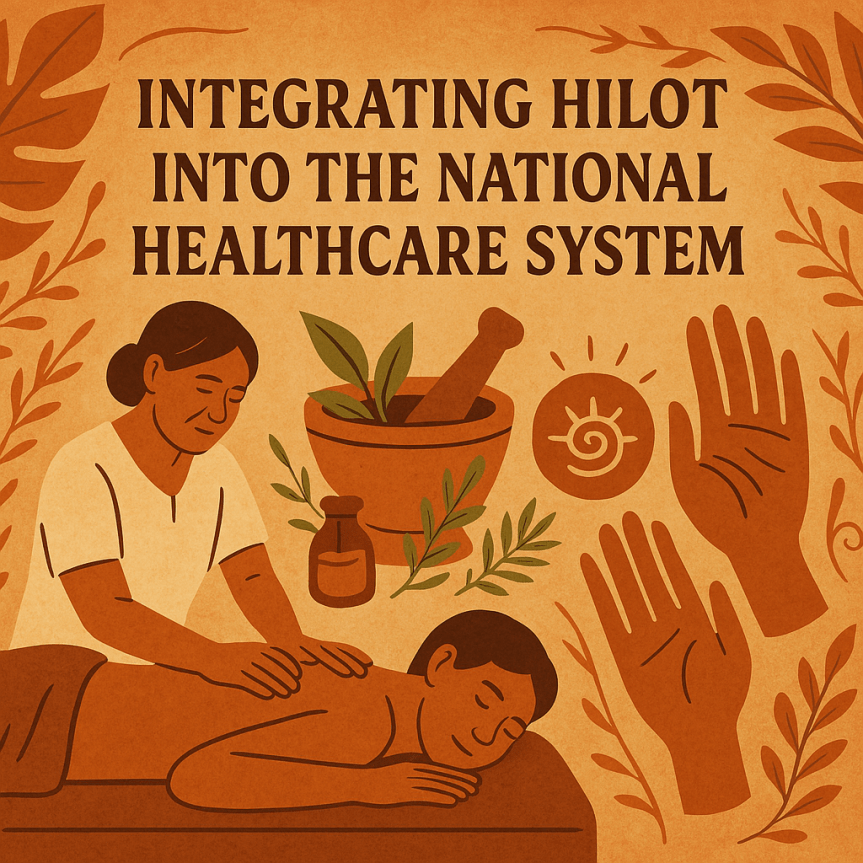
In the heart of Filipino culture lies a healing tradition that predates modern medicine—Hilot. More than just a massage, Hilot is a holistic approach to wellness that addresses the body, mind, and spirit. As the Philippines continues to modernize its healthcare system, there is a growing movement to reclaim and integrate Hilot into the national healthcare delivery system.
🏛️ A Legal Foundation: RA 8423
The integration of Hilot is not just a cultural aspiration—it is supported by law. Republic Act No. 8423, also known as the Traditional and Alternative Medicine Act (TAMA) of 1997, mandates the promotion and integration of traditional and alternative healthcare practices into the national health system. This law led to the creation of the Philippine Institute of Traditional and Alternative Health Care (PITAHC), which now oversees the certification and regulation of traditional healers, including Hilot practitioners.
🔍 Understanding the Types of Hilot
There are three primary streams of Hilot practice in the Philippines:
Hilot Binabaylan: Rooted in indigenous spirituality, this form of Hilot is passed down through oral tradition and spiritual calling. It involves rituals, energy healing, and ancestral wisdom.
TESDA Hilot: Offered as a vocational course under TESDA, this version focuses on massage therapy and wellness, preparing practitioners for work in spas and wellness centers.
PITAHC Hilot: Recognized by the Department of Health, this form integrates traditional diagnostic and healing methods with public health services, emphasizing herbal medicine, community wellness, and preventive care.
🌀 A Framework for Integration
To fully integrate Hilot into the national healthcare system, a structured approach is essential. Here’s a five-phase model:
1. Diagnostic Phase
Recognize Hilot’s traditional diagnostic methods—such as pulse reading and energy assessment—as complementary to biomedical diagnostics, especially in rural health units.
2. Cleansing Phase
Train Hilot practitioners to offer non-invasive cleansing techniques like pahid, tuob, and ventosa in barangay health centers as part of wellness and preventive care.
3. Repair Phase
Allow certified Hilot practitioners to provide therapeutic massage and herbal remedies under DOH supervision, in collaboration with PITAHC-recognized healing centers.
4. Strengthening Phase
Mobilize Hilot practitioners to lead community herbal gardens and ethnobotanical documentation, in partnership with LGUs and the Department of Agriculture.
5. Maintenance Phase
Empower Hilot practitioners to serve as health coaches, teaching traditional wellness practices, nutrition, and stress management in barangay health education programs.
🤝 Policy and Institutional Support
PITAHC’s Circular No. 01, s. 2016 provides a clear pathway for:
Certification of Hilot practitioners
Accreditation of Hilot training and healing centers
Integration into public health services
With the legal and institutional framework in place, what’s needed now is community support, local government action, and national recognition of Hilot’s value in building a healthier, more culturally grounded Philippines.
📣 Final Thoughts
Integrating Hilot into the national healthcare system is more than a policy move—it’s a cultural revival. It honors our ancestors, empowers our communities, and offers a holistic path to wellness that is uniquely Filipino.
When we start Hilot Academy of Binabaylan on 2016, I know from that time that our Hilot will be different from what the people know about it and even on how the Philippine Government promote it to the Public. I would say that our Hilot reflects the vision of my Teacher, Dr. Rueben M. Galang Jr., MD who is the founder of the School of Alternative Medicine at St. Francis Divine College in Novaliches, Queson City that he says:
The power of Health to the hands of the People and one manghihilot in every Filipino Home.
In the Philippines, we have approximately 116.79 million as our total population this 2025 and if the average household compose of 4 to 5 persons, then we will have approximately 28.5 million families. And aside from the Philippines Filipino can also be found in the United States of America, which according to the U.S. Census Bureau, there are approximately 4.45 Million Filipinos living in USA especially in:
California that has 1,705,090 Filipinos
Hawaii that has 369,479 Filipinos
Texas that has 231,992 Filipinos
Washington that has 194,965 Filipinos
Nevada that has 184,225 Filipinos
Florida that has 178,012 Filipinos
Illinois that has 174,442 Filipinos
New York that has 160,566 Filipinos
New Jersey that has 152, 507 Filipinos
Virginia that has 119,497 Filipinos
Though this map only shows the number of Filipino that can be found in the United States of America, this will also serve as our road map in reaching out to our Kababayan in remembering our Indigenous Healing Arts and Science. Mostly Filipinos in United States of America are immigrants and either 2nd to 3rd Generation Filipino American.
Next to the United States of America, there are also large Filipino Community that can be found in the Kingdom of Saudi Arabia mostly Overseas Filipino Worker that works in Construction Firm, Health Care and House Hold Services. In general, there are 898,014 Filipinos in the entire kingdom that can be distributed on the following provinces:
Riyadh there are approximately 250,000-300,000 Filipinos
Jeddah there are approximately 150,000 – 200,000 Filipinos
Al Kobar and Dammam (Eastern Province) there are approximately 120,000- 150,000 Filipinos
Mecca and Medina there are approximately 50,000 – 70,000 Filipinos
Filipino workers in Saudi Arabia are increasingly diversified, with many now employed in private sector jobs, including healthcare, education, retail, and even small business ownership.
Next will be in Canada which many Filipinos have Migrated for permanent residency, work and Education. It is estimated that there are around 1 million Filipino migrated in Canada which is shown below:
Ontario: There are 363,655 Filipinos
British Columbia: There are 216,710 Filipinos
Alberta: There are 174,280 Filipinos
Manitoba: There are 94, 320 Filipinos
Saskatchewan: There are 43,760 Filipinos
Quebec: There are 44,880 Filipinos
Nova Scotia: There are 6,615 Filipinos
New Brunswick: There are 5,190 Filipinos
Newfoundland and Labrador: There are 2,265 Filipinos
Yukon: There are 1,945 Filipinos
Northwest Territories: There are 1,665 Filipinos
Prince Eduard Islands: There are 1,760 Filipinos
Nunavut: There are 310 Filipinos
Fourth in our list is the United Arab Emirates where there are significant numbers of Overseas Filipino Workers which approximately in 700,000 making up 6.8% of the country’s population.
In Dubai, there are already 450,000 Filipinos which roughly accounts to 21.3% of Dubai’s population. Filipinos here work in hospitality, healthcare, retail, construction, and other service industries.
Abu Dhabi: Estimated ~150,000 Many are employed in government services, oil and gas, and education.
Sharjah, Ajman, and other emirates: ~100,000 combined These areas host Filipinos working in manufacturing, logistics, and domestic services.
Next is in Japan, where Filipinos work in caregiving, entertainment and technical fields. There are many Filipino Japanese Families. Approximately there are 341,518 Filipinos Living in Japan.
As shown, the largest Filipino communities are in:
Tokyo (~72,000)
Aichi (~42,000)
Kanagawa (~39,000)
Osaka (~36,000)
Saitama (~31,000)
Nest to Japan is Australia which has a growing population of Filipino, especially in Sydney and Melbourne due to skilled migration and education. Approximately 361,860 Filipino-born people living in Australia, making them the fifth-largest migrant community in the country. This represents about 1.4% of Australia’s total population.
State/Territory
Filipino-born Population
New South Wales (NSW)
98,510
Victoria (VIC)
75,480
Queensland (QLD)
60,360
Western Australia (WA)
35,120
South Australia (SA)
18,740
Australian Capital Territory (ACT)
4,880
Northern Territory (NT)
2,800
Tasmania (TAS)
1,700
After Australia we are also in the United Kingdom on which Filipinos work in healthcare, especially as nurses and caregivers. As of 2025, there are approximately 165,000 to 200,000 Filipinos living in the United Kingdom
Filipino citizens: Around 40,000 officially registered in municipal records
Filipino-born residents: Estimated 57,498
Spanish citizens of Filipino ancestry: Making up the rest of the estimated total
🇪🇸 Filipino Population by Region
Here’s a breakdown of Filipino citizens by region:
Region
Filipino Population
Community of Madrid
17,471 (43.39%)
Catalonia
12,239 (30.40%)
Andalusia
3,372 (8.37%)
Balearic Islands
2,357 (5.85%)
Canary Islands
1,782 (4.43%)
Valencian Community
1,011 (2.51%)
Filipinos in Spain are active in sectors such as domestic work, caregiving, hospitality, education, and healthcare, and many are long-term residents or descendants of earlier migrants due to historical ties between the Philippines and Spain.
Through these, we envision to reach out all Filipino in Diaspora and call them back to walk to the Path of our Race on which Hilot can be a doorway in reconnecting them back to their ancestral root by embracing our own heritage and culture.
In our Code of Ethics, we have mentioned that we are Healthcare providers whose goals consist of prevention of premature death and disability, maintenance or improvement of life, maximization of personal growth and development, and preparation for a good death.
As a manghihilot, our role is not to promise a long life to our patients. Instead, we offer something deeper—we help them embrace life fully, with all its challenges and transitions. We guide them to find comfort, meaning, and joy in every moment, no matter how difficult.
We do not see death as an enemy to be fought. Rather, we recognize it as a gentle guide—one that reminds us to live with purpose, to cherish our relationships, and to find peace in the present. In our healing practice, death is not the end, but a companion that helps us appreciate the beauty of life.
“It has been taught to us as Manghihilot, our role in caring is from the time of conception to the moment of transition from this plane of existence to the next life.”
In our tradition as Manghihilot, healing is not just a profession—it is a sacred calling. We are taught that our responsibility begins at the very start of life, even before birth, and continues until the final breath. Our care spans the entire human journey, from conception to transition, from the womb to the world beyond.
More Than Healing the Body
Our work is not limited to treating physical ailments. We are called to listen deeply—to the body, the spirit, and the emotions. We understand that true healing involves the whole person, and that pain can come not only from the body, but also from the heart and mind.
Honoring Life and Death
As Manghihilot, we do not fear death. We do not see it as something to fight or avoid. Instead, we recognize it as a natural part of life’s sacred cycle. We walk with our patients through every stage of life, including the final one, offering comfort, peace, and dignity.
A Tradition That Evolves
Our practice is rooted in the wisdom of our ancestors, but it is not stuck in the past. We continue to learn, grow, and adapt—bringing Hilot into the modern world while staying true to its spiritual essence. We believe that healing is a lifelong journey, and our presence is a gift of love and service from beginning to end.
Recently, a graduate of the Hilot Academy asked me whether we have any documented cases involving palliative care or end-of-life care within the practice of Hilot. Regretfully, I had to respond that we do not. The graduate pointed out that other traditional healing modalities have such documentation, while Hilot appears to lack it.
This absence is not due to a lack of experience or wisdom among Manghihilot, but rather a reflection of how our tradition has been preserved. Most Manghihilot have not been formally educated in colleges or universities. Their knowledge is deeply rooted in oral tradition and lived experience. They act rather than write. Their learning is carried in the mind and heart, passed down through narration and demonstration, not through modules or modern training materials.
This way of transmission is sacred and powerful, but it also means that much of our healing work remains undocumented. As we move forward, perhaps it is time to begin bridging the gap—honoring our oral traditions while also finding ways to preserve them in written form, so that future generations may continue to learn, grow, and share the wisdom of Hilot.
“In the sacred silence between life and death, the Manghihilot does not surrender—he pleads, he prays, and he offers his soul in service, asking for one more chance to heal.”
For the sake of documentation, I want to share a personal experience on how I, as a Manghihilot, have cared for a dying patient.
First and foremost, it is never our intention for a patient to die under our care. If that were the case, why would we devote time, energy, and spirit to preserving life? Our role is rooted in the belief that life is sacred and worth fighting for—even in its most fragile moments.
When a patient is facing a serious illness, it may seem that death is near. But as Manghihilot, we do not simply accept this. Instead, we plead with death—asking it to grant the patient another chance to live. It is a spiritual negotiation, a bargaining of life with death.
And if death allows the patient to stay, a promise must be made and fulfilled. This promise is not just a ritual—it is a sacred commitment to honor the life that was spared. In this way, our healing practice becomes not only physical but deeply spiritual, rooted in reverence for both life and the mystery of death.
“In the quiet moments before farewell, the Manghihilot becomes not just a healer—but a guide, preparing the soul for its sacred journey home.”
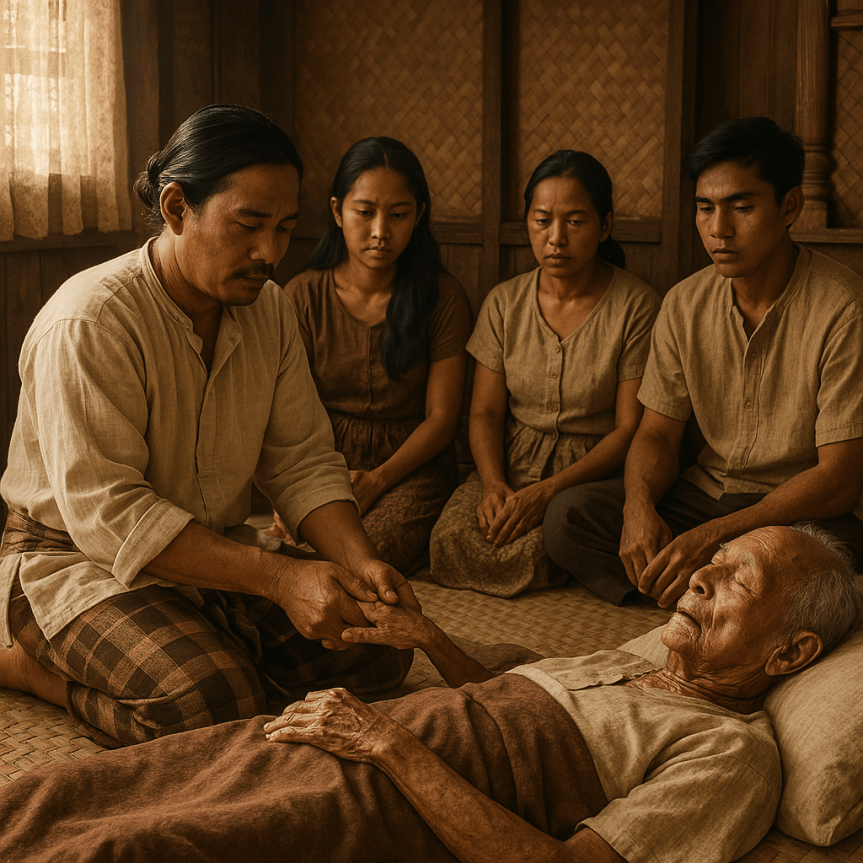
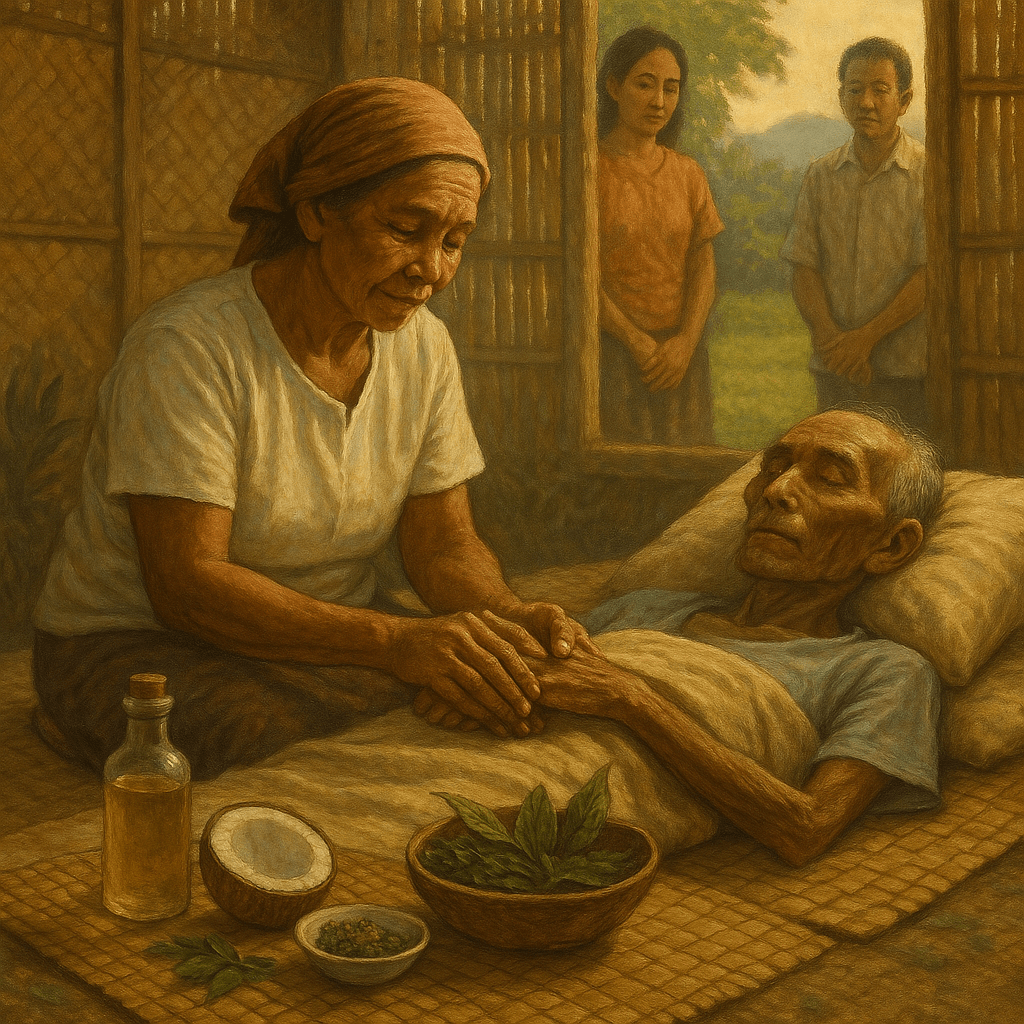
I remember my 80-year-old neighbor, Tata Piyo, who was undergoing dialysis for a kidney condition. His daughter, Ate Belen, came to me one day and asked for help in caring for her father. Despite his age and fragile condition, we chose to fight for life. As a Manghihilot, I did everything I could to ease his suffering—applying hilot pahid to relieve his pain, performing suob and paligo, and even designing a special diet to support his condition.
One day, Tata Piyo was in great pain. Ate Belen rushed to my house, asking me to attend to him. When I entered his bedroom, he looked at me and said in Tagalog, “Ihatid mo na ako.” I responded in a light-hearted way, “Where do you want me to send you? Don’t worry, when you regain your strength, we’ll go to Jollibee.” He laughed, gathering all his remaining strength, and replied, “Hindi, ihatid mo na ako sa ating Ama sa langit.”
I wasn’t prepared for those words. But I kept my composure and gently asked Ate Belen to call the rest of the family. I told them that Tata Piyo was asking to rest, and that the decision must come from them—not from me.
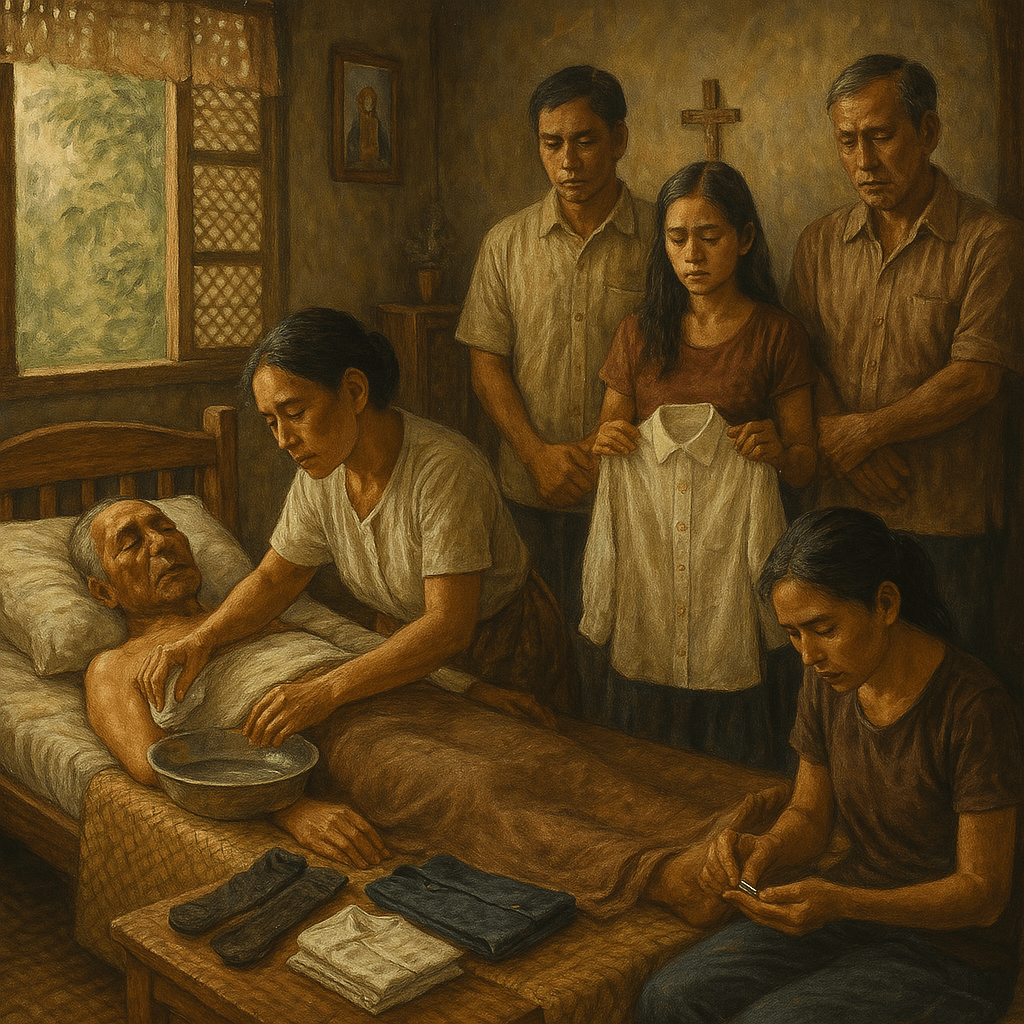
Together, we discussed whether to continue fighting for his life or to let him go peacefully. The family, acknowledging his age, his weakened body, and their readiness to accept his passing, decided to let him go. They remained composed, not wanting Tata Piyo to see them cry.
Everyone began preparing his clothes—underwear, socks, pants, t-shirt, and barong. I clipped his fingernails and toenails and gave him his last bed bath, ensuring he was clean and dignified for his journey.
At exactly 6:00 PM, Tata Piyo took his final breath.
This experience reminded me that as Manghihilot, our care extends beyond healing—it reaches into the sacred space between life and death. We do not just treat the body; we honor the soul. And in moments like these, we become witnesses to the most profound transitions of life.
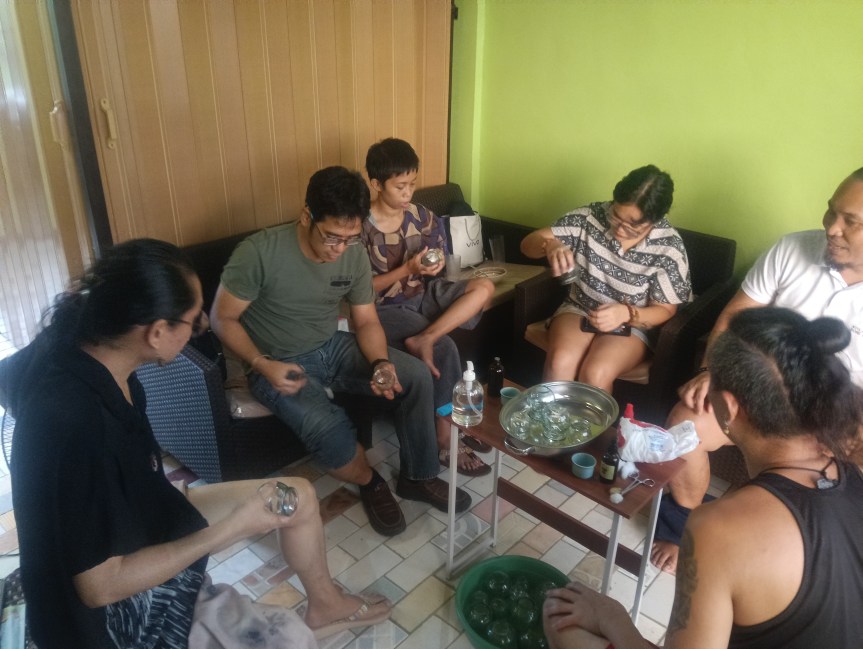
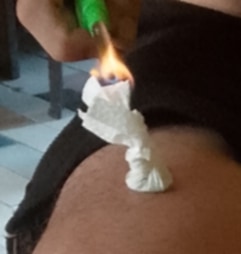
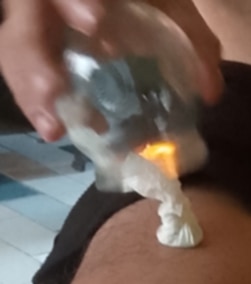
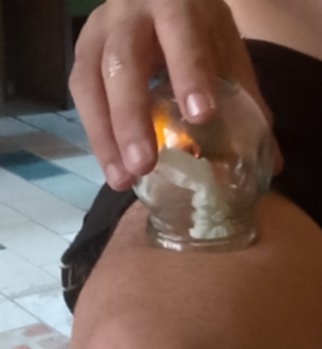
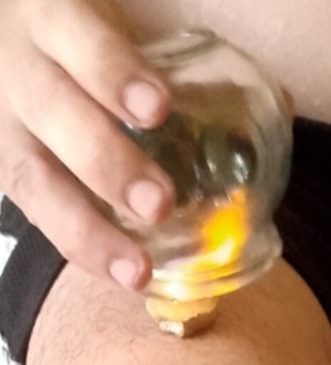
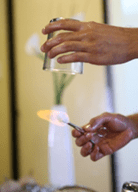
Last May 18, 2025- we have shared to our Hilot Binabaylan Alignment Trainee the Hilot Treatment which everyone knows as Bentusa Fire Cupping. Everyone had the opportunity to place bentusa cup on their own skin by sharing different methods on how to apply it. What I emphasize how to make vacuum using fire.
Coin and Paper Method
In this procedure, the manghihilot prepare an old coin and tissue paper. Then wrap the tissue paper along the old coin. The coin will serve as a stand and place it on the area you are to place the bentusa cup. then burn the paper and as it burn carefully place the bentusa cup in order to create vacuum to suck the skin.
2. Cotton and Ginger Method
In this procedure, you will need to slice a ginger which is wide enough to fit the mouth of our bentusa cup. Then soak a piece of cotton to 70% ethyl alcohol (which I prefer to recommend rather than Isopropyl alcohol). Then place the ginger slice on the area where you are going to place the bentusa cup and the soaked cotton. After that light it on fire and gently place the bentusa cup on the area to be treated.
DISADVANTAGE OF PAPER AND GINGER METHOD
Aside from safety concerns, the burnt paper or cotton placed over the area will produce smoke. That will be trapped inside the bentusa cup when it already created a vacuum or reverse pressure. It is said that burning tissue paper releases several chemicals including carbon dioxide and carbon monoxide which both contribute to air pollution. additionally, burning paper can produce dioxins, which are highly toxic and can have harmful effects on human health and the environment.
While burning soaked cotton on 70% Ethyl Alcohol have a health hazards such as:
Respiratory Issues – Inhaling the fumes can cause irritation to the lungs, leading to coughing, shortness of breath, or dizziness. Prolonged exposure may contribute to respiratory damage.
Skin and Eye Irritation – Ethyl alcohol and its combustion byproducts can cause skin irritation or eye discomfort, especially if direct contact occurs.
Toxic Exposure – Incomplete combustion can release carbon monoxide (CO), which is highly toxic and can lead to headaches, nausea, or even unconsciousness in high concentrations.
Carcinogenic Risk – Burning organic materials may produce aldehydes and volatile organic compounds (VOCs), some of which have been linked to long-term health risks
Neurological Effects – Exposure to high concentrations of ethanol vapors can cause dizziness, confusion, or impaired coordination
Health Hazards of Burning Tissue Paper.
Burning tissue paper can pose several health hazards, including:
Respiratory Issues – The smoke contains fine particles and harmful gases that can irritate the lungs, leading to coughing, shortness of breath, and asthma.
Carbon Monoxide Poisoning – Incomplete combustion releases carbon monoxide (CO), which can cause dizziness, headaches, and even unconsciousness in high concentrations.
Toxic Chemical Exposure – Burning paper can release dioxins, sulfur dioxide, and volatile organic compounds (VOCs), which may contribute to long-term health risks.
Skin and Eye Irritation – The smoke and ash can cause eye discomfort and skin irritation, especially in enclosed spaces.
Carcinogenic Risk – Some chemicals released during burning, such as polycyclic aromatic hydrocarbons (PAHs), have been linked to cancer.
There are other methods which Manghihilot employ in order to place the Bentusa Cups over the body but the one that Hilot Academy recommend is the Torch Method. In this method you will need a forceps, cotton, 70 % Ethyl Alcohol, Kidney Basin, Lighter or lighted candle. Before you place the bentusa cup over the body, be sure to lubricate it with Lana healing oil. Then soak the cotton with 70 % Ethyl Alcohol clipped with a forceps then put it in fire then place it inside the bentusa cup which is positioned near the area to be treated and manually place the cup over the area to be treated.
Since the torch method also involve burning of cotton which has biochemical health hazards, let us explore other form of bentusa cupping.
Though using Plastic Bentusa cups does not burning paper or cotton, it still has health hazard because of the plastic meterials being used. So, here are its health hazards:
Chemical Leaching – Some plastics contain Bisphenol A (BPA) and phthalates, which can leach into the skin when exposed to heat, potentially disrupting hormones.
Microplastic Exposure – Over time, plastic cups may release microplastics, which can be absorbed by the body and may contribute to inflammation and toxicity.
Skin Irritation – Certain plastics may cause skin reactions, especially if they contain chemical additives that interact with heat or oils.
Reduced Effectiveness – Plastic cups may not create a strong vacuum compared to glass or silicone, leading to less effective therapy.
Environmental Impact – Disposable plastic cups contribute to plastic waste, which can harm ecosystems and increase exposure to pollutants.
So, if all of these have health hazards, what other material we can recommend using?
But before we go further, bentusa has primary purpose of stimulating blood flow, relieving muscle tension and promote healing. Other health benefits of having bentusa are the following:
Thats how powerful bentusa can be specially paired with Hilot Pahid or Massage.
In the video above, we have seen that the material being used for cupping is Carabao horn. This kind of cupping treatment is known as Tandok,though it seems similar to Bentusa, it has different purpose which is to remove venom, rabies and tetanus from wound using animal horn, such as those from deer, goat or carabao.
It is said that Tandok has the following health benefits for the receiver of the treatment:
Detoxification – Practitioners believe it helps remove toxins from the body.
Pain Relief – Some claim it alleviates muscle pain, arthritis, and joint stiffness.
Improved Circulation – The suction effect may stimulate blood flow Removing blood may stimulate the production of new red blood cells, potentially improving circulation
Traditional Healing – Used in rural areas where modern medicine is less accessible.
Iron Regulation – Bloodletting can help reduce excess iron levels in the blood, which may be beneficial for individuals with hemochromatosis.
Lower Blood Pressure – Some studies suggest that donating blood regularly may help maintain healthy blood pressure levels.
Detoxification – Traditional practitioners believe bloodletting helps remove toxins from the body.
Migraine Relief – Some historical accounts suggest bloodletting was used to alleviate headaches and migraines.
TAWAK
We could say that Tawak is the mother of all these treatment method that requires suction. This treatment involve direct suction by the mouth of a traditional medicine practitioner known as mananawak, to remove venoms, toxins or infections from wounds caused by animal bites. But these technique or treatment method also has been used by poor people who has no money to send their children to proper medical care facility to remove mucus from their infant child by directly sucking the mucus that obstruct the passage of air to provide relief.
Uses and Beliefs
Practitioners believe Tawak can help extract poison from snake bites, rabies from dog bites, and toxins from wounds.
It is often used as an alternative to modern medical treatments, especially in areas where access to hospitals and vaccines is limited.
Some communities still rely on Tawak due to cultural beliefs and the high cost of medical care
Concerns and Risks
Medical experts warn that Tawak is not scientifically proven to cure rabies or venomous bites.
Direct suction can expose both the healer and the patient to infections and diseases.
Delaying proper medical treatment can lead to serious health risks, including untreated rabies, which is fatal
For 8 years, Hilot Academy of Binabaylan has been an Educational Ministery of Luntiang Aghama that aims to preserve the Philippine Indigenous Spiritual Beliefs and Practices which goes well. Since Luntiang Aghama is a Religious Corporation Sole and the health of its Chief Priest and Founder which is Rev. Rolando G. Comon or better known as Apu Adman Aghama is not stable due to having stroke last 2022; It has been decided that we establish Bahay SiAdTala Binabaylan through a resolution which you can read below:
Since from 2023, the home residence of our Deputy Chief Priest and Spiritual Healing Arts Director Lakay Magbaya Aghama in Taguig has been utilized as our Training Center for Hilot; Luntiang Aghama Natural Divine Arts Shrine of Healing Inc. has resolved to formally establish it through Charter/ Recognition and obtain its own Certificate of Incorporation to become a Judicial Personality. The main purpose of Bahay SiAdTala aside from being a Training Venue of Hilot Academy are as follows:
To assist members in Rediscovering their own Indigenous Ancestral Spiritual Lineage through Seminar, Training or Workshop.
To provide members means to Reconnect with their own Ancestral Spiritual Lineage.
To enable our Members to Relearn our Philippine Indigenous Spiritual beliefs and Practices; on which Hilot is part of that practices.
From this Resolution, Apu Adman and Lakay Magbaya Aghama becomes co trustee of Bahay SiAdTala Binabaylan.
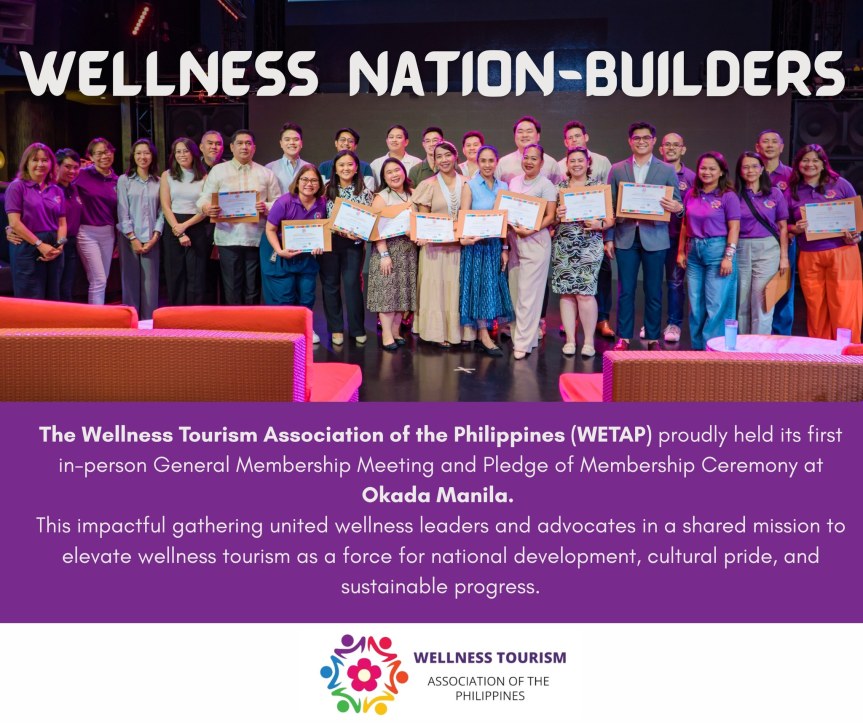
Early this year Luntiang Aghama Natural Divine Arts Shrine of Healing Inc. become an Affiliate member of the Wellness Tourism Association of the Philippines that aims to promote the Philippines unique wellness offerings, skilled professionals and evidence-based wellness experience. As they envisioned that by 2028, Wellness Tourism playing a vital role in nation building, generating significant tourism revenue and providing dignified, gender-equal job opportunities.
Though WeTap is a mundane organization and Luntiang Aghama focuses on Spirituality; As Hilot Academy’s teaching on balancing the Physical Health and Spiritual Health, we joined WeTap to have representation as we promote Authentic Filipino Brand of Wellness.
April 28, 2025 was the very first in person General Membership Meeting which at first I hesitated to attend because it was held at Okada Manila which is a luxurious hotel in the Philippines. Though there are no fee to pay since I am a member, so I come to fulfill my duty as member. For the first time I see other members of the Association and at first, I feel intimidated because all of them are not just a working professional but also a Wellness Property owners which means they are Millionaire or Billionaire. But I reminded myself for my reason in joining the organization which its not my ourpose to look at their pocket but to share with them the Philippine Indigenous Traditional Medicine which is our Authentic Filipino Brand of Wellness.
I am always amazed to have people in our class that have the same flow of thoughts running in their mind and the class that they are taking with us serve as an affirmation to the calling that they have and long to manifest in their life.
Hilot Academy was established on April 5, 2016, which is now celebrating our 9th Year Anniversary, which start to aim just to provide skills training that is aligned to the Standards and Regulation of Technical Skills and Development Authority (TESDA). But as time goes by, the need of preserving the knowledge of our Indigenous Traditional Medicine Practices prevails that we cut our self from any Governing and Accrediting Body that forbids some of our Healing practices which only limits the practitioner in providing Massage such as the Hilot Wellness Massage NC2 provided by Tesda accredited Training Center.
On 2020 at the time of Pandemic, the former Tourism Secretary have searched for us and ask us to help her establish Hilot School under the International School of Sustainable Tourism that is located in Silang, Cavite, Philippines. And through the effort that we exert in creating Hilot Philippines Development Center, Hilot Academy, Philippine Institute of Traditional Alternative Health Care (PITAHC), and Technical Education Skills Development Authority (TESDA) were able to have a dialogue about the scope of practices and certification of Hilot Practitioner which unfortunately, the agreed Memorandum Circular promised by former Pitahc Director General was not made due to the shuffling or change of person in authority that manage TESDA and the retirement of PITAHC Director General.
We were ambitious at the start of the new decade hoping that the work of Hilot will be recognized and be preserved by our Government Authority but to my regret, they have a blind eye and deaf hears and are convinced that Hilot is just a massage and Tawas should be excluded. Though many of their invited expert to convey the importance of Hilot in delivering health care do believe in Tawas being part of Hilot Modality, they are still bound to bow down to what the Roman Catholic Church would say specially from the Archdiocese of Manila Office of Exorcism that they gave reminder of not to teach tawas to the public as it invokes the devil in accordance to their teaching.
The Goal of lifting up the Practice of Hilot by professionalizing it has been hindered not only by modern science but also by the modern religion. The hope of calling our Manghihilot as Indigenous Traditional Filipino Medicine Doctor has been halted due to their not willingness to spend time in studying Hilot and find science on our healing modality.
As founder of Hilot Academy of Binabaylan, professionalizing our practice requires an Indepth study. This is why we do our effort to upgrade our curriculum. Our 9 days and 13 days course are just a familiarization course as many people whether Filipino or Foreigner do not know yet what is Hilot all about. But soon as we move forward to the future we can make it into a Bachelor’s degree course that is 4 years with Masteral and Doctorate Degree just like other Traditional Medicine Practices.
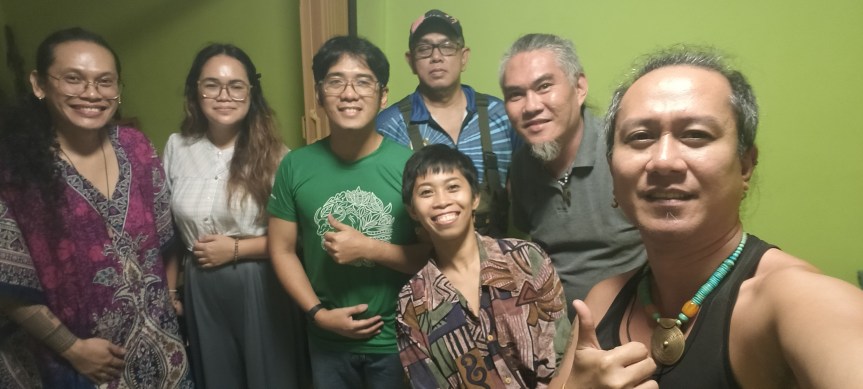
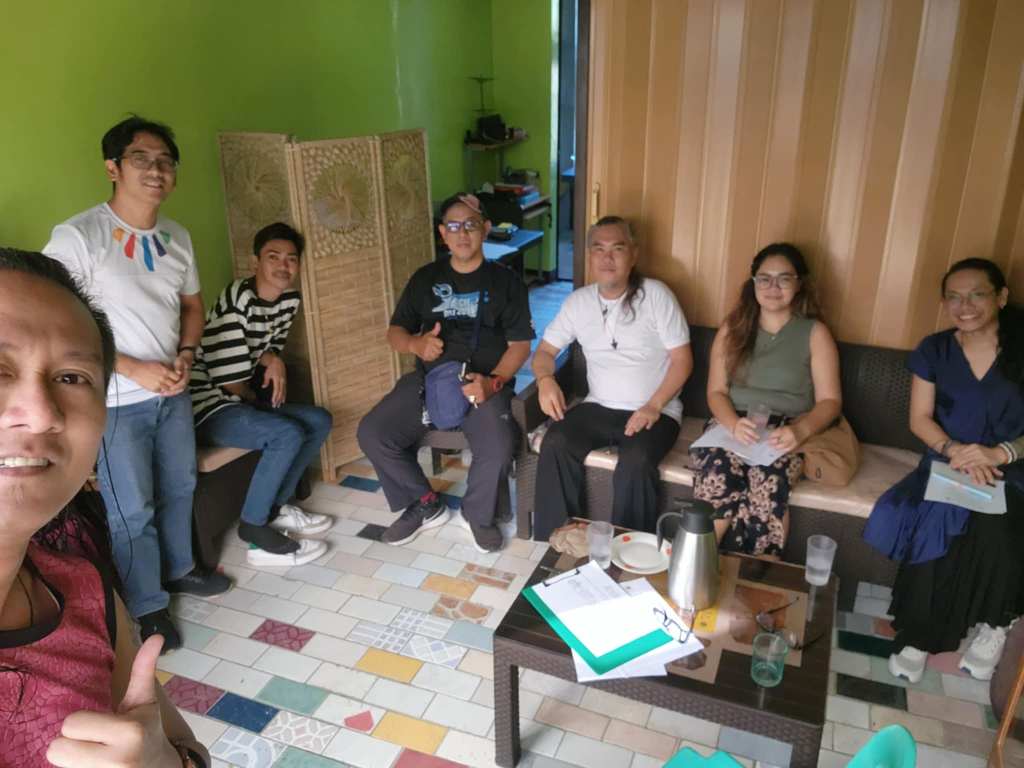
Last Sunday March 23,2025 by 1:00 PM to 6:00 PM, we have started our Hilot Binabaylan Alignment Training Program for Local Filipino that is living nearby in Luzon. Unlike our Regular Training which we only serve 1 student maximum of 3. Our Weekly learning sessions can accommodate from 4 to 10 individuals. But our current enrollee now is 4 which we have started transferring our Knowledge through Sharing.
The topics we discussed on our first day.
In Class, we have emphasized the importance of understanding the Souls of Human being as it helps us in determining how we can help our Patient to heal them.
These four individuals have their own background being a healer using different modalities and through our alignment training program we are in High Hope that we will produce local Hilot Binabaylan practitioners to serve our fellow Filipino living in the Philippines.
We are still open to accept Enrollee to be part of this class by filling up the form on this link. Our Sunday Class will start 1:00 PM and End by 6:00 PM. And the topics to be discussed on March 30 are the following:















 Hilot Academy of Binabaylan
You must be logged in to post a comment.