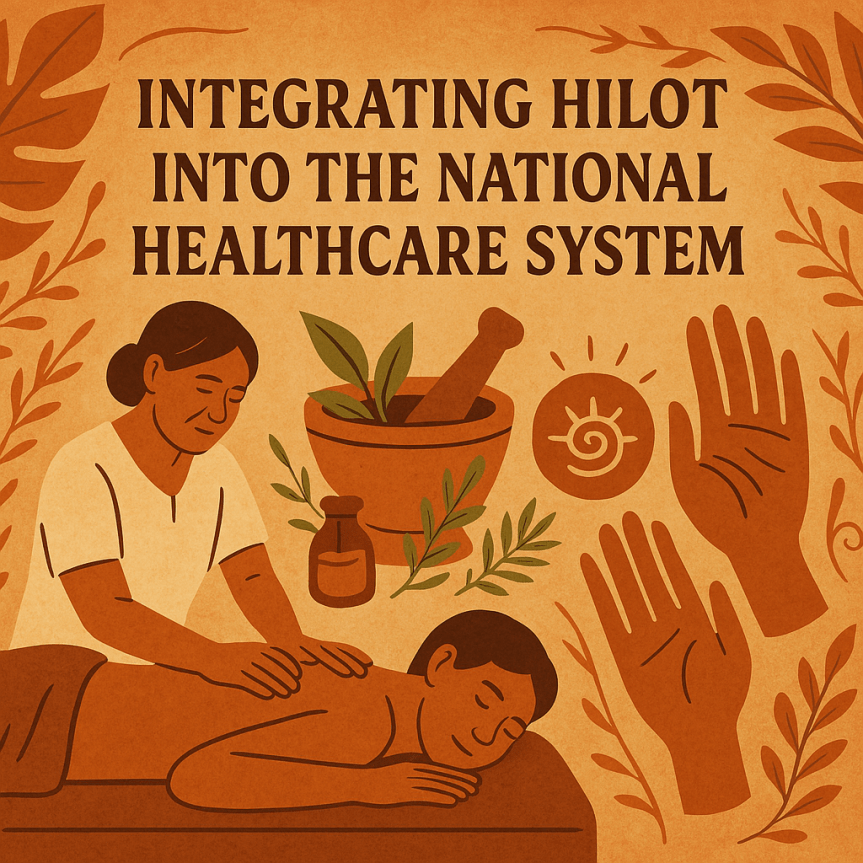
In the heart of Filipino culture lies a healing tradition that predates modern medicine—Hilot. More than just a massage, Hilot is a holistic approach to wellness that addresses the body, mind, and spirit. As the Philippines continues to modernize its healthcare system, there is a growing movement to reclaim and integrate Hilot into the national healthcare delivery system.
🏛️ A Legal Foundation: RA 8423
The integration of Hilot is not just a cultural aspiration—it is supported by law. Republic Act No. 8423, also known as the Traditional and Alternative Medicine Act (TAMA) of 1997, mandates the promotion and integration of traditional and alternative healthcare practices into the national health system. This law led to the creation of the Philippine Institute of Traditional and Alternative Health Care (PITAHC), which now oversees the certification and regulation of traditional healers, including Hilot practitioners.
🔍 Understanding the Types of Hilot
There are three primary streams of Hilot practice in the Philippines:
- Hilot Binabaylan: Rooted in indigenous spirituality, this form of Hilot is passed down through oral tradition and spiritual calling. It involves rituals, energy healing, and ancestral wisdom.
- TESDA Hilot: Offered as a vocational course under TESDA, this version focuses on massage therapy and wellness, preparing practitioners for work in spas and wellness centers.
- PITAHC Hilot: Recognized by the Department of Health, this form integrates traditional diagnostic and healing methods with public health services, emphasizing herbal medicine, community wellness, and preventive care.

🌀 A Framework for Integration
To fully integrate Hilot into the national healthcare system, a structured approach is essential. Here’s a five-phase model:
1. Diagnostic Phase
Recognize Hilot’s traditional diagnostic methods—such as pulse reading and energy assessment—as complementary to biomedical diagnostics, especially in rural health units.
2. Cleansing Phase
Train Hilot practitioners to offer non-invasive cleansing techniques like pahid, tuob, and ventosa in barangay health centers as part of wellness and preventive care.
3. Repair Phase
Allow certified Hilot practitioners to provide therapeutic massage and herbal remedies under DOH supervision, in collaboration with PITAHC-recognized healing centers.
4. Strengthening Phase
Mobilize Hilot practitioners to lead community herbal gardens and ethnobotanical documentation, in partnership with LGUs and the Department of Agriculture.
5. Maintenance Phase
Empower Hilot practitioners to serve as health coaches, teaching traditional wellness practices, nutrition, and stress management in barangay health education programs.
🤝 Policy and Institutional Support
PITAHC’s Circular No. 01, s. 2016 provides a clear pathway for:
- Certification of Hilot practitioners
- Accreditation of Hilot training and healing centers
- Integration into public health services
With the legal and institutional framework in place, what’s needed now is community support, local government action, and national recognition of Hilot’s value in building a healthier, more culturally grounded Philippines.
📣 Final Thoughts
Integrating Hilot into the national healthcare system is more than a policy move—it’s a cultural revival. It honors our ancestors, empowers our communities, and offers a holistic path to wellness that is uniquely Filipino.
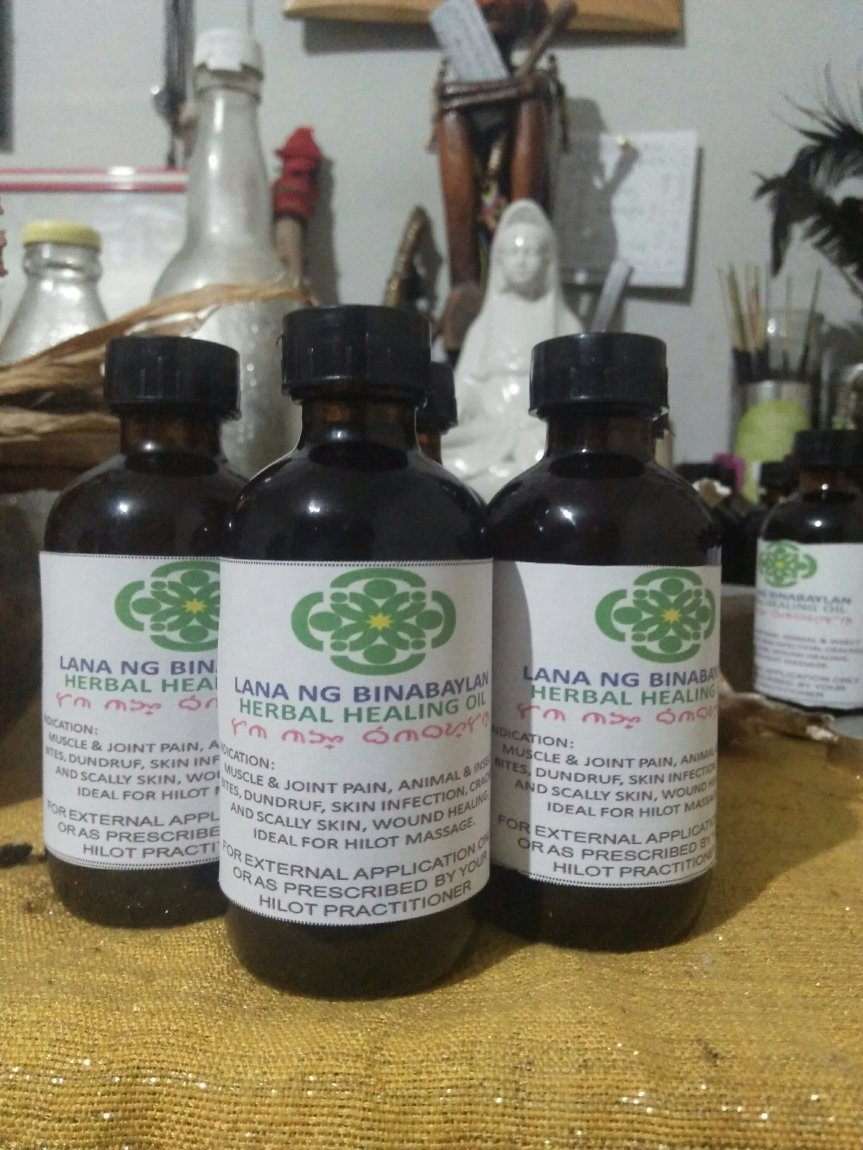
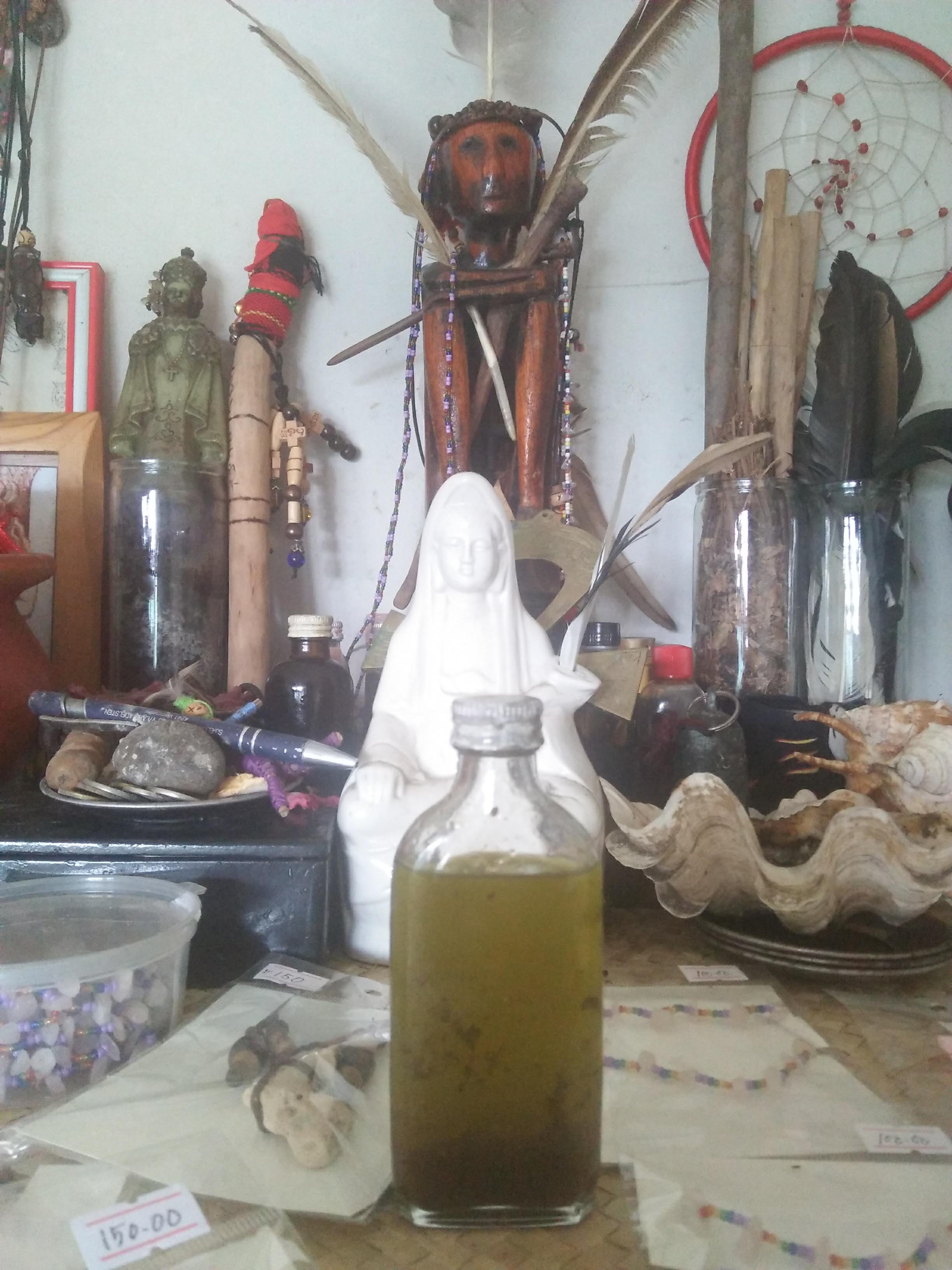 Throughout the ages, the common Filipino people have a bottle of Healing Oil kept in their home altar. Within these bottle relies the health and life of their Family. Whenever a family member is in pain or have illness, the bottle of oil is used to be applied on the person to invoke healing to come and make the person whole again. This bottle of oil also becomes a detector if there are some evil forces nearby their home. It is seen that the oil inside the bottle will become bubbly, or the outside surface of the bottle has moist as if the oil spilled out or even the oil inside the bottle is boiling. This is why we often see a bottle of healing oil being sold nearby churches. Because the oil need to be blessed in order for its properties to take effect.
 Guava leaves are used by our ancestors to wash our wounds that serve as disinfectant. Washing our wounds with the concoction of guava leaves hasten wound healing. But aside from wound healing, the concoction of guava leaves can also increase the platelets of dengue patient and help them for fast recovery. Guava or Psidium Guava is a small tree in the myrtle family (Myrtaceae), native to Mexico, Central America, the Caribbean and northern South America. It probably came to the Philippine through the barter trade system
 As we grow old we experience a lot of discomfort in our Body and due to this discomfort we often see our Doctor to be prescribed with different medicine for our condition. I remember my Nanay when she was still alive that she endures to take 12 or more medicine every day for her condition 3 times a day. During that time she takes medicine for her brain, for her blood, for her heart, liver, kidney, bones, and probably towards her all entire body organ system. And every time she takes that medicine, she looks like she is suffering specially that for almost a week already that she does not poo while every day she takes in food and medicine. So what i did is that i Go to Mother Nature for an Alternative Cure that help her. And at that time i learned how to make herbal tablet from our Plant Medicine.
 At first my mother joke me that it looks like a Goat’s poo and indeed it looked like one but it’s content is so much powerful because i blend it with not only one herbs but with all other herbs that is necessary towards Nanay’s condition. In her case i use Mulberry leaves, Malunggay, Serpentina, Ginger and Avocado. It help her up to her last day. She does not suffer in pain like before. She eats and poo regularly. She sleeps well and her blood pressure is down from 210/140 to 140/90 mmHg. Though her Doctor want her blood to still go down from 140/90 mmHg to 120/80 mmHg but when she takes blood pressure lowering drug, i was alarmed because she slept for about 24 hours. And from that time i use my medicine and lower the dosage of the Drug that the doctor prescribed for my mother.
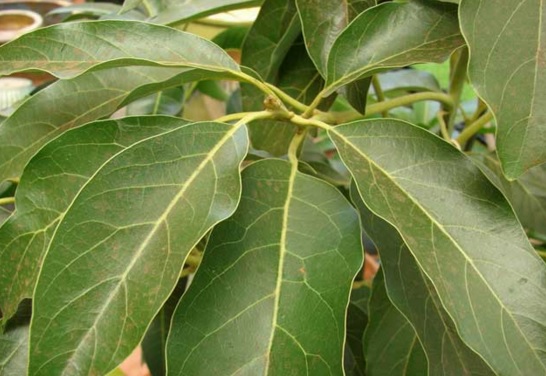 Avocado is a Fruit Tree that originates in South-Central Mexico between 7,000 to 5,000 BC. It bears the scientific name Persea Americana and it look like a pear that has green to purple red color instead of yellow-white fruit. Avocado was introduced to the Philippines on 1890 by our Spanish Colonizer when they bring seeds of Avocado in our country from Mexico. Here in the Philippine we consider Avocado as a Fruit, but in US it is a vegetable.
 Hilot Academy of Binabaylan
You must be logged in to post a comment.