The True Essence of a Healer: A Creed for Hilot Binabaylan Practitioners

In a world where healing is often measured by degrees, diplomas, and monetary value, I stand firm in the belief that the gift of knowledge entrusted to me through Hilot is overflowing—not because of wealth or status, but because of the love and compassion that move me to serve.

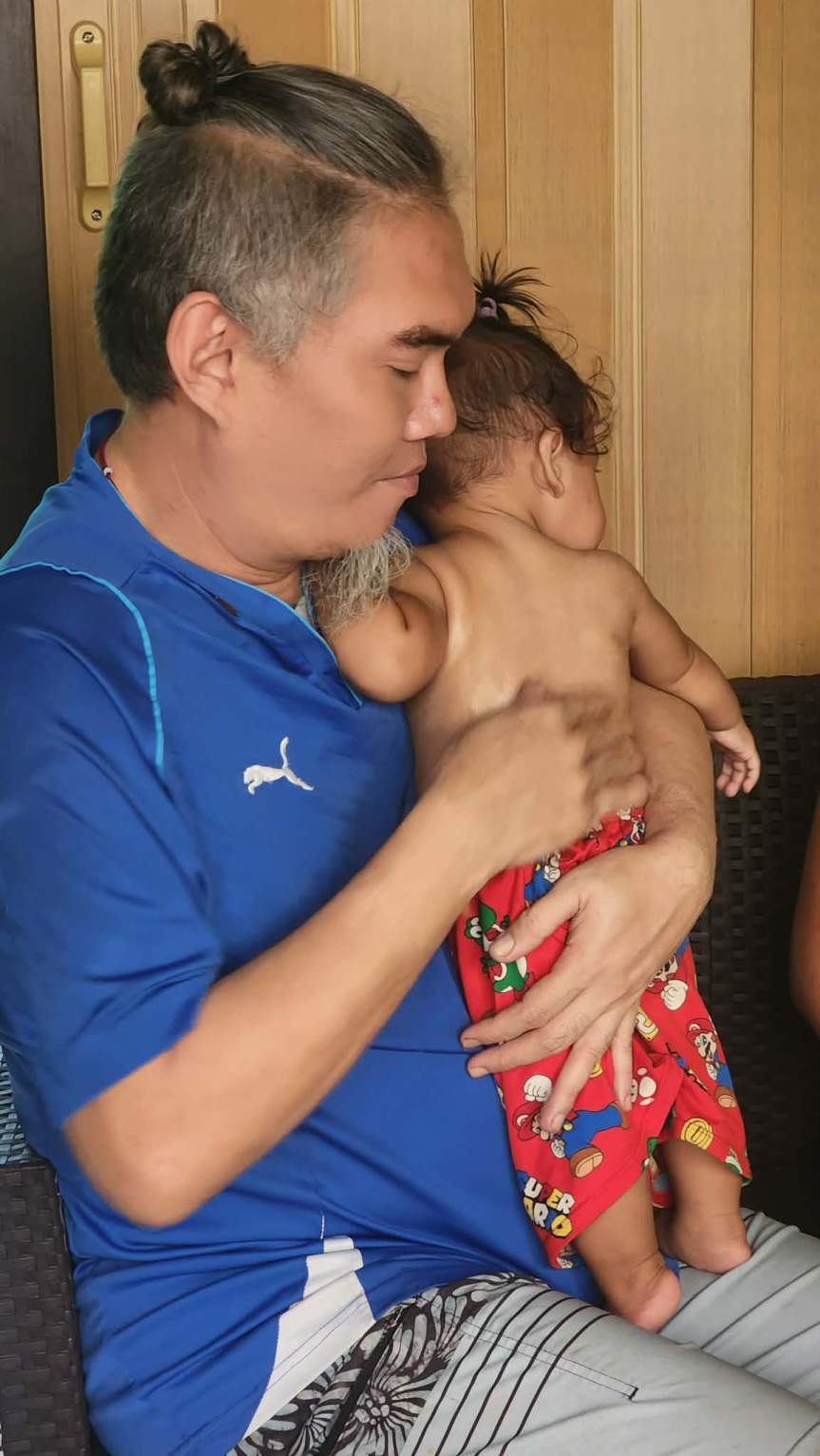
I do not claim that I can heal every illness a person may suffer. My heart and mind simply tell me to help and share my energy with every individual who genuinely seeks healing. Like all traditional folk healers, I acknowledge this truth: we are not the ones who heal. We are instruments of the Divine, channels through which healing flows.

Traditional medicine teaches that every individual has the innate ability to heal themselves. We, as healers, are catalysts—facilitators of that process. This wisdom was echoed by Doctor Ruben M. Galang Jr., who taught us that healing is a partnership. Even if I were the greatest healer in the land, if the person does not participate in their own healing, no true healing can occur.

As a Hilot Binabaylan, I am deeply grateful to every patient who knocks on my door. Their trust is a sacred gift. I am equally grateful to the Anito and the Diwata for entrusting me with this ability to care—not only with compassion but also with the little knowledge of human science that complements our ancestral wisdom.

Today, I realize that being a healer is not about academic degrees, certificates, or diplomas. It is about the degree of love and care that moves you to heal an individual. Healing is priceless because it springs from the heart.


Why I Heal on a Donation Basis
This afternoon, I spoke with Cris, our custodian who tends to our chickens. I asked him why he thinks I offer Hilot on a donation basis or sometimes for free. He guessed that I do so because I earn through teaching Hilot. While that is partly true, it is not the whole story. Teaching does not always guarantee income—this year, I only had one class in Hawaii last August and one enrollee this December. What they pay is a small amount, enough to sustain our work at the Hilot Academy of Binabaylan.

The real reason is this: if I charged the same rates I once did in Makati—₱1,800 to ₱2,500 per hourly session—many in my community could not afford it. And what I give is priceless. Healing is not a commodity; it is a sacred act of service.


The Creed of Hilot Binabaylan
From this reflection, I offer these guiding principles for all who walk the path of Hilot Binabaylan:

1. We are instruments of the Divine. Healing flows through us, not from us.
2. Healing is a partnership. The patient must actively participate for true healing to occur.
3. Love and compassion are our greatest credentials. Degrees and certificates do not define a healer—the heart does.
4. Gratitude is our foundation. We honor those who seek our help and the spiritual forces that guide us.
5. Healing is priceless. It cannot be measured by money but by the transformation it brings.
6. We serve with humility. Our work is not for fame or fortune but for the well-being of all.


Final Thoughts
To be a healer is to embody love, care, and service. It is to walk with humility, guided by the wisdom of our ancestors and the grace of the Divine. May this creed inspire every Hilot Binabaylan to uphold the sacred calling of healing—not as a profession, but as a lifelong mission of compassion.

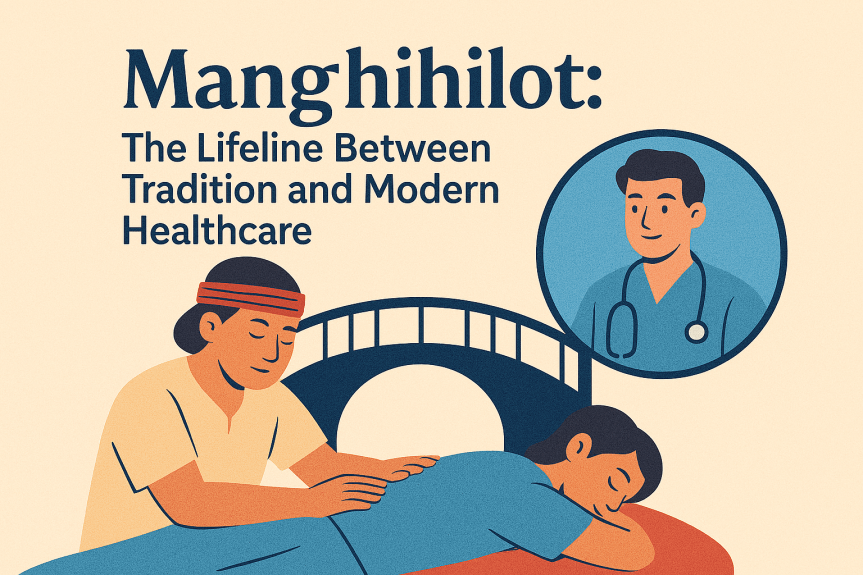
Manghihilot: The Lifeline Between Tradition and Modern Healthcare

In the heart of Filipino communities, the manghihilot stands as a trusted figure—a healer, a guide, and now, a vital connector between the people and the formal healthcare system. Rooted in centuries-old wisdom, Hilot is more than a therapeutic practice; it is a cultural bridge that fosters trust and accessibility in times of need.

Ethics That Empower

The Hilot Code of Ethics reminds us: “We do not treat patients with conditions beyond our understanding. We refer them to proper healthcare professionals as necessary.” This principle reflects humility and responsibility. Yet, it does not mean turning away those who seek help. Instead, manghihilot practitioners perform initial assessment and relief care, ensuring comfort while facilitating access to advanced medical treatment.

Why This Role Is Crucial

For many Filipinos—especially in rural areas—healthcare is not just a matter of distance; it’s a matter of trust. Hospitals can feel intimidating, and financial constraints often delay treatment. Here, the manghihilot becomes a bridge of trust, guiding patients toward modern care without abandoning cultural values.

By offering first-line care, stabilizing conditions, and educating families, manghihilot practitioners help overcome fear and mistrust. They make the transition from traditional healing to modern medicine smoother, ensuring that no one is left behind.

Integration, Not Opposition

The future of healthcare lies in collaboration. Manghihilot practitioners complement modern medicine by:

  • Providing culturally sensitive care.
  • Acting as first responders in remote areas.
  • Facilitating referrals to hospitals and clinics.

This synergy creates a holistic approach where tradition and science work hand-in-hand for the well-being of the community.

A Call to Action

To strengthen this role, we need support from both the public and healthcare institutions:

  • Recognize manghihilot practitioners as vital partners in community health.
  • Provide training and resources for proper referral systems.
  • Promote integration programs that respect cultural heritage while ensuring safety.

By supporting this collaboration, we empower communities, preserve tradition, and improve healthcare access for all.


Join the Movement! Advocate for the integration of Hilot into public health programs. Share this article, start conversations, and help build a healthcare system that honors both tradition and modernity.

Freedom Over Restriction: Rethinking Public Health Policies in the Philippines

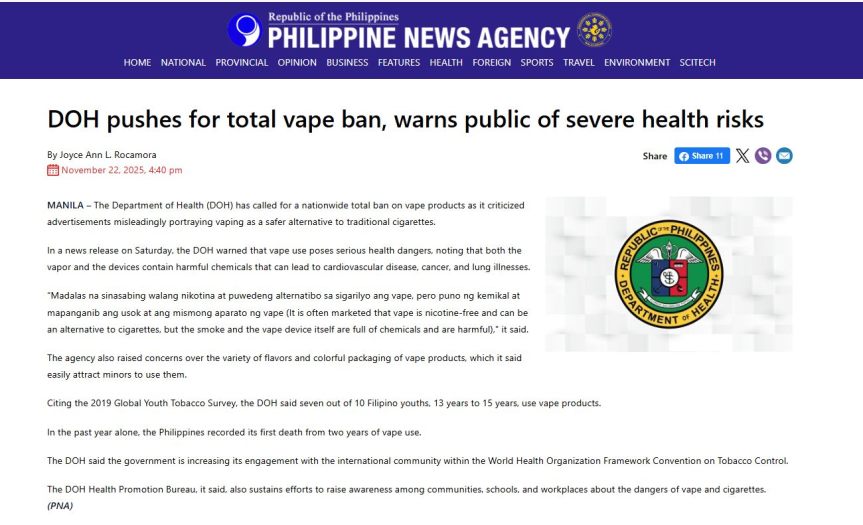
In the Philippines, government agencies such as the Department of Health (DOH) often resort to bans and prohibitions as their primary tool for addressing public health concerns. From smoking restrictions to regulations on vaping and sugary drinks, these measures are typically justified as necessary for the greater good. But while the intention may be noble, the approach raises a critical question: Are we sacrificing freedom for safety in ways that undermine trust and progress?

The Problem with Restrictive Governance

Bans and prohibitions are quick fixes. They create an illusion of control and immediate compliance, but they rarely address the root causes of public health issues. Worse, they often breed resentment and resistance. When people feel their autonomy is curtailed, they are less likely to cooperate willingly. Instead of fostering a culture of responsibility, restrictive policies can lead to a cycle of enforcement and evasion.

Consider the Tobacco Regulation Act of 2003 (RA 9211), which prohibits smoking in public places and bans tobacco advertising. While this law contributed to reducing smoking prevalence from 29.7% in 2009 to 19.5% in 2021, enforcement challenges persist, and smoking remains a leading cause of death in the country. Similarly, the Vaporized Nicotine and Non-Nicotine Products Regulation Act (RA 11900) introduced strict rules on e-cigarettes, including age restrictions and flavor bans. Yet, youth vaping surged by 110% between 2015 and 2019, showing that prohibition alone cannot solve behavioral health issues. [academic.oup.com] [global.lockton.com], [publications.aap.org]

These examples illustrate a pattern: restrictive policies may reduce harm in the short term but fail to build long-term health literacy and voluntary compliance.

Why Freedom Matters in Public Health

Freedom is not the enemy of health; it is its ally. When individuals are empowered to make informed choices, they become active participants in their well-being. Public health thrives in an environment where education, transparency, and trust replace coercion.

Countries that prioritize empowerment over restriction often see better long-term outcomes. Why? Because informed citizens adopt healthy behaviors voluntarily—not because they are forced, but because they understand the benefits.

A Better Way Forward: Empowerment Over Enforcement

Instead of implementing limiting factors, government agencies should embrace strategies that promote freedom while safeguarding health. Here’s how:

  1. Education Over Prohibition
    Launch comprehensive education campaigns that explain the risks and benefits of certain behaviors. For example, rather than banning sugary drinks outright, teach communities about nutrition and provide healthier alternatives.
  2. Incentives for Healthy Choices
    Replace bans with positive reinforcement. Countries like Indonesia and Cameroon have experimented with performance-based grants and incentives to improve health and education outcomes, proving that rewards can drive behavior change without coercion. [worldbank.org]
  3. Community Engagement and Co-Creation
    Involve communities in policy-making. When people feel heard and included, they are more likely to support and comply with health initiatives.
  4. Transparency and Trust
    Communicate the rationale behind every policy clearly. Trust grows when citizens understand the “why” behind the “what.”

International Best Practices

Global health authorities emphasize empowerment-based approaches. The WHO Global Framework on Well-being advocates for health promotion strategies that integrate education, community participation, and equity rather than punitive measures. Similarly, the OECD Guidebook on Best Practices in Public Health highlights interventions that prioritize effectiveness, equity, and evidence-based education over restrictive enforcement. [cdn.who.int] [oecd.org]

The Health-Promoting Schools Initiative by WHO and UNESCO is another example. Instead of banning unhealthy behaviors, it creates environments where students learn health skills, access nutritious food, and engage in physical activity—empowering them to make lifelong healthy choices. [who.int], [unesco.org]

Freedom and Responsibility: A Balanced Approach

Promoting freedom does not mean abandoning responsibility. It means creating a system where individuals are trusted and empowered to make decisions that benefit both themselves and society. A government that prioritizes liberty while fostering accountability will not only protect public health but also strengthen democracy.

The Call to Action

It’s time for the Philippine government to shift from a culture of restriction to a culture of empowerment. Citizens should demand policies that respect their autonomy and promote informed decision-making. Public health should be a partnership, not a dictatorship.

We call on the DOH and other agencies to:

  • Review existing bans and evaluate their necessity and effectiveness.
  • Invest in education and community-based programs that encourage voluntary compliance.
  • Create incentive-driven initiatives that make healthy choices accessible and attractive.

Freedom is not a privilege; it is a right. And in the realm of public health, it is the foundation for lasting change. Let us move beyond fear-driven policies and embrace a future where health and liberty coexist harmoniously.

Pista ng Katutubong Gamutang Pilipino 2025: Honoring the Sacred Tradition of Hilot The Indigenous Healing Wisdom of the Filipino People

The Pista ng Katutubong Gamutang Pilipino 2025 presentation is a powerful celebration of Hilot, the indigenous Filipino healing tradition that has endured through thousands of years of cultural evolution. From prehistoric Kalinga to the modern wellness industry, Hilot has remained a vital expression of ancestral wisdom, spiritual resilience, and community-based care.

Tracing the Roots of Hilot

The presentation begins with archaeological evidence of early healing practices dating back 709,000 years ago, when ancient Filipinos used rhinoceros parts for food and medicine. It then highlights the role of Babaylan, Manghihilot, and Albularyo—spiritual healers who used herbal medicine, massage, and rituals to treat physical and emotional ailments.

Hilot Through the Ages

Hilot’s journey spans multiple historical eras:

  • Pre-Srivijaya and Pre-Islamic Periods: Rooted in animistic and shamanic traditions.
  • Islamization Era: Hilot adapted and coexisted with Islamic healing practices.
  • Colonial Periods: Despite marginalization, Hilot remained the primary healthcare system in rural communities.
  • Japanese Occupation and Liberation: Hilot served as a lifeline for guerrilla fighters and civilians.
  • Martial Law Era: Hilot survived underground, preserving indigenous knowledge through oral tradition.

Modern Recognition and Institutional Support

The passage of the Traditional and Alternative Medicine Act of 1997 (RA 8423) and the TESDA NC II certification marked a turning point in Hilot’s formal recognition. These milestones helped integrate Hilot into the national health and vocational systems, opening doors for professional practice in wellness centers, spas, and tourism.


🌀 Addendum: Reclaiming the Full Spectrum of Hilot Binabaylan Practice

While Hilot is now recognized as a wellness modality, key ancestral practices—such as spiritual healing, bone setting, and traditional midwifery—remain excluded from current regulations. This exclusion risks erasing the holistic essence of Hilot as practiced by our ancestors.

⚠️ Current Regulatory Gaps

  • Traditional Birth Attendants (TBAs) are prohibited from conducting home births in many localities due to safety concerns and lack of formal training.
  • Bone setting, a core skill of Manghihilot, is not included in TESDA’s Hilot Wellness Massage NC II curriculum or PITAHC standards.
  • Spiritual healing, though central to Hilot, is often sidelined in favor of clinical approaches. [Pista ng K…ipino 2026 | PowerPoint]

🌿 Why Inclusion Matters

To preserve the authentic form of Hilot Binabaylan, we must reintegrate these ancestral practices into a regulated, culturally respectful framework. This ensures that Hilot remains a complete healing system, not just a massage technique.

🔧 Proposed Integration Strategies

  1. Expanded Curriculum and Certification
    • Develop specialized modules on traditional midwifery, bone setting, and spiritual healing.
    • Partner with institutions like Templong Anituhan and Hilot Academy of Binabaylan to offer culturally grounded training.
  2. Community-Based Health Integration
    • Recognize Hilot Binabaylan as community health workers, especially in underserved areas.
  3. Multi-Agency Collaboration
    • Utilize the mandate of RA 8423 to involve TESDA, CHED, DepEd, and PCHRD in creating short courses and degree programs.
  4. Ethical and Safety Standards
    • Establish guidelines to ensure safe practice while honoring indigenous knowledge.

A Call for Cultural Justice in Healthcare

The exclusion of bone setting and traditional birth practices is not just a technical issue—it is a cultural justice concern. By reclaiming the full spectrum of Hilot Binabaylan, we affirm the value of indigenous wisdom and ensure its rightful place in the modern healthcare delivery system.


🌺 Closing Reflection

Hilot is more than a healing technique—it is a living embodiment of Filipino ancestral wisdom. As we move forward, let us ensure that Hilot remains whole, respected, and empowered. Through education, advocacy, and cultural preservation, we can continue to heal, educate, and uplift our communities with the sacred wisdom of Hilot Binabaylan.

🌿 The Body as the Home of the Souls and Spirit

In many indigenous Filipino traditions, including Maranao, Bukidnon, and Tagalog Hilot Binabaylan, the physical body is not just flesh—it is a sacred vessel that houses multiple souls (gimokod) and the spirit (diwa). When the body is in pain, it may be a sign that:

  • A soul has wandered or been disturbed.
  • The spirit is calling for attention, prayer, or alignment.
  • There is disharmony between the physical and spiritual realms.

🔮 How a Strong Soul Heals the Body

1. Energetic Alignment

  • A strong soul radiates vital energy (UliRat) that nourishes the body.
  • When the soul is whole and present, the body receives clarity, strength, and resilience.

2. Spiritual Immunity

  • Just as the body has an immune system, the soul has spiritual defenses.
  • Prayer strengthens the soul’s ability to repel negative energies, heal emotional wounds, and restore balance.

3. Ancestral Support

  • A strong soul is connected to ancestors and Tonong.
  • Their guidance and protection flow through the soul into the body, especially during rituals and healing.

4. Purpose and Will

  • Pain may weaken the body, but a strong soul reminds the person of their purpose.
  • This inner will can activate healing, even when physical remedies are limited.

🕯️ Your Insight: Strengthen the Spirit Through Prayer

This is a sacred truth. Prayer is not just communication—it is spiritual nourishment. It:

  • Calls back wandering souls
  • Re-aligns the body with divine rhythm
  • Invokes healing forces from the heavens, earth, and underworld

🕯️ Panalangin ng Kaluluwa para sa Paghilom ng Katawan

(Prayer of the Soul for Healing the Body)

Sa ngalan ng Apo sa Langit, Diwata ng Liwanag at Buhay,
Tinatawag ko ang pitong kaluluwa na nananahan sa aking katawan.
UliRat, Muwang, Malay, Alam, Bait, Alaala, at Diwa—magbuklod kayo.
Magsama-sama sa liwanag ng panalangin, upang pagalingin ang tahanan ninyo.

Kung ang katawan ay nasasaktan, ito’y panawagan ng kaluluwa.
Kung ang diwa ay humihina, ito’y paalala ng pangangailangan ng dasal.
Nawa’y bumalik ang lakas ng loob, ang kapayapaan ng isip, at ang sigla ng damdamin.
Nawa’y dumaloy ang kapangyarihan ng langit sa bawat ugat, laman, at hininga.

Apo sa Lanao, bantay ng damdamin, Diwata sa Lupa, tagapaghilom ng katawan,
Tonong ng mga ninuno, tagapagturo ng karunungan—dinggin ninyo ang panawagan.
Sa bawat patak ng luha, sa bawat bulong ng panalangin,
Nawa’y bumalik ang kalusugan, at ang katawan ay muling sumigla.

Ito ang panalangin ng Binabaylan, anak ng lupa at langit,
Nagpapakumbaba sa harap ng Diwata, at nagtitiwala sa kapangyarihan ng kaluluwa.
Pagbawi. Paghilom. Pagbalik.


🕯️ Prayer of the Soul for Healing the Body

In the name of Apo sa Langit, God of Light and Life,
I call upon the seven souls that dwell within my body.
UliRat, Muwang, Malay, Alam, Bait, Alaala, and Diwa—unite yourselves.
Come together in the light of prayer, to heal your sacred dwelling.

If the body is in pain, it is the soul that calls out.
If the spirit grows weak, it is a reminder of the need for prayer.
May courage return, may peace of mind be restored, and may the heart be renewed.
May the power of heaven flow through every vein, flesh, and breath.

Apo sa Lanao, guardian of emotions, Diwata of the Earth, healer of body and nature,
Tonong of the ancestors, teacher of wisdom—hear this call.
In every tear that falls, in every whisper of prayer,
May health return, and the body be revived.

This is the prayer of the Binabaylan, child of earth and sky,
Humbly standing before the Diwata, trusting in the power of the soul.
Restoration. Healing. Return.


Healing the Breast: A Metaphorical and Spiritual Reflection on Cancer Prevention

In the sacred traditions of Hilot Binabaylan and other indigenous healing practices, the body is not merely a biological structure—it is a vessel of spirit, emotion, and ancestral memory. Among its many parts, the breast holds a special place as a source of nourishment, love, and life.

Just as a cell can be likened to a room in a house, the breast can be seen as a pantry or kitchen—a place where nourishment is prepared and offered. When this room is clean, organized, and filled with love, it supports the health of the entire house. But when it is filled with spoiled food, clutter, or emotional toxins, it can become a source of disease.

Breast cancer, in this metaphor, is not just a physical illness. It is a reflection of emotional and spiritual imbalance. Sama ng loob—resentment, grief, hatred—when stored in the chest, can energetically spoil the sacred vessel of the breast. The nurturing space becomes a container of pain, and this emotional toxicity may feed the energy of cancer.

In Hilot Binabaylan, healing is holistic. It involves not only physical cleansing but also emotional release and spiritual restoration. Through rituals, prayers, and acts of humility, one can clear the breast of hatred and refill it with love.

Spiritual Insight:
“Kung ang dibdib ay sisidlan ng pag-ibig, huwag hayaang mapuno ito ng galit. Dahil ang galit ay lason sa gatas ng buhay.”

“If the chest is a vessel of love, do not let it be filled with anger. For anger is poison to the milk of life.”

Call to Action: Preventing Cancer Holistically

  1. Release Emotional Burdens – Practice forgiveness, humility, and open-heartedness. Let go of sama ng loob.
  2. Nurture Your Body – Eat nourishing food, exercise, and rest. Treat your body as a sacred home.
  3. Connect Spiritually – Engage in rituals, meditation, and prayer to restore balance.
  4. Seek Early Detection – Regular check-ups and self-examinations can save lives.
  5. Educate and Empower Others – Share this wisdom with your community. Healing is collective.

Let us reclaim the breast as a vessel of love, not pain. Let us clean the rooms of our body and spirit, so that life may flow freely and abundantly.

Advocating for the Recognition of Hilot and Manghihilot

As we celebrate Philippine Traditional and Alternative Medicine Month, I invite you to reflect on a vital question: How well do Filipinos—both here and abroad—truly understand Hilot? For many of us, Hilot is a memory passed down from our lolo, lola, nanay, tatay, tito, and tita. It is a healing tradition rooted in our homes and communities. Yet today, Hilot is often mistaken for mere massage therapy offered in luxury spas, stripped of its deeper wisdom and purpose.

Let me ask: Do we still remember what “Pilay” is? Do we still recognize the Manghihilot as the community’s first line of defense in health care?

Sadly, our Traditional Healing Arts and Sciences are being commercialized and standardized in ways that leave ordinary Filipinos disconnected from their own healing heritage. Once, the Manghihilot was a trusted health care provider in the barangay. Now, even prescribing herbal remedies requires a medical license.

I have been monitoring the Philippine Institute of Traditional and Alternative Health Care (PITAHC) from 2020 to 2023, and I ask: Where is the support for Hilot? As of this year, only 27 Manghihilot practitioners are listed in PITAHC’s registry. Compare this to other modalities:

  • Certified Acupuncture Practitioners: 1,099
  • Certified Chiropractic Practitioners: 87
  • Certified Naturopath Practitioners: 249
  • Certified Hilot Practitioners: 27

This disparity is alarming. PITAHC’s mandate clearly states its goal to promote safe, effective, and culturally consistent health care modalities. But where is the Indigenous Traditional Medicine of the Filipino people in this promotion?

Our elder Manghihilot are aging. If we do not act now, their wisdom will be lost forever.

I respectfully call on PITAHC to:

  1. Recognize Manghihilot in the barrios without charging registration fees.
  2. Make Hilot Congress attendance free, especially for grassroots healers.
  3. Allocate government funds toward Filipino traditional medicine—not just foreign modalities.
  4. Extend PITAHC’s reach to regional, provincial, city, and municipal health centers to identify and support Manghihilot in every barangay.
  5. Issue a memorandum circular to protect Hilot practices, just as one was issued to regulate Hilot Paanak.
  6. Include accredited Hilot Healing Centers in PhilHealth coverage, just like birthing centers.

To all Manghihilot—whether certified by TESDA, PITAHC, or trained through ancestral lineage—you have the right to be recognized.

Join me on November 8, 2025, from 4:00 PM to 6:00 PM for a Free Online Webinar via Google Meet. Let us come together to reclaim our healing traditions and advocate for their rightful place in our national health care system.

Register here: https://forms.gle/9dScvdYnDB8gCPcc8

Maraming salamat po, at nawa’y pagpalain tayo ng ating mga ninuno at ng mga Diwata ng Kagalingan!

HABI: Weaving the Soul of Filipino Healing into the World

In 2016, the Hilot Academy of Binabaylan was born with a vision to preserve and elevate the ancient healing arts and spirituality of the Filipino people. Though originally envisioned as Hilot Academy of Binabaylan International, the name was refined to HABI—a powerful acronym that not only stands for Hilot, Academy, and Binabaylan, but also evokes the Filipino word habi, meaning “to weave.”

This weaving is not merely symbolic. It reflects the Academy’s mission to interlace the physical, emotional, mental, social, and spiritual fabrics of life into a holistic tapestry of wellness. Through its teachings, HABI has become a loom where ancient wisdom and modern practice converge, creating a healing tradition that transcends borders.

From Local Roots to Global Reach

Despite initial limitations in naming, HABI has organically grown into an international movement. Since its founding, over 80 ordained and certified Hilot Binabaylan Practitioners have emerged across the globe—from the United States, Canada, Chile, Italy, France, London, Austria, Vietnam, Japan, and Australia, to its sacred homeland, the Philippines.

These practitioners began their journey seeking knowledge of Filipino healing arts. Yet, through their studies, they unearthed a deeper connection to precolonial Filipino spirituality—a sacred path that predates the Abrahamic religions of Islam and Christianity. In doing so, they became not just healers, but weavers of ancestral memory, restoring threads of indigenous wisdom long buried under colonial narratives.

Healing Beyond the Physical

At the heart of HABI’s philosophy is the understanding that true healing begins with the soul. The Academy teaches that health, illness, and wellness are not isolated phenomena within the body—they are reflections of our relationships, our environment, and our connection to the divine.

Through the lens of Kapwa, the Filipino concept of shared identity and interconnectedness, HABI practitioners recognize that healing must extend beyond the individual. It must encompass the community, the land, and the unseen energies that flow through all things.

Thus, the practice of Hilot Binabaylan includes:

– Rituals and offerings (atang) to harmonize spiritual energies 
– Prayer in motion, where movement becomes medicine 
– Sacred foods and drinks that nourish both body and spirit 
– Environmental energy weaving, ensuring balance and clarity in the spaces we inhabit 

These methodologies are not mere supplements—they are central to the healing process. They restore the flow of life force (hininga), clear disruptions, and prevent illness from taking root.

The Loom of the Future

As HABI continues to grow, it stands as a testament to the resilience and relevance of Filipino indigenous knowledge. It is a loom of transformation, where healers become leaders, and tradition becomes a living force for global wellness.

Through its graduates and teachings, HABI is not just reviving a practice—it is weaving a new world, one where healing is sacred, interconnected, and deeply rooted in the soul of the Filipino people.

Parasites and Healing: A Filipino Holistic Approach

What Are Parasites?

Parasites are organisms that live in or on a host, feeding off it and often causing harm. They include intestinal worms, protozoa, and ectoparasites like lice. Infection occurs through contaminated food, water, insect bites, or poor hygiene.

Common Symptoms of Infection

– Abdominal pain or bloating 
– Diarrhea or constipation 
– Fatigue and weakness 
– Skin rashes or itching 
– Weight loss 
– Persistent fever 
– Sleep disturbances or irritability 

Filipino Herbal Remedies

Traditional Filipino healing uses herbs to cleanse the body of parasites:

– Niyog-Niyogan (Quisqualis indica) – Chewed seeds expel intestinal worms. 
– Bawang (Garlic) – Antiparasitic and immune-boosting. 
– Bayabas (Guava) – Antiseptic; used as tea or wash. 
– Sambong– Detoxifying; supports kidney and liver function.

These herbs are often used with Hilot rituals for holistic healing.

Prevention Tips

– Wash hands regularly, especially before eating and after using the toilet. 
– Drink clean, filtered or boiled water. 
– Cook meat and fish thoroughly. 
– Avoid walking barefoot in contaminated soil. 
– Use insect repellent and protective clothing. 
– Maintain clean living spaces and personal hygiene. 
– Deworm pets and avoid close contact with infected animals.

Spiritual Parasites and Cleansing

In Templong Anituhan, spiritual parasites are negative energies or entities that attach to a person’s aura, feeding on fear, trauma, or unresolved emotions. They may cause fatigue, emotional instability, or spiritual disconnection.

Spiritual cleansing includes:

– Tuob (herbal steam baths) 
– Pagpapahid ng Lana (anointing with sacred oils) 
– Pag-aalay (offerings to Diwata and Anito) 
– Invocation of Diwatang Kilubansa and Sayum-ay for healing and harmony

Healing the Whole Being

True healing in Hilot Binabaylan practice restores harmony between body, mind, and spirit. Whether physical or spiritual, parasites must be addressed through both natural remedies and spiritual rituals to achieve Ginhawa—complete well-being.

Suggested Spiritual Cleansing Rituals

1. Tuob Ritual (Herbal Steam Bath)


– Purpose: Opens pores, releases toxins, and clears stagnant energies.
– Herbs: Bayabas (guava), Sambong, and Tanglad (lemongrass).
– Method: Boil herbs in water, place in a basin, and cover yourself with a blanket to inhale the steam. Chant invocations to Diwatang Kilubansa for elemental balance.

2. Pagpapahid ng Lana (Anointing with Sacred Oil)


– Purpose: Seals the aura and protects against energetic intrusion.
– Oil Base: Coconut oil infused with garlic, basil, or rosemary.
– Method: Apply to forehead, chest, and navel while invoking Diwatang Sayum-ay for peace and harmony.

3. Pag-aalay at Panalangin (Offering and Prayer)


– Purpose: Appeases spirits and invites divine healing.
– Offerings: Rice, flowers, water, and lighted candles.
– Invocation: Call upon Anito and Diwata, especially Diwatang Meketefu for refinement and Diwatang Tuhan for spiritual strength.

4. Pagpapalayas (Spirit Release Ritual)


– Purpose: Expels spiritual parasites or attachments.
– Tools: Bayabas leaves, salt, and a consecrated staff or ritual dagger.
– Method: Circle the person while chanting release prayers, then sweep the body with leaves and salt to absorb negative energies.

5. Dambana ng Ginhawa (Shrine of Comfort Ritual)


– Purpose: Reconnects the soul to its divine source.
– Setup: Create a sacred space with elemental symbols—earth, water, fire, air.
– Practice : Meditate, chant, and offer gratitude to Umli and the Diwata realms for restoration.

Preserving the Sacred: Why Hilot Must Remain Rooted in Its Indigenous Form

Hilot, the ancient healing art of the Filipino people, is more than just a massage technique—it is a sacred embodiment of our Indigenous Knowledge Systems and Practices (IKSP). Rooted in the wisdom of our ancestors, Hilot is a holistic approach to healing that integrates the body, mind, and spirit, guided by the rhythms of nature, the presence of the Diwata and Anito, and the elemental balance of Apoy, Tubig, Hangin, and Lupa.

The Essence of Hilot as Indigenous Knowledge

In its original form, Hilot is a spiritual and cosmological practice. It is performed by Binabaylan, spiritual healers who walk between realms, invoking divine guidance and ancestral wisdom. Hilot is not merely about physical relief—it is about restoring harmony within the person and their environment. It includes:

  • Energetic diagnostics through pulse, heat, and intuition
  • Rituals and prayers to the Diwata and Anito
  • Herbal medicine and elemental therapy
  • Soul healing and spiritual alignment

This depth of practice reflects the Indigenous Filipino worldview, where health is not just physical wellness but a state of spiritual balance and ancestral connection.

The Role of TESDA and PITAHC

In recent years, TESDA and PITAHC have taken steps to promote Hilot as part of the national healthcare system. Their efforts have helped:

  • Provide training and certification for practitioners
  • Ensure safety and professionalism
  • Introduce Hilot to a wider audience seeking alternative wellness

These contributions are valuable and necessary. However, the institutional framing of Hilot has narrowed its scope, often reducing it to massage and relaxation therapy, detached from its Indigenous roots.

The Risk of Cultural Dilution

When Hilot is stripped of its spiritual and ancestral dimensions, it loses its identity as Indigenous Knowledge. It becomes a commodified service, disconnected from the cosmology that gives it meaning. This not only misrepresents the practice but also disempowers Indigenous communities who have preserved it for generations.

A Call for Dual Recognition

We advocate for a dual-pathway approach to Hilot:

  1. Institutional Hilot – promoted by TESDA and PITAHC for therapeutic and wellness purposes.
  2. Indigenous Hilot Binabaylan – preserved in its original form by spiritual communities like Templong Anituhan, emphasizing holistic healing of the body, mind, and spirit.

This approach allows Hilot to evolve and reach modern audiences without losing its soul. It respects the sovereignty of Indigenous communities and honors the sacredness of Hilot as a spiritual ministry.

Protecting Hilot as Indigenous Knowledge

We call upon:

  • NCIP to uphold Hilot as IKSP under R.A. 8371
  • IPOPHL to protect its Indigenous Intellectual Property
  • Educational institutions to include Hilot Binabaylan in cultural and spiritual curricula
  • Healthcare systems to recognize the value of spiritual healing in holistic wellness

Call to Action: Join Us in Reclaiming Hilot

To deepen this conversation and celebrate the wisdom of our ancestors, we invite you to join our free online event:

🕓 Date & Time: November 8, 2025, from 4:00 PM to 6:00 PM
📍 Platform: Google Meet
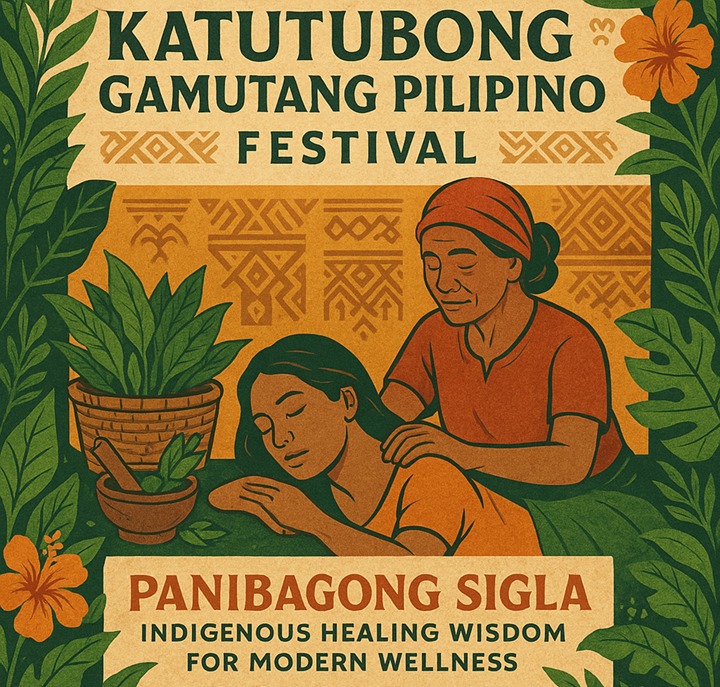
🎉 Event Title: Panibagong Sigla: Indigenous Healing Wisdom for Modern Wellness

This gathering will feature Hilot practitioners, Binabaylan leaders, and cultural advocates sharing insights on how Hilot can be preserved, practiced, and promoted in its full Indigenous form.

Let us walk together in healing, remembering, and reclaiming the sacred path of Hilot.