Preserving the Sacred: Why Hilot Must Remain Rooted in Its Indigenous Form

Hilot, the ancient healing art of the Filipino people, is more than just a massage technique—it is a sacred embodiment of our Indigenous Knowledge Systems and Practices (IKSP). Rooted in the wisdom of our ancestors, Hilot is a holistic approach to healing that integrates the body, mind, and spirit, guided by the rhythms of nature, the presence of the Diwata and Anito, and the elemental balance of Apoy, Tubig, Hangin, and Lupa.

The Essence of Hilot as Indigenous Knowledge

In its original form, Hilot is a spiritual and cosmological practice. It is performed by Binabaylan, spiritual healers who walk between realms, invoking divine guidance and ancestral wisdom. Hilot is not merely about physical relief—it is about restoring harmony within the person and their environment. It includes:

  • Energetic diagnostics through pulse, heat, and intuition
  • Rituals and prayers to the Diwata and Anito
  • Herbal medicine and elemental therapy
  • Soul healing and spiritual alignment

This depth of practice reflects the Indigenous Filipino worldview, where health is not just physical wellness but a state of spiritual balance and ancestral connection.

The Role of TESDA and PITAHC

In recent years, TESDA and PITAHC have taken steps to promote Hilot as part of the national healthcare system. Their efforts have helped:

  • Provide training and certification for practitioners
  • Ensure safety and professionalism
  • Introduce Hilot to a wider audience seeking alternative wellness

These contributions are valuable and necessary. However, the institutional framing of Hilot has narrowed its scope, often reducing it to massage and relaxation therapy, detached from its Indigenous roots.

The Risk of Cultural Dilution

When Hilot is stripped of its spiritual and ancestral dimensions, it loses its identity as Indigenous Knowledge. It becomes a commodified service, disconnected from the cosmology that gives it meaning. This not only misrepresents the practice but also disempowers Indigenous communities who have preserved it for generations.

A Call for Dual Recognition

We advocate for a dual-pathway approach to Hilot:

  1. Institutional Hilot – promoted by TESDA and PITAHC for therapeutic and wellness purposes.
  2. Indigenous Hilot Binabaylan – preserved in its original form by spiritual communities like Templong Anituhan, emphasizing holistic healing of the body, mind, and spirit.

This approach allows Hilot to evolve and reach modern audiences without losing its soul. It respects the sovereignty of Indigenous communities and honors the sacredness of Hilot as a spiritual ministry.

Protecting Hilot as Indigenous Knowledge

We call upon:

  • NCIP to uphold Hilot as IKSP under R.A. 8371
  • IPOPHL to protect its Indigenous Intellectual Property
  • Educational institutions to include Hilot Binabaylan in cultural and spiritual curricula
  • Healthcare systems to recognize the value of spiritual healing in holistic wellness

Call to Action: Join Us in Reclaiming Hilot

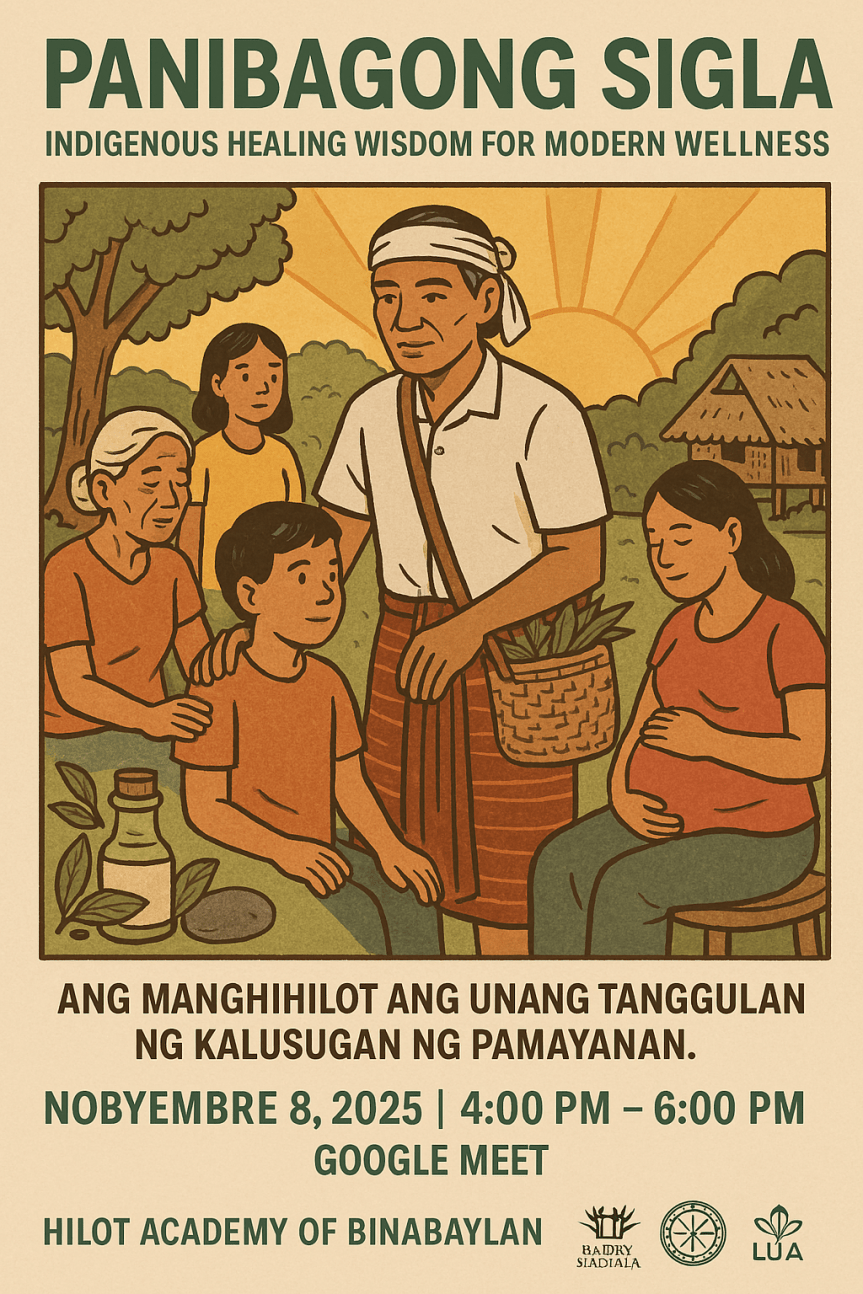
To deepen this conversation and celebrate the wisdom of our ancestors, we invite you to join our free online event:

🕓 Date & Time: November 8, 2025, from 4:00 PM to 6:00 PM
📍 Platform: Google Meet
🎉 Event Title: Panibagong Sigla: Indigenous Healing Wisdom for Modern Wellness

This gathering will feature Hilot practitioners, Binabaylan leaders, and cultural advocates sharing insights on how Hilot can be preserved, practiced, and promoted in its full Indigenous form.

Let us walk together in healing, remembering, and reclaiming the sacred path of Hilot.

🌿 Influenza-Like Illness (ILI) and the Role of Hilot Binabaylan in Community Immunity

As the rainy season and colder months arrive, communities across the Philippines experience a rise in Influenza-like Illness (ILI)—a condition marked by fever, cough, sore throat, body aches, and fatigue. Though not always caused by the influenza virus, ILI can be triggered by various respiratory infections, including COVID-19, RSV, and adenoviruses.

While modern medicine offers vaccines and antiviral treatments, Filipino Indigenous Healing—particularly Hilot Binabaylan—offers a holistic and culturally rooted approach to preventing illness and strengthening immunity.

🦠 What is Influenza-Like Illness?

ILI is a clinical diagnosis based on symptoms that resemble the flu. It spreads through:

  • Airborne droplets from coughing or sneezing
  • Touching contaminated surfaces
  • Close contact with infected individuals

ILI is not a single disease but a syndrome, and its prevention requires both physical and energetic care.

🌺 How Hilot Binabaylan Helps

Hilot Binabaylan is more than just massage—it is a sacred healing art that integrates:

  • Energetic balancing
  • Herbal medicine
  • Spiritual rituals
  • Community wellness education

Here’s how it supports immunity and prevents ILI:

1. Energetic Realignment

Hilot techniques like Panghihilot and Pagpapainit release stagnant energies and restore elemental harmony (Lupa, Hangin, Apoy, Tubig), which strengthens the body’s natural defenses.

2. Herbal and Natural Remedies

Binabaylan practitioners use indigenous herbs such as:

  • Lagundi for cough and fever
  • Tanglad and Luya for respiratory relief
  • Sambong for detoxification

These are prepared as teas, oils, or poultices to support healing and immunity.

3. Spiritual Protection and Cleansing

Rituals invoking Diwata and Anito help cleanse spiritual imbalances that may manifest as physical illness. Seasonal rites during Full Moon, Ghost Month, and Undas align the community with nature’s healing cycles.

4. Community Education and Advocacy

Hilot Binabaylan promotes preventive care through teachings on hygiene, nutrition, emotional wellness, and ancestral wisdom. The creation of Dambana ng Ginhawa serves as a communal healing space for rest and renewal.

5. Touch Therapy and Soul Activation

Through sacred touch, Hilot awakens the UliRat (life force) and Malay (recognition soul), activating the body’s inner healing intelligence and reducing stress—a key factor in immune suppression.

🌞 A Call to Action

As caretakers of both body and spirit, Binabaylan healers are called to lead the community in resilience and renewal. By integrating ancestral knowledge with modern awareness, Hilot Binabaylan becomes a powerful ally in the fight against seasonal illness.

Let us walk the path of healing together guided by the spirits, grounded in the earth, and united in the rhythm of life.

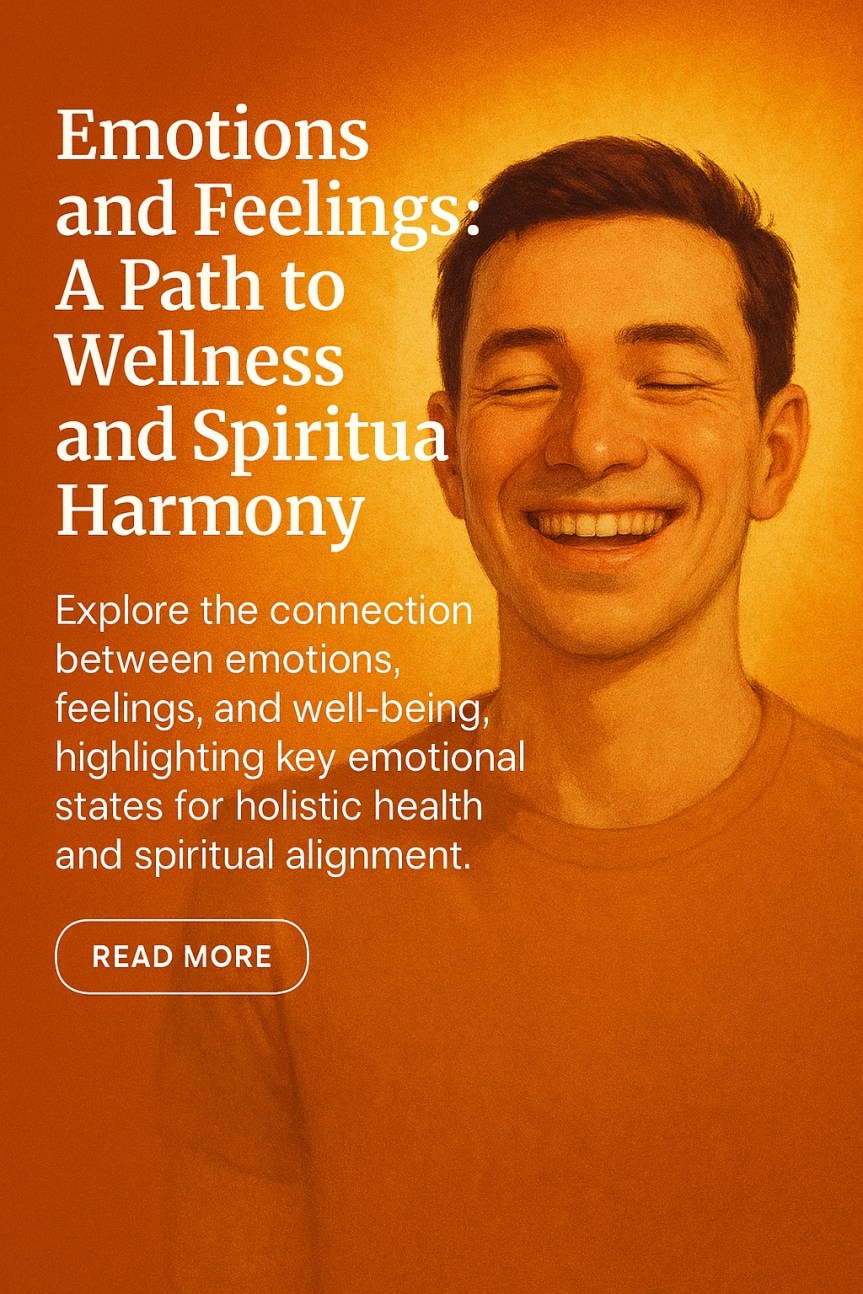
🌺 The Sacred Flow of Emotions and Feelings: A Path to Holistic Wellness and Spiritual Harmony

In the journey of healing and spiritual awakening, understanding the nature of emotions and feelings is essential. These inner experiences are not just psychological—they are energetic, spiritual, and deeply connected to our soul’s health.

🌿 What Are Emotions and Feelings?

  • Emotions are instinctive, automatic responses to stimuli. They arise from the limbic system and include reactions like fear, joy, anger, and sadness.
  • Feelings are the conscious interpretation of emotions. They are processed in the thinking brain (neocortex) and include states like peace, resentment, or gratitude.

In Hilot Binabaylan practice, emotions are seen as energetic movements of the soul, while feelings are the reflections of the soul’s condition.


🔥 Can Pain Be an Emotion and a Feeling?

Yes. Pain exists in both realms:

  • As a feeling, it is the conscious awareness of discomfort—physical or emotional.
  • As an emotion, it is a complex response involving sorrow, grief, or trauma.

In spiritual healing, pain is a signal—a call to restore balance in the soul, body, and spirit.


⚡ Is It Normal to Have Mood Swings?

Mood swings are natural when they reflect life’s changes, hormonal shifts, or spiritual transitions. However, extreme or frequent swings may indicate:

  • Emotional imbalance
  • Soul fragmentation
  • Elemental disharmony

Hilot Binabaylan offers rituals and healing touch to ground emotions and restore inner harmony.


🎶 How Sensory Stimulations Affect Emotions

  • Food nourishes both body and soul, influencing mood and elemental balance.
  • Music opens portals to memory, emotion, and divine connection.
  • Visuals (art, nature, colors) evoke peace, awe, or healing.
  • Touch, smell, and movement activate emotional release and spiritual flow.

These are sacred tools in Binabaylan rituals, used to awaken the soul and invite the Diwata.


🌈 Emotions That Support Optimum Health and Spiritual Wellness

To live in holistic wellness, one must cultivate:

  • Joy – for vitality and soul expression
  • Peace – for grounding and clarity
  • Love and Compassion – for healing and connection
  • Gratitude – for humility and abundance
  • Hope and Faith – for resilience and divine trust

Even emotions like sadness or anger are sacred when processed with awareness and transformed through ritual and reflection.


🌀 Conclusion: Emotions as Sacred Messengers

Emotions and feelings are not weaknesses—they are sacred messengers of the soul. They guide us toward healing, connection, and spiritual growth. In the path of the Binabaylan, we do not suppress emotions—we honor them, listen to them, and transform them into light.


🙌 Call to Action

If you feel emotionally imbalanced, spiritually disconnected, or simply curious about your soul’s journey:

🌟 Join the Hilot Binabaylan Alignment Training Program
🕊️ Learn how to heal through touch, ritual, and soul wisdom
🌿 Reconnect with your seven souls and elemental energies
📍 Held every Sunday at Templong Anituhan ng Luntiang Aghama, San Jose Del Monte, Bulacan

Let your emotions become your guide. Let your feelings become your prayers. Let your soul awaken to its sacred purpose.

Hilot: A Sacred Expression of Love Rooted in Filipino Family Life

Hilot is one of the oldest and most enduring healing traditions of the Philippines. More than a therapeutic technique, Hilot is a cultural expression of love, care, and spiritual connection—woven into the daily lives of Filipinos from childhood to adulthood.

Historical Roots of Hilot

Hilot dates back to precolonial times, practiced by Babaylan and Albularyo—the traditional healers and spiritual leaders of Indigenous Filipino communities. These practitioners were deeply attuned to the rhythms of nature, the elements, and the human body. Hilot was not only used to treat physical ailments but also to restore energetic balance, spiritual harmony, and social well-being.

In early Filipino societies, healing was holistic. Illness was seen as a disruption in the harmony between the body, spirit, and environment. Hilot addressed this through touch, herbal remedies, rituals, and prayers, often invoking the guidance of Anito (ancestral spirits) and Diwata (divine beings).

Despite colonization and modernization, Hilot survived—passed down through generations, especially within families. It evolved from sacred ritual into everyday practice, yet retained its essence as a sacred act of care.


Hilot in the Filipino Home: A Language of Love

In Filipino households, Hilot is a natural gesture of affection and concern. It is not always formal or ritualistic—it is instinctive, intimate, and deeply relational.

  • A tired parent may ask their child to massage their head, back, or feet. The child responds with gentle touch, offering not just relief but devotion.
  • When a child is sick, the mother performs Hilot—rubbing the back, applying warm oil, whispering prayers. Her hands become instruments of healing, guided by love and intuition.
  • Hilot can also be the offering of coffee or tea, sitting beside someone in silence, listening to their stories, and allowing emotional release.
  • Sometimes, it is the sharing of food, prepared with care, that shifts the energy of a person who is weary or unwell.

In these acts, Hilot becomes a language of the heart—a way to say “I care for you. I am here.”


Hilot as Energy Work of Compassion

Whether through touch, presence, or nourishment, Hilot works on the energetic level. It restores balance not only in the body but in the soul. It is a form of pakikiramay (empathy), malasakit (compassion), and giliw (affection).

This everyday Hilot, practiced in homes, complements the formal Hilot Binabaylan tradition taught in spiritual schools like the Hilot Academy of Binabaylan. While the academy trains practitioners in elemental fusion, soul alignment, and Diwata invocation, the home-based Hilot remains the foundation—the first touch, the first care, the first healing.


Conclusion: Hilot as a Living Tradition of Love

Hilot is not just a healing art—it is a living tradition that reflects the Filipino soul. It is the heartbeat of family life, the embrace of generations, and the spiritual wisdom of our ancestors expressed through everyday acts of kindness.

As we continue to elevate Hilot through formal training and spiritual practice, let us never forget its roots: in the loving hands of a mother, the gentle massage of a child, the shared coffee between friends, and the quiet presence of someone who listens.

Hilot is love. Hilot is family. Hilot is Filipino.

Healing Begins with Humility: The Spiritual Illness of Arrogance and Pride

In both Oriental medicine and Indigenous Filipino healing traditions, illness is not merely a physical condition—it is a manifestation of imbalance in the body, mind, and spirit. Among the most subtle yet destructive imbalances are arrogance and pride. Though often praised in modern society as confidence or ambition, these traits, when excessive, are seen by traditional healers as spiritual toxins that block the flow of healing.

**Arrogance and Pride as Illness**

In **Traditional Chinese Medicine (TCM)**, emotions are directly linked to organ systems. Excessive pride and arrogance are seen as disturbances of the **Heart**, which houses the **Shen**—the spirit or consciousness. When the Heart is overstimulated by ego-driven emotions, it can lead to restlessness, insomnia, and even mental confusion. The Liver, associated with anger and control, may also be affected, creating internal heat and stagnation.

In Hilot Binabaylan practice, arrogance is viewed as a **pagmamataas**—the inner self that connects us to the divine, to nature, and to our ancestors.

Pride separates the person from the community, from humility, and from the sacred flow of life. It is a spiritual disconnection that can manifest as physical illness, emotional instability, and relational disharmony.

**The Healing Power of Humility and Sincerity**

True healing begins not with medicine, but with attitude. The Binabaylan teaches that humility (pagpapakumbaba) is the gateway to receiving healing. It is the act of surrendering ego, acknowledging one’s limitations, and opening the heart to divine guidance.

Sincerity (katapatan) is the companion of humility. It is the honest desire to be healed—not for power, prestige, or gain, but for restoration, balance, and service to others.

When a person approaches healing with humility and sincerity:


– The spirit becomes receptive to ancestral wisdom.
– The body relaxes, allowing energy to flow freely.
– The mind clears, making space for insight and transformation.
– The community responds, offering support and collective strength.

*Healing Is a Sacred Relationship*

In Indigenous Filipino spirituality, healing is not transactional—it is **relational**. It involves the healer, the patient, the spirits, the ancestors, and the natural elements. Arrogance breaks this relationship. Humility restores it.

To be healed, one must be willing to be seen, to be vulnerable, and to be guided. The Binabaylan does not heal alone; healing is a dance of energies, a ritual of reconnection, and a gift of grace.

🌟 **A Call to the Wounded Healer**

If you are seeking healing—whether physical, emotional, or spiritual—begin with humility. Speak sincerely. Offer yourself not as a master, but as a student of life. Let go of pride, and you will find that healing flows not from force, but from grace.

And if you are called to be a healer, remember: the most powerful healers are those who have first healed themselves through humility. The Binabaylan walks not with arrogance, but with reverence.

Healing Our Roots: Hilot Binabaylan’s Journey Through Filipino American History

As we celebrate Filipino American History Month, we honor the stories of resilience, identity, and cultural revival that define the Filipino diaspora. Among these stories is the growing movement of Hilot Binabaylan, a sacred healing tradition rooted in Indigenous Filipino spirituality, now flourishing across the Pacific.

In August 2024, I had the privilege of conducting the first Hilot Binabaylan Training in California, a transformative experience that reconnected Filipino Americans to their ancestral healing arts. A year later, in August 2025, we continued this journey in Honolulu, Hawaii, through the event “Healing Our Roots: A Return to Hilot Binabaylan” at the Philippine Consulate General, in partnership with the Laʻakea Healing Center.

These two events—held in the heart of Filipino American communities—are more than milestones. They are living contributions to Filipino American History, affirming that our Indigenous wisdom is not lost, but alive and evolving.


🌿 California 2024: Reawakening the Binabaylan Spirit

The California training introduced participants to the sacred touch therapies of Hilot—haplos, hagod, pindot, and hilot sa lamig at init—while grounding them in the cosmology of the Diwata and the spiritual path of the Binabaylan. For many, it was a homecoming to ancestral identity, a healing of intergenerational wounds, and a reclaiming of cultural pride.

This training empowered Filipino Americans to become healers and cultural ambassadors, forming a bridge between ancient wisdom and modern wellness.


🌺 Hawaii 2025: Honoring Ancestry in Sacred Space

In Hawaii, Hilot Binabaylan was honored in a public and diplomatic setting, affirming its place in the broader narrative of Filipino American heritage. The event brought together healers, cultural workers, and spiritual seekers in a shared space of remembrance and renewal.

Through demonstrations, storytelling, and spiritual invocation, we celebrated Hilot not just as a healing art, but as a cultural legacy—one that connects us to our ancestors and guides us toward collective well-being.


📜 A Contribution to Filipino American History

These efforts reflect the mission of the Hilot Academy of Binabaylan: to preserve and propagate Indigenous Filipino healing arts and spirituality. By conducting trainings and rituals in California and Hawaii, we:

  • Reaffirmed the value of ancestral knowledge in the diaspora.
  • Expanded the Hilot Binabaylan Network internationally.
  • Contributed to the cultural and spiritual history of Filipino Americans.

As we observe Filipino American History Month, let us remember that history is not only written in books—it is lived in rituals, passed through healing hands, and carried in the hearts of those who remember.

From the Philippines to the United States, Hilot Binabaylan is a living tradition, healing our roots and guiding our future.

A Sacred Message to Our Community: On the Value of Healers and Sacred Exchange

In our tradition, healing is a sacred act — a gift from the Divine, the Ancestors, and the Spirits. It is a calling that we, as healers, answer with devotion, compassion, and deep spiritual responsibility.

Yet while our work is rooted in the spiritual realm, we live in the mundane world. We are not exempt from the realities of life — we have families to feed, homes to maintain, children to educate, and responsibilities to fulfill. The materials we use in healing — oils, herbs, candles, tools — are not freely given by the market. Water, electricity, and even the space where healing takes place all come with costs.

We understand that some may feel uncomfortable when healers ask for payment or offerings. But let us remember: healing is labor, and labor deserves fair exchange. Just as a farmer is compensated for the food they grow, or a teacher for the wisdom they share, a healer too must be supported in order to continue serving the community.

We do not sell healing. We offer our time, energy, and sacred presence — and in return, we ask for support that sustains our ability to serve. This is not commerce; it is reciprocity. It is the ancient practice of pasasalamat — a heartfelt offering in gratitude for the healing received.

To those who give generously: you are not just supporting a healer — you are nurturing the spirit of healing in our community. You are helping keep the sacred flame alive.

Let us walk together in understanding, compassion, and mutual respect. May our healing work continue to bless all who seek it, and may our community grow in wisdom, wellness, and abundance.

With love and light,
Rev. Rolando Gomez Comon
Chief Priest, Templong Anituhan ng Luntiang Aghama
Founder, Hilot Academy of Binabaylan

Policy on Training, Certification, Mentorship, and Doctoral Advancement in Hilot Binabaylan Practice 2025

I. Purpose

This policy outlines the standards and procedures for training, certification, mentorship, and doctoral advancement within the Hilot Academy of Binabaylan, under the spiritual and educational guidance of Bahay Siadtala Binabaylan Inc. It ensures that all practitioners uphold the sacred, ethical, and professional standards of Hilot Binabaylan Practice.

II. Enrollment Eligibility for Master’s in Ministry (M.Min.HBp)

To enroll in the Master’s in Ministry Degree Program on Hilot Binabaylan Practice, applicants must meet the following criteria:

  1. Legal Age Requirement
    • Must be 18 years old or above.
  2. Financial Capacity
    • Must be able to afford the training program, which includes tuition, accommodation, food, materials, and certification.
  3. Educational Background
    • Must have foundational knowledge in:
      • Human Anatomy and Physiology
      • Vital Signs Monitoring
      • Fundamentals of Health Care Practice

III. Training Program Structure

The program consists of 9 days of in-person training, covering the Hilot Healing Protocol, which includes:

  1. Fundamentals of Hilot Practice
  2. Hilot Diagnostic Procedures
  3. Hilot Cleansing Rituals
  4. Hilot Repair/Treatment Methodologies
  5. Body Strengthening and Wellness Enhancer
  6. Hilot Supplementation and Maintenance

IV. Certification and Ordination

Upon successful completion:

  • Students receive a Certificate of Completion and are ordained with the rank title of Dayang (female-identifying) or Lakan (male-identifying).
  • Graduates may serve at the Ministerial Center of Bahay Siadtala Binabaylan Inc., contributing to healing and spiritual services or distantly and serve as Bahay Siadtala Binabaylan Inc. Missionary Healer in their area of residence.

V. Advancement to Hilot Tanglaw (Mentor and Supervisor)

To upgrade from Hilot Binabaylan Practitioner to Hilot Tanglaw, the following requirements must be met:

A. Practice Experience

  • Must have 1 to 2 years of active practice in Hilot Binabaylan Methods.

B. Case Study Submission

  • Must submit 10 to 25 patient case studies, each including:
    • Chief Complaint
    • Practitioner’s Understanding
    • Treatment Plan and Duration
    • Patient Feedback and Results

C. Mentorship Session

  • Candidate must organize a mentoring session:
    • Either one-on-one or with a group of up to 10 mentees
    • Mentoring session fees are paid to Hilot Academy

D. Training Facilitation

  • Candidate may conduct:
    • The full 9-day training, or
    • Selected subjects, as declared to the Hilot Binabaylan Council

E. Validation and Installation

  • After mentoring, candidate must:
    • Submit a mentorship report
    • Request validation of mentees by the Hilot Binabaylan Council
    • Upon successful online validation, candidate will:
    • Receive Ordination and Certification as Hilot Binabaylan
    • Be installed as Hilot Tanglaw in their area of service

VI. Advancement to Doctor of Ministry in Hilot Binabaylan Practice (D.Min.HBp)

The word Doctor comes from the Latin word docere, meaning “to teach.” Thus, the Doctor of Ministry in Hilot Binabaylan Practice is a title conferred upon those who have demonstrated mastery and the ability to teach and lead in the tradition.

A. Prerequisites

  • Must be a Master of Ministry in Hilot Binabaylan Practice (M.Min.HBp) for 1 to 2 years
  • Must be a Hilot Tanglaw (HTm) who has:
    • Conducted at least 10 Hilot Binabaylan Trainings
    • Submitted 20 to 50 patient case studies

B. Thesis and Dissertation

  • Must submit a thesis or dissertation based on:
    • A special case handled during practice, and/or
    • A special curriculum highlighting the candidate’s unique method of applying Hilot Binabaylan Techniques

C. Application Process

  1. Letter of Intent
    • Submit to the Hilot Binabaylan Council expressing desire to level up to Doctorate
  2. Document Submission
    • Include copies of:
      • M.Min.HBp Certificate
      • HTm Certificate
      • Case Studies
  3. Interview and Review
    • Candidate will undergo an online interview regarding their thesis/dissertation
  4. Thesis Presentation
    • Organize an in-person workshop or seminar to present the thesis
  5. Conferral Ceremony
    • The Doctorate Degree will be conferred at Templong Anituhan Inc. in the Philippines

D. Responsibilities

  • As a Hilot Binabaylan Doctor, the individual is expected to:
    • Manage their own Ministerial Center or Hilot Healing Center
    • Teach and mentor others in the Hilot Binabaylan Practice

VII. Ministerial Center Distribution and Practitioner-to-Patient Ratio

The practice of Hilot Binabaylan is not a competitive endeavor, but a sacred vocation rooted in compassion, service, and spiritual responsibility. Unlike commercialized healing systems, Hilot Binabaylan honors the unique relationship between the Manghihilot and the community, ensuring that each practitioner is spiritually and professionally equipped to serve with integrity.

A. Practitioner-to-Patient Ratio

  • In alignment with global healthcare standards and the compassionate nature of Hilot, the ideal Manghihilot-to-Patient Ratio is 1:2,000.
  • This ratio ensures that each practitioner can provide personalized, holistic, and spiritually grounded care to their patients without compromising quality or ethical standards.

B. Ministerial Center Distribution

To ensure accessibility and proper spiritual governance, the following distribution of Ministerial Centers is proposed:

  • United States of America:
    Each of the 50 states shall ideally host one Ministerial Center, serving as a hub for training, healing, and spiritual services in Hilot Binabaylan Practice.
  • Philippines:
    Each of the 18 administrative regions shall host one Regional Ministerial Center, serving as a sacred space for community healing, education, and ordination under the guidance of Bahay Siadtala Binabaylan Inc.

These centers shall be led by ordained Hilot Binabaylan Doctors and Mentors, and shall operate in accordance with the standards set forth by the Hilot Binabaylan Council and Templong Anituhan Inc.

VIII. Code of Conduct

All students, mentors, and ordained practitioners of the Hilot Academy of Binabaylan are entrusted with the sacred duty to uphold the integrity of the Hilot Binabaylan Practice. This Code of Conduct serves as a spiritual covenant and ethical framework that guides their actions, relationships, and service to the community.

1. Respect for Indigenous Wisdom and Spiritual Traditions

  • Practitioners must honor the ancestral teachings and sacred rituals passed down through generations of Binabaylan, Babaylan, and Hilot healers.
  • All ceremonies, healing sessions, and educational activities must be conducted with reverence to the Diwata, Anito, and the spiritual realms recognized by Templong Anituhan.
  • Cultural appropriation, distortion, or commercialization of sacred practices is strictly prohibited.
  • Practitioners must actively preserve and promote the cultural heritage of the Filipino Indigenous Healing Arts.

2. Commitment to Healing, Service, and Ethical Practice

  • Serve with compassion, humility, and integrity. Healing is not a competition—it is a sacred duty. Practitioners must avoid rivalry and instead foster collaboration, mutual respect, and community upliftment.
  • Practitioners must prioritize the well-being of their patients, students, and community members, offering care with compassion, humility, and integrity.
  • Healing must be approached holistically—addressing the physical, emotional, mental, and spiritual dimensions of the individual.
  • Confidentiality, informed consent, and non-discrimination are essential ethical standards in all healing and mentoring engagements.
  • Practitioners must avoid any form of exploitation, manipulation, or abuse of power in their roles as healers and mentors.

3. Accountability to the Hilot Binabaylan Council and Ministerial Center

  • All practitioners are spiritually and professionally accountable to the Hilot Binabaylan Council and the Ministerial Center of Bahay Siadtala Binabaylan Inc.
  • Practitioners must submit reports, case studies, and documentation as required for validation, certification, and advancement.
  • Any misconduct, ethical violation, or deviation from the sacred protocols may result in disciplinary action, including revocation of certification or ordination.
  • Practitioners are encouraged to seek guidance, correction, and spiritual renewal through the Council and the Temple when facing challenges in their practice.

IX. Signatories and Approval

This policy is hereby approved and affirmed by the undersigned, representing the spiritual and educational leadership of Hilot Academy of Binabaylan and Bahay Siadtala Binabaylan Inc. on the 8th of September 2025.

Approved by:

Hilot Binabaylan Council

Lakay Magbaya Aghama, Director on Local Community Affairs Relations/ Administrator of Bahay Siadtala Binabaylan Inc. Taguig, Metro Manila, Philippines
Apu Adman Aghama, Founder/ Program Director/ Administrator of Templong Anituhan Inc. San Jose Del Monte, Bulacan, Philippines
Bae Akuma Aghama, Director of International Affairs Relations/ Administrator of Kapwa Wellness, San Ramon, California, USA

A Journey of Healing and Light: My Pilgrimage to Hawai‘i

By Rev. Rolando Gomez Comon, D.D.Min. IFS IFM

On August 19, 2025, I embarked on a sacred journey that would take me across the Pacific Ocean to the islands of Hawai‘i. It began with a 10.5-hour non-stop flight via Philippine Airlines, and as the plane descended, I was greeted by a breathtaking view—mountains embracing the sea under the radiant sun. In that moment, I felt the presence of our Diwata: Lumaweg, Amagaoley, and Kadaw La Sambad. It was as if they traveled with me, guiding my spirit toward a new mission.

Upon arrival at noon, I was warmly welcomed by Darcie and Zanny, who drove me to St. Anthony Retreat Center in Kalihi, Honolulu. This peaceful sanctuary became my home for the duration of my stay, a place where healing and transformation would unfold.

Even before the formal training began, I sensed the deep need for relief among the people of Hawai‘i. Whether walking through the streets or meeting strangers, I found myself offering spontaneous healing—quick Hilot sessions to those I encountered. It was a calling I could not ignore.

Darcie and Zanny also brought me to the Philippine Consulate of Honolulu, where I met with our government officials and demonstrated Pantay Daliri and Tudluan, two powerful Hilot diagnostic techniques. Later, the Morales couple graciously toured me around Honolulu, giving me a glimpse of the island’s vibrant culture and spirit.

The Hilot Binabaylan Training Begins

When the first day of class arrived, I was filled with joy to meet my students—some of whom flew in from other islands just to attend. Among them were Aziel, Tina, Owen, Maca, Paloma, Chase, Patti, Mhyrra, Donna, Jeanie, Glenda, Lorilyn, Senaya, Edwina, and of course, Darcie and Zanny. Their dedication was inspiring.

Some participants brought their children, and Darcie’s eldest daughter stepped in as a babysitter. This revealed a new need in our community, prompting the idea of creating a Hilot Training Program for Day Care—a beautiful fusion of healing and nurturing.

Over the course of 9 days, the Hilot Binabaylan Training unfolded like a sacred retreat. As Darcie and others shared, it was truly life-changing. We initiated and ordained new Hilot Binabaylan practitioners, and while words fail to fully describe the transformation, I invite you to join our next wave of training to experience it for yourself.

A Call to Serve and Grow

Now that our students have become Masters of Ministry in Hilot Binabaylan Practice, they are called to apply their knowledge in service—whether to family, friends, or their communities. I encourage all HBp graduates to organize monthly Community Hilot Services, offering healing to those in need.

For those who wish to level up, you may apply to become Hilot Tanglaw Mentors. This role involves sharing your Hilot Binabaylan experience with non-initiates, either one-on-one or in group settings. Outside the classroom, Hilot Tanglaw may serve as Supervisors or Clinical Instructors in our Hilot Healing Centers.

To qualify, you must have at least 1–2 years of practice and submit 10–25 case studies detailing the client’s chief complaint, your analysis, treatment plan, and feedback/results.

I also announced the upcoming launch of our Doctorate Degree Program, which will be finalized after consultation with the Hilot Binabaylan Council. Stay tuned for more details.

Final Words of Wisdom

To all Hilot Binabaylan practitioners: when treating patients, see them as whole persons, not just as symptoms in a book. Two people may share similar signs, but their pain and discomfort are unique. Let your heart and spirit guide your healing.

A RESOLUTION AMENDING THE ENROLLMENT PROCEDURE FOR THE MASTER’S IN MINISTRY DEGREE PROGRAM ON HILOT BINABAYLAN PRACTICE AND INTRODUCING THE HILOT TANGLAW MENTORSHIP PROGRAM UNDER BAHAY SIADTALA BINABAYLAN INC.

BOARD RESOLUTION NO. 08-1, SERIES OF 2025

WHEREAS, the Hilot Binabaylan Training Program has been elevated to a Master’s in Ministry Degree Program on Hilot Binabaylan Practice, reflecting its comprehensive curriculum on Indigenous Filipino Health Care Practices;

WHEREAS, Bahay Siadtala Binabaylan Inc., a Ministerial Center of Templong Anituhan Inc., has assumed full jurisdiction over the said training program;

WHEREAS, the Hilot Academy of Binabaylan recognizes the need for continuing professional development and mentorship to sustain and elevate the practice of Hilot Binabaylan;

NOW THEREFORE, BE IT RESOLVED, AS IT IS HEREBY RESOLVED, that the Board of Bahay Siadtala Binabaylan Inc. adopts the following amendments and additions:


I. Master’s in Ministry Degree Program on Hilot Binabaylan Practice

  1. Program Title and Jurisdiction
    The training shall be officially known as the Master’s in Ministry Degree Program on Hilot Binabaylan Practice, administered by Bahay Siadtala Binabaylan Inc., located at No. 88 Pres. Quirino St., Brgy. South Signal Village, Zone 6, Taguig City, Metro Manila, Philippines.
  2. Eligibility for Enrollment
    • Open to individuals of any nationality with the capacity for independent decision-making.
    • Must possess basic healthcare knowledge, including Human Anatomy and Physiology and Vital Signs Taking.
  3. Mode of Delivery
    • Conducted in-person and face-to-face, requiring physical attendance.
  4. Enrollment Fee and Inclusions
    • Standard fee: USD 1,250.00 or local equivalent.
    • Includes:
      • Hotel accommodation
      • Five meals per training day
      • Learning materials
      • Certificates of completion and ordination
  5. Curriculum Requirements
    Completion of the following modules is required:
    • Hilot Diagnostics: Finger Alignment, Tudluan, Himulsuhan, Pasubay, Hilot Profiling
    • Hilot Cleansing Rituals: Internal and External
    • Hilot Repair Treatments
    • Hilot Strengthening Methods
    • Hilot Maintenance
  6. Credentialing and Recognition
    Graduates shall receive:
    • Certificate of Completion
    • Ordination Credentials
    • Title designation of Lakan or Dayang, signifying membership in Templong Anituhan Inc.

II. Hilot Tanglaw Mentorship Program

  1. Program Overview
    The Hilot Tanglaw Program is a continuing professional development initiative of the Hilot Academy of Binabaylan, designed to elevate qualified Hilot Binabaylan Practitioners into Hilot Binabaylan Mentors.
  2. Mentor Responsibilities
    As Hilot Tanglaw, mentors shall:
    • Provide Guidance and Advice
    • Offer Support and Encouragement
    • Facilitate Skill Development
    • Assist in Goal Setting and Accountability
    • Enable Networking and Opportunities
    • Serve as Role Models of integrity and professionalism
  3. Enrollment and Application
    • Applicants must fill out a Mentorship Application Form, declaring:
      • Subjects they wish to mentor (may select all)
      • Number of students to be mentored
      • Scheduled training dates
  4. Fee Structure and Remittance
    • Each student pays USD 1,250.00 for a 9-day mentorship program
    • Mentor receives USD 875.00 as stipend
    • USD 375.00 (30%) is remitted to the Hilot Academy of Binabaylan
  5. Validation and Graduation
    • Upon completion, mentors shall schedule their protégés for online validation
    • Validation fee: USD 100.00, paid to the Hilot Binabaylan Council
    • The Council shall:
      • Conduct validation
      • Schedule graduation and ordination
      • Issue signed certificates and official seals

RESOLVED FURTHER, that this resolution shall take effect immediately and be disseminated to all concerned parties for implementation and compliance.

APPROVED this 16 day of August, 2025 at Bahay Siadtala Binabaylan Inc., Taguig City, Metro Manila, Philippines.


Certified True and Correct:


Rev. Alvin L. Sentin D.D.Min. IFS IFM Co-Founder/Director on Local Community Affairs Relations/ Hilot Binabaylan Council
Rev. Rolando G. Comon D.D.Min. IFS IFM Co-Founder/ Program Director/ Hilot Binabaylan Council
Rev. Maria M. Haswell D.D.Min. IFS IFM Co-Founder/Director on International Affairs Relations/ Hilot Binabaylan Council