Why We Chose the Path of Autonomy: 9 Years of Hilot Academy of Binabaylan

For over nine years, Hilot Academy of Binabaylan, the educational ministry arm of Luntiang Aghama Natural Divine Arts Shrine of Healing Inc. (also known as Landas ng Lahi), has been a beacon of ancestral wisdom and healing. Since our founding, we have produced 64 Hilot Binabaylan Practitioners who now serve their communities across the globe—many of whom are part of the Filipino diaspora returning home to reconnect with our sacred healing traditions.

These students had the option to study Hilot through government-accredited institutions such as TESDA or PITAHC, yet they chose us. Why? Because our teachings resonate with their spiritual calling. They sought not just technical skills, but a deeper understanding of Hilot as a sacred art and science—a practice rooted in the soul of our people.

Reclaiming the Sacred in Healing

From the beginning, we made a vow: to share the personal and ancestral knowledge of Hilot, including the practice of Tawas—a spiritual diagnostic method used by traditional Manghihilot. We have demystified Orasyon, reframing it as Therapeutic Communication and Timing, recognizing that words and timing can profoundly affect the mind, emotions, and healing process of the patient.

In our academy, Hilot is soul healing. We believe that the health of the body is inseparable from the health of the spirit. When the soul departs from the body, life ceases. Thus, healing must begin with the soul.

The Struggle for Accreditation

In our early years, we wrestled with the idea of seeking accreditation from government bodies. I personally contributed to the development of Hilot curricula for institutions like the Hilot Philippines Development Center, a legacy school of Dr. Mina Gabor, former Secretary of the Department of Tourism. I also helped establish the Philippine Japan Hilot Association, which gained accreditation from TESDA and the Department of Tourism.

But when it came to Hilot Academy of Binabaylan, we chose a different path.

Why? Because the current accreditation standards forbid the inclusion of Tawas and Orasyon in the curriculum. They limit spiritual practices to Christian and Islamic prayers, excluding indigenous expressions of faith and healing. This reflects a colonial mindset that prioritizes physical health while neglecting the soul.

Standing for Decolonization and Spiritual Integrity

We teach decolonization. We honor the wisdom of our ancestors. We believe that healing is not just clinical—it is spiritual, emotional, and cultural. To conform to accreditation standards would mean compromising our identity and silencing the soul of Hilot.

Unless PITAHC or other bodies are willing to fund research that validates Tawas as a legitimate diagnostic method, we remain in a dilemma: Do we embrace autonomy or submit to colonized standards?

A Vision for the Future

Despite these challenges, we continue to dream. We envision a future where Hilot Binabaylan is not only an ecclesiastical degree in ministry but also recognized as an academic degree. We are committed to ensuring that our graduates are employable, empowered, and respected as Hilot Binabaylan Practitioners—both in the Philippines and around the world.

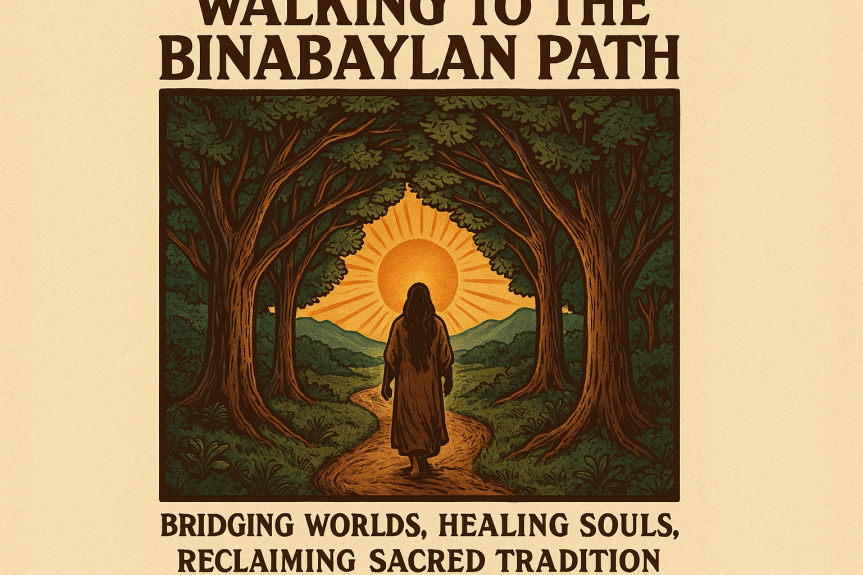
We walk the path of the Binabaylan: bridging worlds, healing souls, and reclaiming our sacred traditions. And we invite you to walk with us.
Hilot: A Sacred Path to Wellness in Filipino Culture

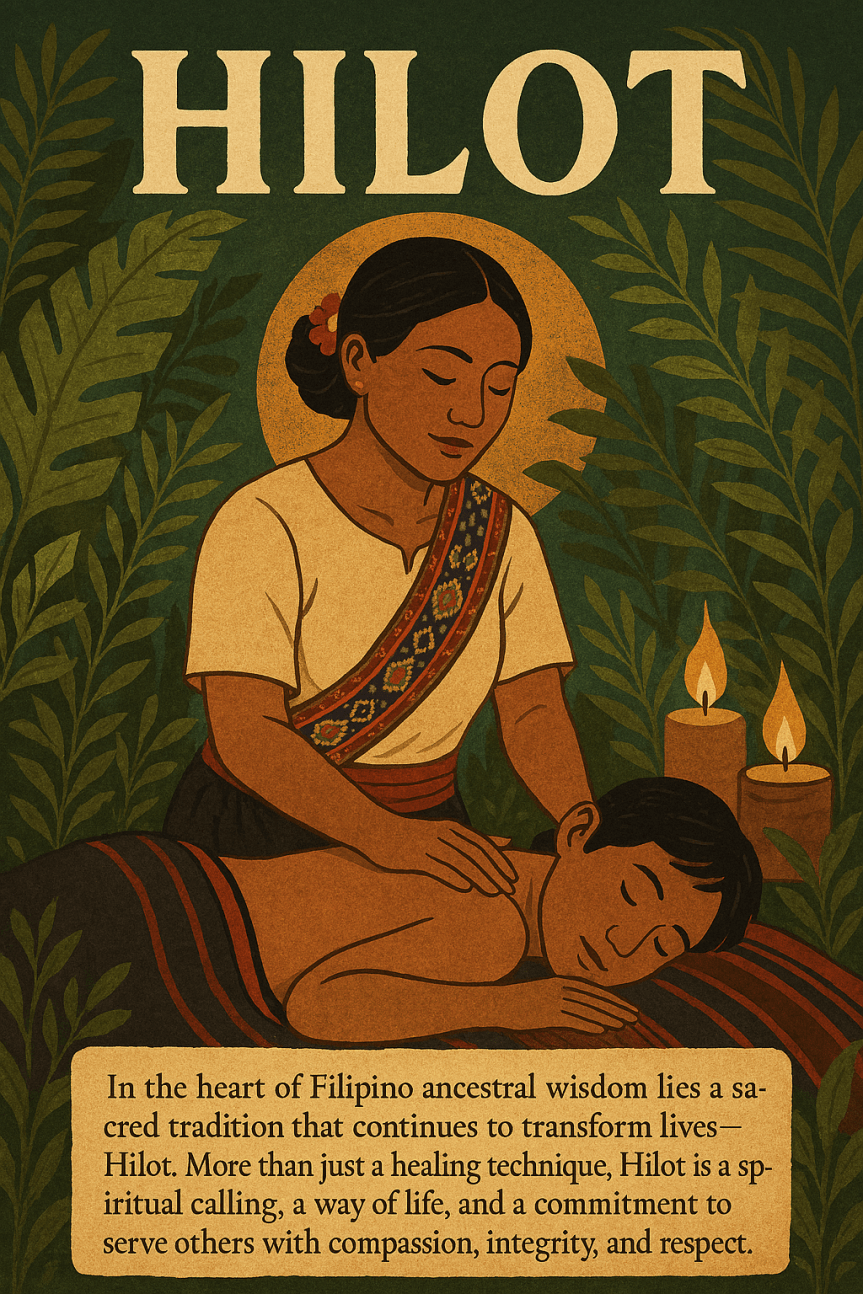
In the heart of Filipino ancestral wisdom lies a sacred tradition that continues to transform lives—Hilot. More than just a healing technique, Hilot is a spiritual calling, a way of life, and a commitment to serve others with compassion, integrity, and respect.

As the world seeks deeper, more holistic approaches to wellness, Hilot stands as a beacon of hope—reminding us that healing begins from within and is nurtured by the wisdom of our ancestors.

Why Hilot Matters Today

Modern healthcare often focuses on symptoms, but Hilot looks deeper. It recognizes that illness can stem from emotional, spiritual, and environmental imbalances. Through intuitive diagnostics like Tawas, sacred rituals, and personalized care, Hilot practitioners help individuals restore harmony in body, mind, and spirit.

But with this sacred power comes great responsibility. That’s why every Manghihilot must uphold the Hilot Code of Ethics and Healing Principles—a living covenant that guides our practice and protects those we serve.


🌿 The Hilot Code of Ethics: A Sacred Commitment

As a Manghihilot, you are not just a healer—you are a steward of life. The Code of Ethics ensures that your practice is rooted in:

  • Compassionate Care: Facilitating healing, not controlling it.
  • Respect for Individuality: Every soul is unique; every treatment is personalized.
  • Professional Integrity: Referring patients when conditions are beyond your scope.
  • Cultural Wisdom: Honoring ancestral knowledge while embracing modern insights.
  • Non-Discrimination: Serving all people regardless of background, identity, or status.

This code is not just a guideline—it is a spiritual vow to uphold the dignity and well-being of every person who seeks your help.


Healing Principles That Guide the Manghihilot

Hilot is more than technique—it is philosophy. As a practitioner, you will learn to:

  • Recognize that healing begins within.
  • Understand that illness may be spiritual, emotional, or physical—and often all three.
  • Use cleansing rituals to remove the source of illness and replace it with positive energy.
  • Respect the natural environment as a vital part of healing.
  • Accept death as a transition, not an enemy, and help others live meaningfully.

These principles empower you to become a healer who not only treats symptoms but transforms lives.


🎓 Why You Should Enroll in Hilot Training

Whether you are a healthcare professional, spiritual seeker, or someone looking for a meaningful path, Hilot offers a journey of healing, purpose, and connection.

By enrolling in our Hilot training program, you will:

✅ Learn authentic Hilot techniques from certified practitioners
✅ Receive spiritual and cultural education rooted in Filipino traditions
✅ Be part of a movement to preserve and elevate Indigenous healing arts
✅ Earn credentials that recognize your role as a traditional healthcare provider
✅ Transform your life—and the lives of those you serve


🌕 Enrollment for 2026 class is Now Open!

Join the Hilot Academy of Binabaylan and become a certified Manghihilot.
Let your hands be instruments of healing. Let your heart be a vessel of compassion.
Let your spirit carry the wisdom of our ancestors into the future.

📩 Message us today to reserve your spot.
🌿 Limited slots available. Begin your journey now.

📰 Hilot is Our Heritage: A Response to the Public Advisory of Traditional Hilot Society, Inc.

🌿 Introduction

Recently, the Traditional Hilot Society, Inc. (THSI) issued a public advisory warning against the practice of Hilot by individuals and groups not accredited by PITAHC (Philippine Institute of Traditional and Alternative Health Care). While we respect their efforts to professionalize Hilot within the health care system, we must raise a critical concern: Can Hilot be monopolized?

The answer is a resounding no.


🧓 Hilot: A Sacred Tradition, Not a Trademark

Hilot is not a brand. It is a living tradition, a spiritual calling, and a cultural heritage passed down through generations of Filipino healers, midwives, and spiritual leaders. It belongs to the people, not to any single organization.

To claim exclusive authority over Hilot is to erase the ancestral wisdom of countless Manghihilot who have served their communities long before PITAHC or THSI existed.


⚖️ Our Legal and Constitutional Rights

We assert our right to practice Hilot based on the following:

  • 1987 Philippine Constitution
    • Article XIV, Section 17–22: Protects indigenous cultural communities and their traditions.
    • Article III, Section 5: Guarantees freedom of religion and spiritual practice.
    • Article XIII, Section 6: Upholds the right to livelihood and self-determination.
  • Republic Act No. 8371 – Indigenous Peoples’ Rights Act (IPRA)
    • Recognizes the right of Indigenous Peoples to preserve and develop their traditional healing systems.
  • Republic Act No. 8423 – Traditional and Alternative Medicine Act (TAMA)
    • Encourages the development of traditional health care without monopolizing it.
    • Affirms the protection of indigenous knowledge and practices.

🛡️ Our Position

We, the Hilot Academy of Binabaylan, Templong Anituhan, and independent Manghihilot practitioners, affirm that:

  1. Hilot is a cultural and spiritual practice, not merely a health service.
  2. Manghihilot practitioners, whether PITAHC-certified or not, have the right to practice in accordance with their traditions.
  3. Spiritual and cultural institutions have the right to train and ordain Hilot practitioners under their own customary laws and beliefs.

🤝 A Call for Unity, Not Division

We invite THSI and PITAHC to recognize the plurality of Hilot traditions in the Philippines. Let us work together to honor our ancestors, protect our heritage, and serve our communities—not through exclusion, but through collaboration.


✍️ Final Words

Hilot is not owned. It is lived.
It is not regulated by paper alone—it is guided by spirit, breath, and touch.
Let us keep it sacred, inclusive, and true to its roots.