Manghihilot: The Lifeline Between Tradition and Modern Healthcare

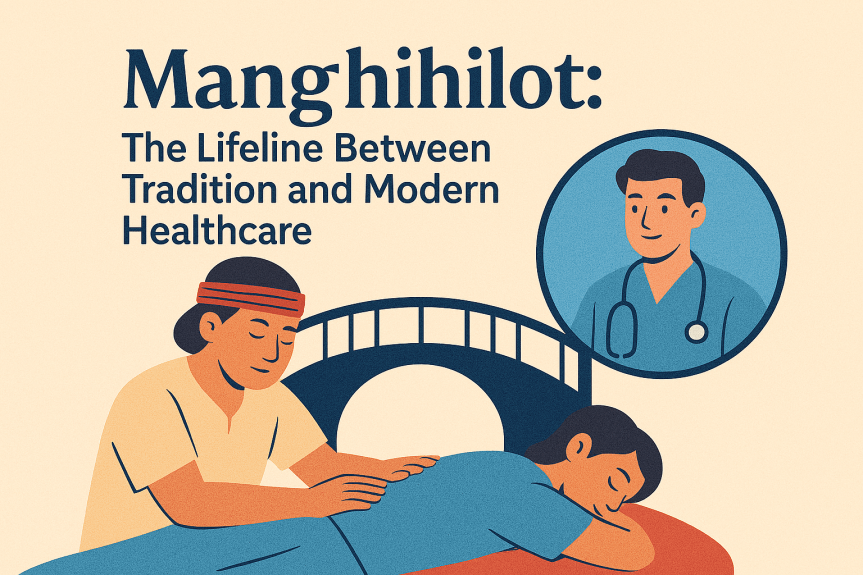
In the heart of Filipino communities, the manghihilot stands as a trusted figure—a healer, a guide, and now, a vital connector between the people and the formal healthcare system. Rooted in centuries-old wisdom, Hilot is more than a therapeutic practice; it is a cultural bridge that fosters trust and accessibility in times of need.

Ethics That Empower

The Hilot Code of Ethics reminds us: “We do not treat patients with conditions beyond our understanding. We refer them to proper healthcare professionals as necessary.” This principle reflects humility and responsibility. Yet, it does not mean turning away those who seek help. Instead, manghihilot practitioners perform initial assessment and relief care, ensuring comfort while facilitating access to advanced medical treatment.

Why This Role Is Crucial

For many Filipinos—especially in rural areas—healthcare is not just a matter of distance; it’s a matter of trust. Hospitals can feel intimidating, and financial constraints often delay treatment. Here, the manghihilot becomes a bridge of trust, guiding patients toward modern care without abandoning cultural values.

By offering first-line care, stabilizing conditions, and educating families, manghihilot practitioners help overcome fear and mistrust. They make the transition from traditional healing to modern medicine smoother, ensuring that no one is left behind.

Integration, Not Opposition

The future of healthcare lies in collaboration. Manghihilot practitioners complement modern medicine by:

  • Providing culturally sensitive care.
  • Acting as first responders in remote areas.
  • Facilitating referrals to hospitals and clinics.

This synergy creates a holistic approach where tradition and science work hand-in-hand for the well-being of the community.

A Call to Action

To strengthen this role, we need support from both the public and healthcare institutions:

  • Recognize manghihilot practitioners as vital partners in community health.
  • Provide training and resources for proper referral systems.
  • Promote integration programs that respect cultural heritage while ensuring safety.

By supporting this collaboration, we empower communities, preserve tradition, and improve healthcare access for all.


Join the Movement! Advocate for the integration of Hilot into public health programs. Share this article, start conversations, and help build a healthcare system that honors both tradition and modernity.

Freedom Over Restriction: Rethinking Public Health Policies in the Philippines

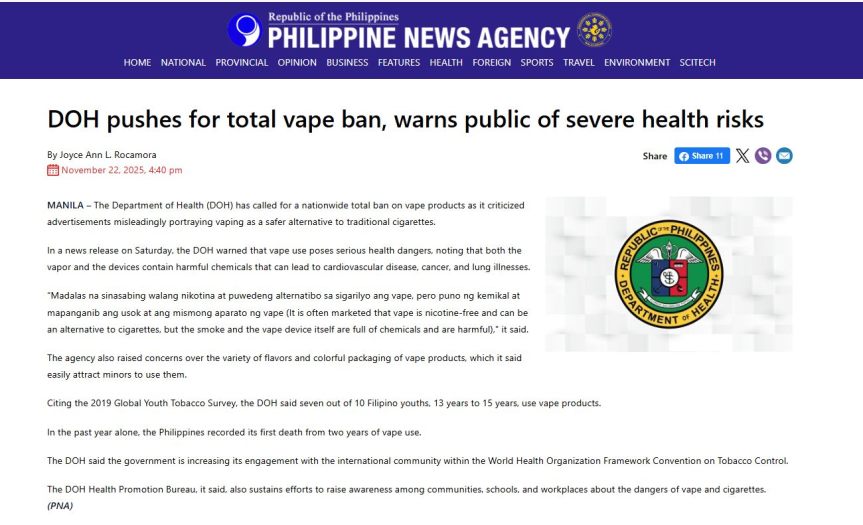
In the Philippines, government agencies such as the Department of Health (DOH) often resort to bans and prohibitions as their primary tool for addressing public health concerns. From smoking restrictions to regulations on vaping and sugary drinks, these measures are typically justified as necessary for the greater good. But while the intention may be noble, the approach raises a critical question: Are we sacrificing freedom for safety in ways that undermine trust and progress?

The Problem with Restrictive Governance

Bans and prohibitions are quick fixes. They create an illusion of control and immediate compliance, but they rarely address the root causes of public health issues. Worse, they often breed resentment and resistance. When people feel their autonomy is curtailed, they are less likely to cooperate willingly. Instead of fostering a culture of responsibility, restrictive policies can lead to a cycle of enforcement and evasion.

Consider the Tobacco Regulation Act of 2003 (RA 9211), which prohibits smoking in public places and bans tobacco advertising. While this law contributed to reducing smoking prevalence from 29.7% in 2009 to 19.5% in 2021, enforcement challenges persist, and smoking remains a leading cause of death in the country. Similarly, the Vaporized Nicotine and Non-Nicotine Products Regulation Act (RA 11900) introduced strict rules on e-cigarettes, including age restrictions and flavor bans. Yet, youth vaping surged by 110% between 2015 and 2019, showing that prohibition alone cannot solve behavioral health issues. [academic.oup.com] [global.lockton.com], [publications.aap.org]

These examples illustrate a pattern: restrictive policies may reduce harm in the short term but fail to build long-term health literacy and voluntary compliance.

Why Freedom Matters in Public Health

Freedom is not the enemy of health; it is its ally. When individuals are empowered to make informed choices, they become active participants in their well-being. Public health thrives in an environment where education, transparency, and trust replace coercion.

Countries that prioritize empowerment over restriction often see better long-term outcomes. Why? Because informed citizens adopt healthy behaviors voluntarily—not because they are forced, but because they understand the benefits.

A Better Way Forward: Empowerment Over Enforcement

Instead of implementing limiting factors, government agencies should embrace strategies that promote freedom while safeguarding health. Here’s how:

  1. Education Over Prohibition
    Launch comprehensive education campaigns that explain the risks and benefits of certain behaviors. For example, rather than banning sugary drinks outright, teach communities about nutrition and provide healthier alternatives.
  2. Incentives for Healthy Choices
    Replace bans with positive reinforcement. Countries like Indonesia and Cameroon have experimented with performance-based grants and incentives to improve health and education outcomes, proving that rewards can drive behavior change without coercion. [worldbank.org]
  3. Community Engagement and Co-Creation
    Involve communities in policy-making. When people feel heard and included, they are more likely to support and comply with health initiatives.
  4. Transparency and Trust
    Communicate the rationale behind every policy clearly. Trust grows when citizens understand the “why” behind the “what.”

International Best Practices

Global health authorities emphasize empowerment-based approaches. The WHO Global Framework on Well-being advocates for health promotion strategies that integrate education, community participation, and equity rather than punitive measures. Similarly, the OECD Guidebook on Best Practices in Public Health highlights interventions that prioritize effectiveness, equity, and evidence-based education over restrictive enforcement. [cdn.who.int] [oecd.org]

The Health-Promoting Schools Initiative by WHO and UNESCO is another example. Instead of banning unhealthy behaviors, it creates environments where students learn health skills, access nutritious food, and engage in physical activity—empowering them to make lifelong healthy choices. [who.int], [unesco.org]

Freedom and Responsibility: A Balanced Approach

Promoting freedom does not mean abandoning responsibility. It means creating a system where individuals are trusted and empowered to make decisions that benefit both themselves and society. A government that prioritizes liberty while fostering accountability will not only protect public health but also strengthen democracy.

The Call to Action

It’s time for the Philippine government to shift from a culture of restriction to a culture of empowerment. Citizens should demand policies that respect their autonomy and promote informed decision-making. Public health should be a partnership, not a dictatorship.

We call on the DOH and other agencies to:

  • Review existing bans and evaluate their necessity and effectiveness.
  • Invest in education and community-based programs that encourage voluntary compliance.
  • Create incentive-driven initiatives that make healthy choices accessible and attractive.

Freedom is not a privilege; it is a right. And in the realm of public health, it is the foundation for lasting change. Let us move beyond fear-driven policies and embrace a future where health and liberty coexist harmoniously.

Advocating for the Recognition of Hilot and Manghihilot

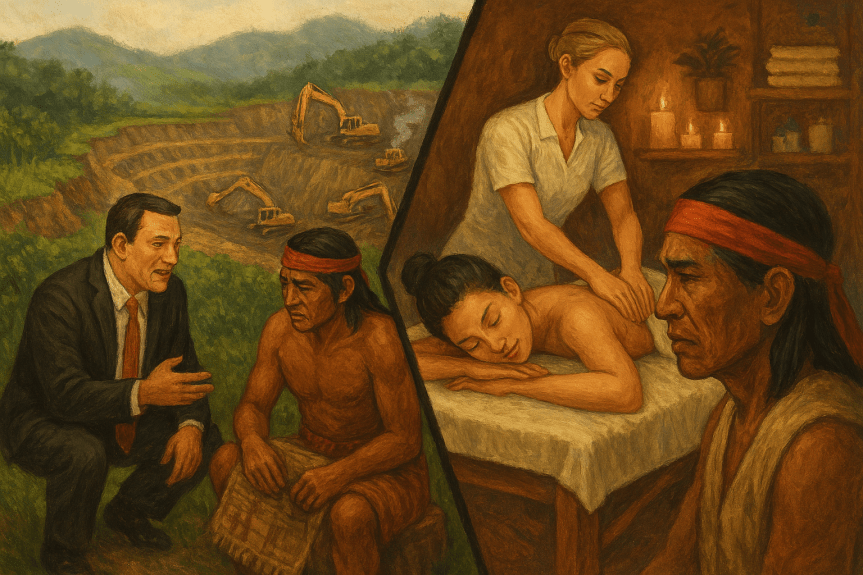
As we celebrate Philippine Traditional and Alternative Medicine Month, I invite you to reflect on a vital question: How well do Filipinos—both here and abroad—truly understand Hilot? For many of us, Hilot is a memory passed down from our lolo, lola, nanay, tatay, tito, and tita. It is a healing tradition rooted in our homes and communities. Yet today, Hilot is often mistaken for mere massage therapy offered in luxury spas, stripped of its deeper wisdom and purpose.

Let me ask: Do we still remember what “Pilay” is? Do we still recognize the Manghihilot as the community’s first line of defense in health care?

Sadly, our Traditional Healing Arts and Sciences are being commercialized and standardized in ways that leave ordinary Filipinos disconnected from their own healing heritage. Once, the Manghihilot was a trusted health care provider in the barangay. Now, even prescribing herbal remedies requires a medical license.

I have been monitoring the Philippine Institute of Traditional and Alternative Health Care (PITAHC) from 2020 to 2023, and I ask: Where is the support for Hilot? As of this year, only 27 Manghihilot practitioners are listed in PITAHC’s registry. Compare this to other modalities:

  • Certified Acupuncture Practitioners: 1,099
  • Certified Chiropractic Practitioners: 87
  • Certified Naturopath Practitioners: 249
  • Certified Hilot Practitioners: 27

This disparity is alarming. PITAHC’s mandate clearly states its goal to promote safe, effective, and culturally consistent health care modalities. But where is the Indigenous Traditional Medicine of the Filipino people in this promotion?

Our elder Manghihilot are aging. If we do not act now, their wisdom will be lost forever.

I respectfully call on PITAHC to:

  1. Recognize Manghihilot in the barrios without charging registration fees.
  2. Make Hilot Congress attendance free, especially for grassroots healers.
  3. Allocate government funds toward Filipino traditional medicine—not just foreign modalities.
  4. Extend PITAHC’s reach to regional, provincial, city, and municipal health centers to identify and support Manghihilot in every barangay.
  5. Issue a memorandum circular to protect Hilot practices, just as one was issued to regulate Hilot Paanak.
  6. Include accredited Hilot Healing Centers in PhilHealth coverage, just like birthing centers.

To all Manghihilot—whether certified by TESDA, PITAHC, or trained through ancestral lineage—you have the right to be recognized.

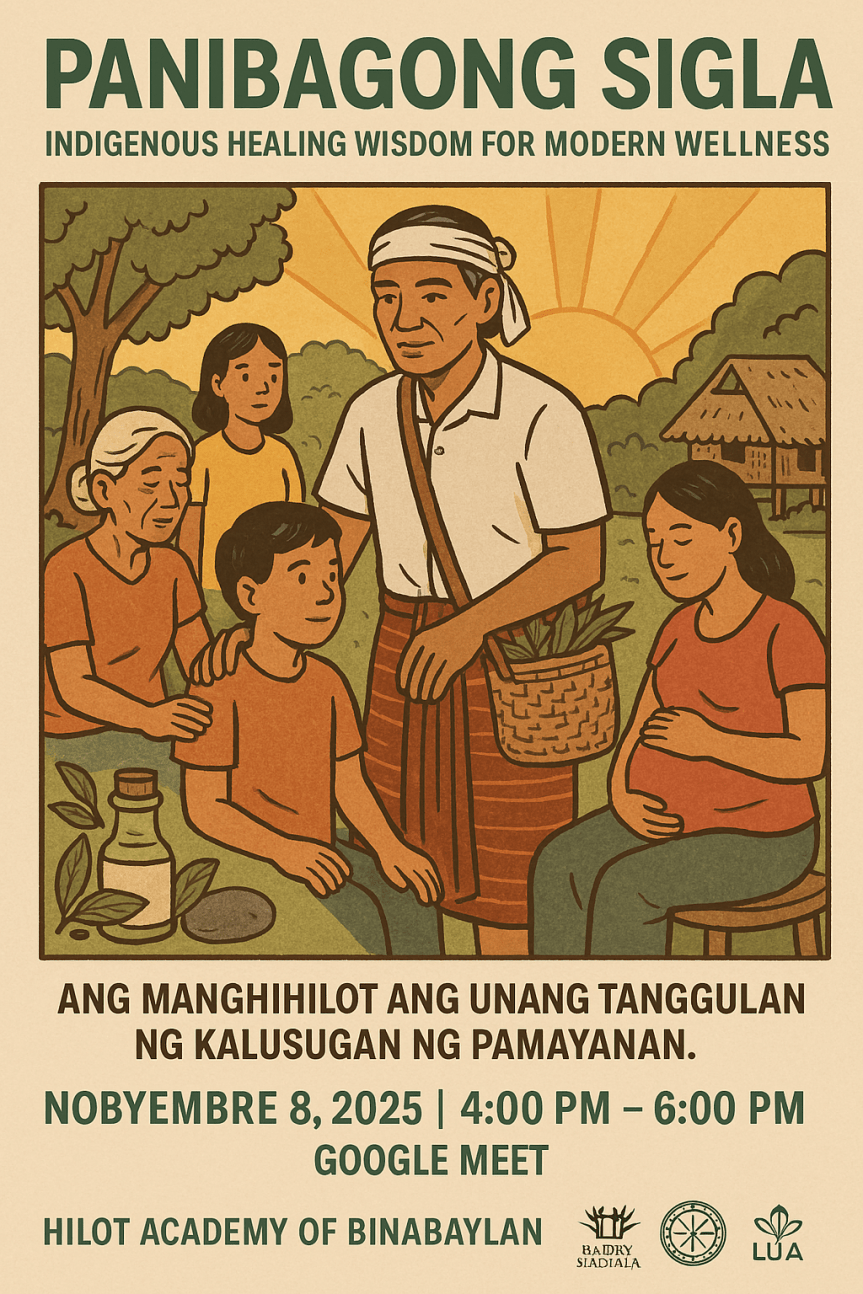
Join me on November 8, 2025, from 4:00 PM to 6:00 PM for a Free Online Webinar via Google Meet. Let us come together to reclaim our healing traditions and advocate for their rightful place in our national health care system.

Register here: https://forms.gle/9dScvdYnDB8gCPcc8

Maraming salamat po, at nawa’y pagpalain tayo ng ating mga ninuno at ng mga Diwata ng Kagalingan!

🌿 Influenza-Like Illness (ILI) and the Role of Hilot Binabaylan in Community Immunity

As the rainy season and colder months arrive, communities across the Philippines experience a rise in Influenza-like Illness (ILI)—a condition marked by fever, cough, sore throat, body aches, and fatigue. Though not always caused by the influenza virus, ILI can be triggered by various respiratory infections, including COVID-19, RSV, and adenoviruses.

While modern medicine offers vaccines and antiviral treatments, Filipino Indigenous Healing—particularly Hilot Binabaylan—offers a holistic and culturally rooted approach to preventing illness and strengthening immunity.

🦠 What is Influenza-Like Illness?

ILI is a clinical diagnosis based on symptoms that resemble the flu. It spreads through:

  • Airborne droplets from coughing or sneezing
  • Touching contaminated surfaces
  • Close contact with infected individuals

ILI is not a single disease but a syndrome, and its prevention requires both physical and energetic care.

🌺 How Hilot Binabaylan Helps

Hilot Binabaylan is more than just massage—it is a sacred healing art that integrates:

  • Energetic balancing
  • Herbal medicine
  • Spiritual rituals
  • Community wellness education

Here’s how it supports immunity and prevents ILI:

1. Energetic Realignment

Hilot techniques like Panghihilot and Pagpapainit release stagnant energies and restore elemental harmony (Lupa, Hangin, Apoy, Tubig), which strengthens the body’s natural defenses.

2. Herbal and Natural Remedies

Binabaylan practitioners use indigenous herbs such as:

  • Lagundi for cough and fever
  • Tanglad and Luya for respiratory relief
  • Sambong for detoxification

These are prepared as teas, oils, or poultices to support healing and immunity.

3. Spiritual Protection and Cleansing

Rituals invoking Diwata and Anito help cleanse spiritual imbalances that may manifest as physical illness. Seasonal rites during Full Moon, Ghost Month, and Undas align the community with nature’s healing cycles.

4. Community Education and Advocacy

Hilot Binabaylan promotes preventive care through teachings on hygiene, nutrition, emotional wellness, and ancestral wisdom. The creation of Dambana ng Ginhawa serves as a communal healing space for rest and renewal.

5. Touch Therapy and Soul Activation

Through sacred touch, Hilot awakens the UliRat (life force) and Malay (recognition soul), activating the body’s inner healing intelligence and reducing stress—a key factor in immune suppression.

🌞 A Call to Action

As caretakers of both body and spirit, Binabaylan healers are called to lead the community in resilience and renewal. By integrating ancestral knowledge with modern awareness, Hilot Binabaylan becomes a powerful ally in the fight against seasonal illness.

Let us walk the path of healing together guided by the spirits, grounded in the earth, and united in the rhythm of life.