Beyond Tuition: Understanding the True Value of Formation at Hilot Academy of Binabaylan

Why our programs are not ordinary training courses, and why we intentionally describe them as formation pathways in Indigenous Filipino Healing Arts and Sciences.

More Than a Course

One of the questions we occasionally receive at Hilot Academy of Binabaylan is:

“Why do some of your certification programs cost more than typical wellness or vocational training courses?”

It is a fair question.

To answer it honestly, we must first explain what Hilot Academy of Binabaylan is—and what it is not.

Hilot Academy of Binabaylan is not a conventional vocational school. It is not merely a massage training center. It is not a weekend workshop provider. Rather, it is an educational ministry dedicated to the preservation, transmission, and advancement of Indigenous Filipino Healing Arts and Sciences through structured formation, mentorship, cultural stewardship, and community service.

The programs offered by the Academy have been carefully developed over many years by Apu Adman (Rev. Rolando Gomez Comon), Lakay Magbaya, and Bahay SiAdtala Binabaylan through research, field experience, curriculum development, community engagement, and actual healing practice.

When students enroll, they are not simply purchasing classroom hours.

They are investing in a living tradition.

What Is a Formation Program?

In many ways, our educational model resembles that of a seminary, traditional apprenticeship, lineage school, or indigenous knowledge institution.

A formation program aims not only to teach information, but also to cultivate:

  • Knowledge
  • Competence
  • Character
  • Ethics
  • Cultural responsibility
  • Spiritual maturity
  • Community leadership

Our students are guided through a progression of learning experiences that prepare them to serve as practitioners, cultural advocates, mentors, and ministers within their communities.

This is why we often describe our programs as formation pathways rather than short courses.

The Value of Lineage-Based Education

One of the most significant aspects of our programs is direct mentorship.

Students receive instruction from teachers who have spent decades studying, preserving, teaching, and practicing Indigenous Filipino Healing Arts.

The Academy’s educational framework is rooted in:

  • Indigenous Filipino healing knowledge
  • Traditional diagnostic systems
  • Hilot practices
  • Herbal traditions
  • Spiritually informed healing methodologies
  • Contemporary educational standards
  • Ministry formation

This form of education cannot be measured solely by the number of hours spent in a classroom.

Students are granted access to accumulated knowledge, experience, methodology, curriculum, and mentorship developed over many years.

In other words, they gain access to intellectual property, living tradition, and practical wisdom that cannot be obtained from books alone.

Understanding the Cost Structure of Year 1 and Year 2

Some prospective students notice that the Certificate in Magtatawas and Certificate in Hilot Manggagamot have higher fees than later levels.

This is intentional and reflects the actual costs of delivering these immersion experiences.

Unlike many online learning programs, the first two certifications require intensive face-to-face instruction and practical training.

Program fees help cover:

  • In-person teaching
  • Direct mentorship
  • Clinical supervision
  • Practical assessments
  • Training materials
  • Hotel accommodation
  • Daily meals
  • Local transportation
  • Airport pickup and airport send-off services
  • Transportation between accommodations and training venues
  • Administrative support services

These certifications function similarly to residential immersion programs rather than ordinary classroom-based courses.

Students are not simply attending lectures; they are participating in a comprehensive learning environment designed to maximize personal guidance, skill development, and practical competency.

Why Year 3 and Year 4 Have Different Pricing

The Certificate in Albularyo and Certificate in Hilot Mandadalumat are delivered through a different educational model.

These programs are primarily conducted through:

  • Google Meet
  • Google Classroom
  • Modular learning
  • Self-paced study
  • Guided assignments
  • Scheduled mentorship sessions

Because students are no longer incurring accommodation, food, transportation, and intensive logistics costs, the overall program fees are lower.

However, students continue to receive access to:

  • Proprietary curriculum
  • Learning resources
  • Mentorship
  • Assessment
  • Academic supervision
  • Ecclesiastical recognition
  • Certification services

The value remains significant, even though the delivery model changes.

What Students Are Really Paying For

A common misconception in education is that tuition should be determined solely by contact hours.

In reality, students invest in much more than classroom time.

At Hilot Academy of Binabaylan, students are investing in:

Intellectual Property

The educational materials, frameworks, methodologies, and curriculum developed by:

  • Apu Adman
  • Lakay Magbaya
  • Bahay SiAdtala Binabaylan

Mentorship

Direct guidance from experienced practitioners and tradition bearers.

Cultural Preservation

Participation in the continuation and preservation of Indigenous Filipino healing traditions.

Professional Formation

Preparation for service as practitioners, educators, ministers, and cultural advocates.

Ecclesiastical Recognition

Programs are integrated within a broader ministerial and educational framework that supports lifelong learning and professional development.

Community Membership

Students become part of a growing network of practitioners in the Philippines and around the world.

A Ladderized Journey of Growth

The Academy’s certification pathway follows a progressive educational structure:

Year 1

Certificate in Magtatawas

Students develop foundational skills in diagnosis, assessment, and indigenous healing sciences.

Year 2

Certificate in Hilot Manggagamot

Students advance into therapeutic interventions, rehabilitative techniques, and traditional treatment methodologies.

Year 3

Certificate in Albularyo

Students explore herbal medicine, indigenous pharmacology, ethnobotany, and community-based healing practices.

Year 4

Certificate in Hilot Mandadalumat

Students study advanced spiritual healing, indigenous metaphysics, ministry formation, and community healing leadership.

Together, these certifications form a comprehensive pathway toward mastery in Indigenous Filipino Healing Arts and Sciences.

Our Commitment to Excellence

Our goal has never been to become the largest training provider.

Our goal is to remain faithful to our mission:

To preserve, transmit, and cultivate Indigenous Filipino Healing Arts and Sciences through quality education, responsible mentorship, ethical practice, and cultural stewardship.

For this reason, we invest heavily in curriculum development, student support, practical training, and meaningful mentorship.

The fees associated with our programs reflect the resources required to sustain this mission while ensuring that students receive an authentic, transformative, and professionally guided educational experience.

A Final Reflection

When evaluating the cost of education, we invite prospective students to ask a different question.

Instead of asking:

“How many hours of instruction am I receiving?”

Consider asking:

“Who am I becoming through this learning journey?”

At Hilot Academy of Binabaylan, we believe the true value of education lies not only in knowledge acquired but in transformation achieved.

Our students do not simply complete courses.

They enter a lineage, embrace a calling, preserve a heritage, and become stewards of Indigenous Filipino Healing Arts for future generations.

JOINT RESOLUTION NO. 2026-07-04: A JOINT RESOLUTION OF THE BOARD OF TRUSTEES OF TEMPLONG ANITUHAN INC. AND BAHAY SIADTALA BINABAYLAN INC. ESTABLISHING A NEW EDUCATIONAL, PROFESSIONAL, AND MINISTERIAL FRAMEWORK FOR HILOT BINABAYLAN PRACTICE; DISCONTINUING THE NINE-DAY INITIATORY PRACTITIONER PROGRAM; ELEVATING THE STANDARDS FOR PROFESSIONAL RECOGNITION; AND SAFEGUARDING THE INTEGRITY, DIGNITY, AUTHENTICITY, AND FUTURE OF INDIGENOUS FILIPINO HEALING ARTS AND SCIENCES.

WHEREAS, Templong Anituhan Inc. and Bahay SiAdtala Binabaylan Inc. are institutions dedicated to the preservation, promotion, protection, cultivation, and transmission of Indigenous Filipino Spirituality, Indigenous Filipino Healing Arts and Sciences, and the sacred traditions collectively known as Hilot Binabaylan Practice;

WHEREAS, Hilot Binabaylan Practice represents a holistic Indigenous Filipino system of healing that addresses the physical, emotional, mental, social, cultural, environmental, and spiritual dimensions of human life;

WHEREAS, the Founders and Trustees recognize their sacred duty as custodians, stewards, and guardians of the teachings, principles, practices, ethics, and heritage of Hilot Binabaylan Practice for present and future generations;

WHEREAS, it has come to the attention of the Trustees that certain individuals pursue enrollment in Hilot Binabaylan programs primarily for the acquisition of titles, credentials, ranks, and recognition without demonstrating a commitment to actual practice, community service, continuing education, and the preservation of the teachings;

WHEREAS, the Trustees have determined that the former Nine-Day Initiatory Hilot Binabaylan Practitioner Program is no longer sufficient to ensure competency, mastery, ethical conduct, accountability, scholarship, and stewardship of the tradition;

WHEREAS, the Trustees believe that the title and rank associated with Hilot Binabaylan Practice should only be conferred upon individuals who have undergone a rigorous process of education, training, research, supervised practice, community engagement, and competency assessment;

WHEREAS, it is necessary to establish a comprehensive educational ladder that reflects the level of knowledge, skill, responsibility, and leadership expected of those who will represent Hilot Binabaylan Practice both in the Philippines and internationally;

NOW, THEREFORE, BE IT RESOLVED, as it is hereby RESOLVED by the Board of Trustees of Templong Anituhan Inc. and Bahay SiAdtala Binabaylan Inc., that:

SECTION 1

DISCONTINUATION OF THE NINE-DAY INITIATORY PROGRAM

Effective immediately upon the adoption of this Resolution, the former Nine-Day Initiatory Hilot Binabaylan Practitioner Program is hereby abolished and shall no longer serve as a pathway for obtaining the title, rank, or designation of Hilot Binabaylan Practitioner.

All future applicants shall comply with the educational and competency requirements established under this Resolution.

SECTION 2

PURPOSE OF THE NEW FRAMEWORK

The purpose of this Resolution is to:

1. Preserve the integrity and authenticity of Hilot Binabaylan Practice.

2. Protect the dignity of Indigenous Filipino Healing Arts and Sciences.

3. Promote competency-based education and ethical practice.

4. Ensure that titles and ranks reflect demonstrated mastery rather than attendance alone.

5. Promote scholarship, research, and community service.

6. Strengthen international standards for Hilot Binabaylan education.

7. Develop future teachers, mentors, healers, and ministerial leaders.

8. Ensure the responsible transmission of Indigenous Filipino healing traditions.

SECTION 3

FOUR LEVEL PROFESSIONAL CERTIFICATION PATHWAY

The following certifications are hereby established as the foundational professional pathway of Hilot Binabaylan Practice:

LEVEL I

CERTIFICATE IN MAGTATAWAS OR HILOT DIAGNOSTIC PRACTICE

Competencies shall include:

• Pantay Daliri

• Tudluan

• Himulsuhan

• Pasubay (Physiognomy and Kinesics)

• Tawas sa Papel

• Tawas sa Kandila

• Tawas sa Itlog

LEVEL II

CERTIFICATE IN HILOT GAMUTAN OR MANGGAGAMOT PRACTICE

Cleansing Competencies:

• Pagbababad

• Paglalanggas

• Pagbubuhos

• Paghihilod

• Pagpupunas

• Pagsusuob

• Paglalabatiba

Treatment and Repair Competencies:

• Pagtatapal

• Pagbibigkis

• Dagdagay

• Pahid

• Haplas

• Masahe

• Bentusa

• Tawak

• Tandok

• Lunas Pilay (Traditional Bonesetting)

LEVEL III

CERTIFICATE IN HILOT ALBULARYO AND HERBALISM

Competencies shall include:

• Herbalist Philosophy

• Earth Stewardship

• Ethical Use of Herbs

• Commercial Herbs

• Wild and Natural Herbs

• Herbal Preparations

• Traditional Medicine Making

• Amulet, Charm, and Talisman Making

• Studies on Gayuma and Related Folk Traditions

LEVEL IV

CERTIFICATE IN HILOT MANDADALUMAT OR SPIRITUAL HEALING

Competencies shall include:

• Emotional Healing

• Mental Healing

• Social and Community Healing

• Healing of Usog

• Bati

• Dalaw

• Tawag

• Shamanic Illness

• Kulam-Related Healing Protocols

• Altar Set Up

• Kilubansa

• SiAdtala Baybayin Mystic Attunement

• Orasyon

• Luop and Palina

• Pagpag-Taboy

• Dampi-Pauli

• Rituals and Ceremonies

SECTION 4

BACHELOR OF INDIGENOUS FILIPINO HEALING ARTS AND SCIENCE (B.IFHAS)

Any individual who successfully completes all four (4) certification programs shall become eligible to apply for the Bachelor of Indigenous Filipino Healing Arts and Science (B.IFHAS).

To qualify for graduation and conferment of the bachelor’s diploma, the candidate must additionally complete the following requirements:

• Supervised Practicum and Clinical Field Training

• Documented Case Studies

• Community Service and Indigenous Health Outreach

• Research Project, Thesis, or Capstone Study

• Oral Defense, Competency Demonstration, or Scholarly Presentation

• Evaluation, Certification, and Approval by the Hilot Binabaylan Council

The Bachelor of Indigenous Filipino Healing Arts and Science shall recognize that the graduate has demonstrated foundational mastery and competency in Indigenous Filipino Healing Arts, Sciences, and Community Healing Service.

SECTION 5

MASTER OF MINISTRY IN HILOT BINABAYLAN PRACTICE

(HILOT TANGLAW MENTOR)

Only holders of the Bachelor of Indigenous Filipino Healing Arts and Science (B.IFHAS) shall be eligible for admission into the Master of Ministry in Hilot Binabaylan Practice Program.

Upon successful completion of all master’s degree requirements, the candidate shall be awarded the title:

HILOT TANGLAW MENTOR

The Hilot Tanglaw Mentor shall be authorized by the Hilot Binabaylan Council to:

• Teach approved Hilot Binabaylan courses

• Mentor students and apprentices

• Supervise practicum training

• Conduct educational outreach

• Participate in curriculum development

• Assist in community-based healing initiatives

• Serve as an official representative of the Hilot Binabaylan educational system

Such teaching authority shall remain subject to ethical conduct, continuing professional development, and compliance with Council standards and policies.

SECTION 6

DOCTORATE IN HILOT BINABAYLAN PRACTICE

Only individuals who have successfully completed the Master of Ministry in Hilot Binabaylan Practice Program shall be eligible for admission into the Doctorate Program.

Upon completion of all doctoral requirements prescribed by the Hilot Binabaylan Council, the candidate shall be awarded the degree:

DOCTOR OF INDIGENOUS FILIPINO HEALING ARTS AND SCIENCE IN HILOT BINABAYLAN PRACTICE

(D.IFHAS-HBP)

or such other doctoral designation as may be approved by the Council.

SECTION 7

CONFERMENT OF THE TITLE AND RANK OF HILOT BINABAYLAN PRACTITIONER

The title and rank of:

HILOT BINABAYLAN PRACTITIONER

shall be reserved exclusively for graduates of the Doctorate Level Program who have demonstrated exceptional knowledge, competence, ethical conduct, service, leadership, and commitment to the preservation of Hilot Binabaylan Practice.

The title shall represent the highest professional and academic recognition within the Hilot Binabaylan educational framework.

SECTION 8

ORDINATION AND MINISTERIAL AUTHORITY

Graduates holding the title of Hilot Binabaylan Practitioner may apply for ecclesiastical ordination under the authority of Templong Anituhan Inc. and Bahay SiAdtala Binabaylan Inc.

Candidates for ordination shall undergo review and approval by the Hilot Binabaylan Council and appropriate ecclesiastical authorities.

Upon successful ordination, the individual may be granted authority to:

• Establish and administer a Ministerial Center

• Conduct healing ministries

• Officiate approved rituals and ceremonies

• Teach and supervise educational programs

• Serve as an official ambassador of the Hilot Binabaylan tradition

SECTION 9

AUTHORIZATION OF MINISTERIAL CENTERS

No person shall establish, advertise, operate, franchise, charter, or represent an official Hilot Binabaylan Ministerial Center, Training Center, Academy, Seminary, or Educational Institution without prior authorization, recognition, charter, accreditation, or approval by the Hilot Binabaylan Council and the governing authorities of Templong Anituhan Inc. and Bahay SiAdtala Binabaylan Inc.

SECTION 10

CONTINUATION OF THE HILOT BINABAYLAN ALIGNMENT TRAINING PROGRAM

The Board hereby approves the continued offering of the Hilot Binabaylan Alignment Training Program for:

• Traditional Filipino healers without formal certification

• Hilot Wellness NC II holders

• Massage Therapy NC II holders

• Filipino individuals seeking foundational Hilot education

The program shall consist of twenty (20) weekly sessions and shall serve as a foundational education and orientation program in Indigenous Filipino Healing Arts and Sciences.

The approved twenty-session curriculum attached hereto as Annex “A” shall form an integral part of this Resolution.

SECTION 11

INTERNATIONAL APPLICATION

This educational framework shall apply to all local and international students, affiliates, ministerial centers, educational branches, and training programs operating under the authority, recognition, or affiliation of Templong Anituhan Inc., Bahay SiAdtala Binabaylan Inc., and the Hilot Binabaylan Council.

SECTION 12

EFFECTIVITY

This Resolution shall take effect immediately upon its approval and adoption on the Fourth Day of July Two Thousand Twenty-Six (July 4, 2026).

APPROVED AND ADOPTED THIS 4TH DAY OF JULY 2026.

FOR TEMPLONG ANITUHAN INC.

_______________________________

REV. ROLANDO G. COMON

Co-Trustee and Founder

_______________________________

REV. ALVIN L. SENTIN

Co-Trustee and Founder

FOR BAHAY SIADTALA BINABAYLAN INC.

_______________________________

REV. ROLANDO G. COMON

Co-Trustee and Founder

_______________________________

REV. ALVIN L. SENTIN

Co-Trustee and Founder

CERTIFIED TRUE AND CORRECT:

_______________________________

REV. ROLANDO G. COMON

Chairperson, Meeting

_______________________________

REV. ALVIN L. SENTIN

Secretary, Meeting

Resolution No. 2026-07-04

Adopted on July 4, 2026

ANNEX A HILOT BINABAYLAN ALIGNMENT TRAINING PROGRAM

Session 1 

1:00 PM- 2:00 PM Orientation/ terms and condition 

2:00 PM-3:00 PM Definition & History 

3:00 PM- 4:00 PM Hilot Philosophy and Principles 

4:00 PM- 5:00 PM Concept of Life, Health, Illness and Wellness 

5:00 PM- 6:00 PM Faculties and Concept of Man 

Session 2  

1:00 PM- 2:00 PM Traditional Health Care Delivery System 

2:00 PM- 3:00 PM Hilot Healing Process 

3:00 PM – 6:00 PM  Code of Ethics/ Laws/ Policies/ Regulation regarding the practice of Hilot 

Session 3 

1:00 PM- 3:00 PM Introduction to Human Body, Organismal System & Functions 

3:00 PM- 6:00 PM Anatomical Position & Basic Range of Motion 

Session 4 

1:00 PM- 2:00 PM Hilot Diagnostics 

2:00 PM- 3:00 PM Dimensions of Reality & Plane of Existence 

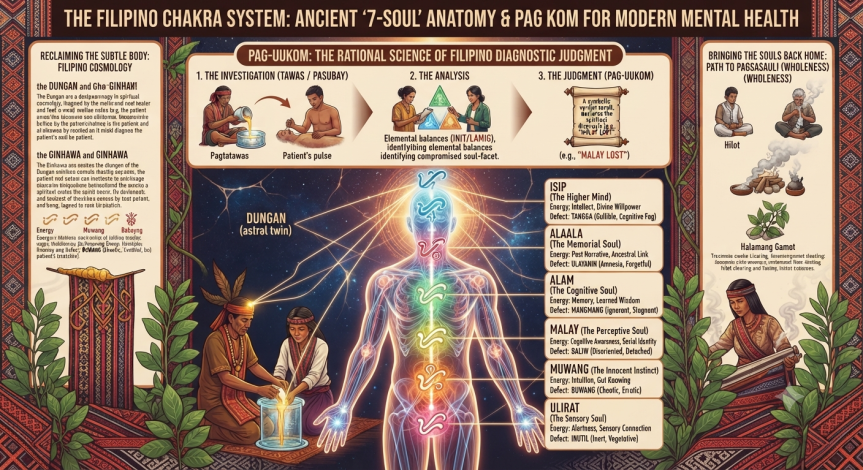
3:00 PM- 4:00 PM The 7 Souls according to our Indigenous Filipino Ancestors 

4:00 PM- 5:00 PM Traditional Alternative Wellness Analytic System (TAWAS) 

5:00 PM- 6:00 PM Finger Alignment 

Session 5 

1:00 PM- 2:00 PM Finger Poking 

2:00 PM- 3:00 PM Introduction to the Practice of Tawas 

3:00 PM- 4:00 PM Discussion on the Indigenous Spiritual Realms of the Filipino 

4:00 PM- 5:00 PM The Power of words in creation and destruction 

5:00 PM- 6:00 PM Recognizing Shapes and Symbols 

Session 6  

1:00 PM- 6:00 PM Demonstration and Practice of Tawas sa Papel 

Session 7 

1:00- 6:00 PM Demonstration and Practice of Tawas sa Kandila 

Session 8 

1:00 PM- 6:00 PM Demonstration and Practice of Tawas sa Itlog 

Session 9 

1:00 PM- 2:00 PM Hilot Body Parts 

2:00 PM- 3:00 PM Visual Assessment 

3:00 PM- 4:00 PM Auditory Assessment 

4:00 PM- 5:00 PM Olfactory Assessment 

5:00 PM- 6:00 PM Tactile Assessment 

Session 10 

1:00 PM- 2:00 PM Introduction to Vital Signs 

2:00 PM- 3:00 PM Elemental Correspondence of the Vital Signs of LIfe 

3:00 PM- 4:00 PM Tools used in Measuring Vital Signs 

4:00 PM- 5:00 PM Manual measurement of Respiration and Pulse Rate & use of Oxy Meter 

5:00 PM- 6:00 PM Manual measurement of Blood Pressure and use of sphygmomanometer and stethoscope 

Session 11 

1:00 PM- 2:00 PM Understanding Traditional Pulse Reading Analysis 

2:00 PM- 3:00 PM The Left and Right Pulse 

3:00 PM- 4:00 PM Determining the Distal, Medial, Proximal Radial Arterial Pulse Site 

4:00 PM- 5:00 PM Taking the Deep & Superficial Pulse  

5:00 PM- 6:00 PM Analyzing Pulse and Making Feed Back 

Session 12 

1:00 PM- 2:00 PM Importance of Cleansing in Healing the Physical and Spiritual Body 

2:00 PM- 3:00 PM Internal and External Cleansing 

3:00 PM- 4:00 PM Different Cleansing method and its indication 

4:00 PM- 5:00 PM Suob 

5:00 PM- 6:00 PM Paligo 

Session 13 

1:00 PM- 6:00 PM Dagdagay/ Kulis Traditional Filipino Stick Foot Massage 

Session 14 

1:00 PM- 6:00 PM Pagsasala Leaf Scanning 

Session 15 

1:00 PM- 6:00 PM Tawak/ Bentusa/ Tandok Treatment 

Session 16 

1:00 PM- 2:00 PM Pindot Earth Elemental Touch 

2:00 PM- 3:00 PM Haplos Spirit Elemental Touch 

3:00 PM- 4:00 PM Hagod Water Elemental Touch 

4:00 PM- 5:00 PM Pisil Air Elemental Touch 

5:00 PM- 6:00 PM Piga Fire Elemental Touch  

Session 17 

1:00- 6:00 PM Demonstration and Practice of Dry Hilot Touch Manipulation 

Session 18 

1:00 PM- 2:00 PM Hands, Arms & Shoulder 

2:00 PM- 3:00 PM Chest, Head & Face 

3:00 PM- 4:00 PM Stomach/ Abdomen 

4:00 PM- 5:00 PM Side Lying Position  

5:00 PM- 6:00 PM Side Feet, Calf and Legs and sitting as Final position 

Session 19 

Supervised Practice Session with client 

Session 20 

Graduation Ceremony & Ordination 

ADOPTED THIS 4TH DAY OF JULY 2026

From Soil to Healing: My Journey Back to the Roots of Albularyo

“Before I learned how to touch the body as a Manghihilot, I first learned how to touch the soil.”

Many people assume that the journey of a Manghihilot begins with healing aches and pains, performing therapeutic massage, or learning traditional diagnostic methods. Yet my own story began somewhere far simpler—inside a small patch of soil.

As a child, I was fascinated by growing plants.

I would collect soil from around our home and improve it using what we now call composting. I buried vegetable peels, kitchen scraps, and the dust I gathered while sweeping the floor. At that age, I did not know the scientific terms for decomposition, organic matter, or microbial activity. I only knew that healthy plants required healthy soil.

After patiently caring for the soil, I planted seeds. Tomatoes and chili peppers were among my favorites. Later, I learned how to grow herbs through stem cuttings. What seemed almost magical to me then was how a small cutting from a living plant could become a completely new plant when given enough care and patience.

When I was young, propagating plants felt effortless.

As I grew older, life became busier. Responsibilities expanded. My attention shifted toward ministry, healing, teaching, and community work. Somewhere along the way, I began to feel that I had lost my natural ability to grow plants. Attempts at gardening became less successful than before, and I wondered if the gift had somehow disappeared.

Then something unexpected happened.

The Return of an Old Gift

On June 22, 2026, I returned to our ancestral home and shared lunch with my sister. During that visit, I noticed a Lagundi plant. On impulse, I cut several stems and decided to grow them.

The cuttings were placed in water.

Days passed.

Then something remarkable occurred.

Tiny leaves began to emerge.

One stem sprouted. Then another. Then all three.

As I watched those fresh green leaves unfold, I felt a deep sense of gratitude. The ability I thought I had lost had never truly disappeared. It had simply been waiting for the right moment to be remembered.

Today, those Lagundi cuttings are still developing their roots. Soon they will be transferred into healthy soil where they can continue their journey of growth.

For me, these small buds represent more than gardening. They are a reminder that healing traditions must also be planted, nurtured, and passed forward.

Healing Beyond the Human Body

Modern people often associate Hilot exclusively with physical healing. While bodywork is certainly important, traditional Filipino healing has always encompassed much more.

A true Manghihilot understands that healing involves the body, mind, spirit, community, and environment.

This is where the role of the Albularyo, Herbularyo, or traditional plant medicine practitioner becomes important.

The term “Albularyo” became widely used during the colonial period, but throughout the Philippines, traditional healers are known by different names.

In the Visayas, many are known as Mananambal.

In my father’s hometown in Siargao Island, traditional healers are often referred to as Binisaya. While I am not entirely certain about the historical origin of this local term, the healers known by this name are respected for their knowledge of medicinal plants and their ability to communicate with unseen spiritual forces in seeking healing for those who come to them.

Long before the arrival of foreign colonizers, there were no universities, medical colleges, or certification programs teaching plant medicine.

There were no laboratory reports.

No scientific journals.

No botanical databases.

Yet our ancestors developed an intimate understanding of the healing properties of plants.

Their classroom was the forest.

Their library was nature.

Their teacher was direct experience.

Many traditional healers learned through observation, practice, dreams, spiritual experiences, mentorship, and generations of oral transmission.

Ancient Wisdom in the Age of AI

Today we live in a different world.

Information that once took years to acquire can now be accessed in seconds through search engines, online libraries, and artificial intelligence platforms such as Microsoft Copilot, ChatGPT, and Gemini.

This is both a blessing and a challenge.

Technology allows us to identify plants, research traditional uses, compare scientific studies, and explore healing traditions from around the world. However, information alone does not create wisdom.

Reading about a plant is different from growing it.

Looking at a photograph is different from caring for it daily.

Memorizing medicinal uses is different from developing a relationship with the living plant itself.

Traditional healing requires participation.

It requires dirt beneath the fingernails.

It requires patience.

It requires observation.

It requires respect.

Introducing the Certificate Program on Albularyo

At Hilot Academy of Binabaylan, we believe that traditional healing must remain connected to lived experience.

This is why we are preparing to offer a Certificate Program on Albularyo, alongside our programs in Hilot Binabaylan Practice, Magtatawas, and Hilot Diagnostics.

The Albularyo Certification Program is not designed to be a spoon-feeding course.

Students should not expect to simply watch videos, memorize information, and receive a certificate.

Instead, they will be challenged to become students of nature itself.

Participants may be required to:

  • Create and nourish their own soil.
  • Learn basic composting practices.
  • Grow medicinal plants from seeds.
  • Propagate plants through roots and stem cuttings.
  • Observe plant growth and development.
  • Identify medicinal herbs in their local environment.
  • Research traditional and modern uses of plants.
  • Learn safe preparation methods for herbal remedies.
  • Maintain a personal herbal garden.
  • Document experiences and observations through practical assignments.

This approach ensures that learning moves beyond theory and enters direct experience.

A student who successfully grows Lagundi understands something that cannot be fully taught in a lecture.

A student who nurtures a medicinal plant from seed learns patience.

A student who observes growth cycles learns timing.

A student who works with soil learns humility.

These are qualities that every healer needs.

A Call to Future Albularyos

The future of traditional Filipino healing depends not only on preserving knowledge but also on preserving our relationship with the living world.

The next generation of Albularyos must be willing to learn from both tradition and modern research.

They must be comfortable using books, scientific references, and digital tools, while also being willing to kneel on the ground, touch the soil, and cultivate medicinal plants with their own hands.

The small Lagundi cuttings growing in my home remind me that healing traditions are much like plants.

If neglected, they wither.

If nurtured, they grow.

If shared, they multiply.

And just as a simple stem cutting can eventually become a strong medicinal shrub, a sincere student can grow into a healer who serves family, community, and future generations.

The journey of an Albularyo begins not with receiving a certificate.

It begins with planting a seed.

Interested in becoming a student of traditional Filipino plant medicine?

Watch for the upcoming launch of the Certificate Program on Albularyo at the Hilot Academy of Binabaylan, where healing begins with the soil, grows through experience, and blossoms into service.

🌿 “To heal the people, we must first learn to heal our relationship with the plants.” – Rev. Rolando Gomez Comon

Beyond the Massage Table: Reconnecting with the Soul and Preserving the Lineage of Indigenous Filipino Hilot

In an era dominated by commercialized wellness trends and generic spa packages, global seekers are increasingly looking for something deeper—a practice rooted not just in physical relief, but in spiritual lineage and cultural truth. For those yearning for an authentic reconnection and profound immersion into indigenous Filipino culture and tradition, there is no substitute for journeying to the source.

Learning Hilot in the Philippines is more than an academic pursuit; it is a sacred pilgrimage, a dynamic cultural immersion, and a conscious act of ancestral preservation.

1. Direct Transmission of an Ancient, Living Lineage

Hilot is not a mechanized modality that can be fully understood through text or pre-recorded videos. It is a living tradition where knowledge is passed down through oral history, hands-on mentorship, and a deep spiritual covenant between teacher and student.

When you learn Hilot in its homeland, you are stepping into an unbroken lineage of traditional practitioners—Manghihilot and Albularyo—who have preserved these sacred arts through generations. You learn to read the body’s elemental imbalances, understand the subtle flow of energy (bisa), and respect the spiritual ethics that govern traditional healing. By receiving this knowledge directly from legitimate master mentors, students ensure that the ancient wisdom is carried forward with absolute accuracy and deep respect.

2. Safeguarding the Lineage Against Dilution and Appropriation

In a rapidly modernizing world, indigenous healing systems face the constant threat of dilution, commercial distortion, and cultural appropriation. When Hilot is detached from its roots and treated merely as an exotic massage technique, its spiritual essence is lost. Choosing to learn within an authentic lineage is a revolutionary act of cultural preservation.

  • Protecting the Spiritual Covenant: True Hilot is not a transactional service; it is a sacred bond—a spiritual covenant—between the healer, the community, and the unseen energies of nature. Learning the tradition properly means inheriting the ethical responsibilities and spiritual discipline required to carry the title of Manghihilot.
  • Resisting Commercial Dilution: Westernized spa industries often sanitize indigenous practices, stripping away the necessary prayers (bulong or orasyon), ancestral rituals, and symbolic elemental analyses. Studying within the authentic lineage ensures these core spiritual frameworks remain intact and respected, rather than erased for commercial appeal.
  • Mastering Authentic Assessments: True lineage preservation relies on mastering traditional diagnostic arts rather than superficial modern substitutes. This includes Pagsasala—the precise method of scanning or filtering the body’s energy and heat imbalances using a warm banana leaf—alongside profound Sangguni (ritual counseling) and elemental name energetic balance analyses. Keeping these specific, time-honored methodologies alive prevents the core identity of Hilot from being erased.

3. Full Cultural and Environmental Immersion

To truly comprehend Hilot, one must understand the environment that birthed it. The practice is intrinsically tied to the Filipino worldview, which sees no division between humanity, nature, and the spiritual realm.

By immersing yourself in the authentic local environment, you experience the cultural nuances that shape the healing arts:

  • The Concept of Ginhawa: Learning how true wellness is tied to breath, comfort, and a peaceful, liberated inner state.
  • The Spirit of Bayanihan: Witnessing how community care and collective unity form the backbone of traditional Filipino society and healing spaces.
  • Ritual and Reverence: Engaging with the local environment helps a student appreciate how traditional medicine connects directly to regional ecosystems and ancestral spirituality.

4. Healing the Economy: The Ripple Effect of Your Learning

Choosing to travel to the Philippines to study Hilot does more than heal the self and protect a lineage—it actively helps heal the local economy. Wellness tourism centered around indigenous practices creates a sustainable ecosystem that directly supports everyday Filipinos and small-scale businesses.

When a student comes to the Philippines, their journey creates a powerful ripple effect of economic support:

[International Student Arrives]
├──► Local Transport (Grab drivers, Tricycle drivers)
├──► Hospitality & Living (Local hotels, Homestays, Neighborhood eateries)
└──► Agriculture & Markets (Farmers growing ginger, lemongrass, & coconuts)
  • Immediate Transport Support: From the moment you land, your journey supports airport transport workers and the local tricycle drivers who navigate the community streets.
  • Hospitality and Food: Staying at local accommodations and dining at turo-turo (neighborhood eateries), neighborhood street vendors like the magtataho, or regional restaurants ensures your resources stay within the community.
  • Sourcing from the Palengke: Hilot relies heavily on fresh, natural elements. As a student, your practice directly supports local market vendors and indigenous farmers who cultivate essential botanical materials like fresh ginger, lemongrass, cayenne, and coconuts for traditional langis (healing oils).

A Journey of Reciprocity

Ultimately, studying Hilot in the Philippines is an exercise in sacred reciprocity. You receive the profound gift of ancient indigenous wisdom, a restored sense of energetic balance, and a genuine connection to the Filipino soul. In return, you honor the culture by learning it respectfully at the source, empowering local knowledge keepers, and leaving behind a meaningful economic footprint that sustains the very communities keeping this endangered tradition alive.

For those ready to move past the superficial and step into a living, breathing legacy: the homeland of Hilot awaits.

Bridging Ethical Practice and Sacred Autonomy: A Reflection on Spiritual Healing

In recent days, a meaningful exchange took place between our institution—the Hilot Academy of Binabaylan under Templong Anituhan Inc.—and the Philippine Institute of Traditional and Alternative Health Care (PITAHC).

What began as a simple letter expressing concern over certain healing methods has opened a deeper conversation—one that touches on ethics, responsibility, tradition, and the sacred nature of healing.

This moment invites reflection, not division.

A Shared Commitment to Ethical Healing

At the heart of our communication is a shared truth:

Healing must always be grounded in compassion, dignity, and non-violence.

We recognize and affirm the important role of PITAHC in:

  • Promoting safety and accountability
  • Establishing standards in traditional healing
  • Protecting communities from harm

These are necessary and valuable contributions to public well-being.

At the same time, our reflection arises from a deeper concern:

👉 That all healing—whether physical, emotional, or spiritual—must never involve harm, coercion, or distress.

Healing is not domination.
Healing is not force.
Healing is the gentle restoration of balance.

The Distinction of Spiritual Healing

While many healing systems fall within the scope of regulation and certification, there exists a domain that is fundamentally different:

Spiritual Healing rooted in Indigenous and Sacred Traditions

Hilot Binabaylan, as practiced in our institution, belongs to this sacred domain.

It is not merely a technique.
It is not only a method.
It is a way of being, a calling, and a spiritual ministry.

It integrates:

  • The body (physical wellness)
  • The mind (awareness and intention)
  • The spirit (sacred connection and ancestral guidance)

In this sense, it transcends the framework of conventional healthcare systems.

On Regulation and Sacred Boundaries

In response to our letter, PITAHC kindly suggested applying for certification or recognition.

We receive this with respect.

However, it is important to clarify:

👉 Our intention was never to seek certification.

This is not out of resistance, but out of responsibility to the nature of our work.

Spiritual healing—particularly those rooted in indigenous traditions—belongs to a space that is:

  • Protected by freedom of religion and belief
  • Guided by ancestral knowledge systems
  • Sustained through initiation, formation, and spiritual lineage

To subject such practices to formal regulation in the same way as physical modalities risks something deeper:

It may unintentionally limit, redefine, or diminish the spiritual essence of the practice.

Sacred traditions are not merely systems to be standardized.
They are living relationships—with spirit, land, and community.

Indigenous Wisdom and Ethical Responsibility

This position is not a rejection of accountability.

On the contrary, Indigenous spiritual traditions carry their own forms of responsibility:

  • Eldership and mentorship
  • Ritual discipline
  • Spiritual discernment
  • Community-based validation

These are not lesser forms of accountability—they are simply different in nature.

In fact, they demand:

  • Deeper humility
  • Greater integrity
  • And a lifelong commitment to ethical service

Toward a Framework of Shared Ethical Principles

Rather than viewing regulation and spiritual autonomy as opposing forces, we see an opportunity:

A space for dialogue and collaboration grounded in shared values

Such a framework may include:

  • Non-violence in all forms of healing
  • Respect for human dignity and consent
  • Protection of vulnerable individuals
  • Cultural sensitivity and Indigenous respect
  • Clarity between physical, therapeutic, and spiritual practices

In this shared space:

  • Government institutions can safeguard public welfare
  • Spiritual institutions can preserve sacred integrity

Both serve the same people.

A Living Conversation

This is not the end of a discussion—it is the beginning of one.

We remain open to meaningful dialogue with PITAHC and other institutions, not to conform or to control, but to:

🌿 Co-create a holistic and ethical landscape of healing in the Philippines

One that honors:

  • Science and spirit
  • Safety and sacredness
  • Regulation and freedom

Closing Reflection

As we continue our work in Hilot Binabaylan and the ministry of Templong Anituhan, we hold firmly to this guiding truth:

Healing is sacred.
And what is sacred must be protected—not only from harm, but from being reduced to something it is not.

May we move forward together—with wisdom, humility, and respect for all paths that lead toward healing.

From Healing Hands to Nation Building: The Evolving Path of Hilot Binabaylan

Yesterday, June 14, 2026, marked a significant milestone for the Hilot Academy of Binabaylan as we conducted the Assessment Day of our Hilot Binabaylan Alignment Program. Present during this important rite of passage were Gian Abian, Emel Pascua, and Wilan Silvan—three dedicated practitioners who are set to graduate on June 21, 2026.

Their graduation carries historic weight. They will become the last recipients of the Master’s in Ministry on Hilot Binabaylan Practice.

This transition, however, is not a downgrade of our program—it is a profound upgrade in our vision, structure, and responsibility.

A New Educational Horizon: The 2027 Degree Program

Beginning in 2027, the Hilot Academy of Binabaylan will strive to implement a more comprehensive academic pathway: the
Bachelor’s in Ministry on Indigenous Filipino Healing Arts and Science.

This four-year degree program is designed to strengthen both the intellectual and practical foundations of future healers. It will integrate certification tracks in:

  • Magtatawas (diagnostic ritual practice)
  • Spiritual Wellness Facilitation
  • Albularyo (traditional community healing)
  • Hilot Binabaylan Practice

The program will follow a blended (hybrid) learning model, where:

  • Theoretical subjects are studied online, allowing accessibility to students from various locations.
  • Practical training is conducted in person, under the direct guidance of our trained mentors—the Hilot Tanglaw.

This ensures that learning is not merely conceptual, but embodied.

Dunong Hilot: Beyond Knowledge, Toward Embodied Wisdom

The transmission of Dunong Hilot (Hilot Knowledge) is anchored in four essential pillars:

1. Knowledge

Understanding the theories, principles, and cultural context of Hilot.

2. Skills

The actual ability to perform healing techniques effectively.

3. Ability

The natural capacity and intuitive sensitivity that a practitioner brings into the healing process.

4. Attitude

The ethical foundation—how a healer treats patients, community, and the sacred responsibility of healing.

Through years of teaching, I have encountered students who excel in theory yet struggle in practice. This is why our evolving framework emphasizes integration—where knowledge must become action, and action must be guided by wisdom and compassion.


Honoring Lineage: Healing as Ancestral Continuity

As Indigenous Healers, Hilot Binabaylan practitioners are taught the sacred value of ancestral recognition.

Hilot is not a personal invention or a system for self-glorification. It is a living lineage—a continuation of the wisdom passed down by our ancestors, the original stewards of this land.

Preserving this lineage is not about demanding recognition for oneself, but about restoring honor to those who came before us. In doing so, we reclaim not only healing practices, but also cultural identity and spiritual sovereignty.

Hilot in Action: Healing Beyond the Physical

During our recent assessment, one graduating candidate shared a powerful insight:
that a simple pagtatawas (ritual diagnosis) is not limited to identifying the cause of illness—it can also become a bridge toward resolving deeper life concerns.

In one instance, this practice evolved into a form of life coaching and relationship counseling, helping strengthen the bond between a couple.

This is the essence of Hilot.

Healing is not confined to the body.
It extends into the emotional, relational, and spiritual dimensions of life.


The Hilot as a Nation Builder

This is the future we envision:

A generation of healers who are not driven solely by patients or profit, but by service to humanity.

A Hilot is:

  • A healer of individuals
  • A guide for families
  • A stabilizer of communities
  • A bridge between past and future

When practiced with integrity, Hilot becomes a force of social transformation.

By restoring balance in individuals, we restore harmony in families.
By strengthening families, we rebuild communities.
By empowering communities, we participate in the healing and rebuilding of our nation.


A Call to Purpose

As we prepare to graduate the final batch of Master’s-level Hilot Binabaylan practitioners, we also open a new chapter—one that calls for deeper commitment, broader learning, and greater responsibility.

The path of Hilot is not merely a career.
It is a calling.

And in answering that calling, we become more than healers—we become nation builders.

Compassion, Not Harm: Understanding True Healing in Hilot Binabaylan Practice

In recent times, a circulating video has raised serious concern within the healing community—a portrayal of a so-called “spiritual healer” using forceful and painful methods that appear violent, aggressive, and devoid of compassion. Such representations not only alarm the public but also mislead people about the true nature of traditional Filipino healing.

As practitioners and guardians of Hilot Binabaylan, it is our duty to clarify:
Authentic Hilot is not violence. It is healing grounded in care, alignment, and love.

Hilot Is Not Just Massage

One of the most common misconceptions is that Hilot is simply a form of massage meant for relaxation. This is not entirely accurate.

While massage focuses on soothing muscles and providing comfort, Hilot goes deeper. It is a traditional healing art that:

  • Identifies imbalances within the body
  • Restores alignment and energetic flow
  • Addresses physical, emotional, and spiritual disturbances

In Hilot Binabaylan, healing is intentional and corrective, not merely superficial.

Why Hilot Can Be Painful—But Only Briefly

It is true that Hilot can sometimes feel painful—but this must be properly understood.

The discomfort experienced during a Hilot session is not meant to harm. Rather, it is a natural response of the body when an imbalance is being corrected. When a part of the body is misaligned or blocked, the initial touch may trigger a moment of pain.

However, this follows a clear pattern:

  1. First stroke (unang hagod): discomfort or sharp sensation where imbalance exists
  2. Subsequent strokes: gradual reduction of pain
  3. Final phase: relief, lightness, and restored flow

The goal is not to inflict pain, but to reduce it until it completely disappears.

Gentleness Is Central to Hilot Practice

True Hilot is never executed through aggression.

A legitimate Hilot practitioner works with:

  • Controlled, gentle movements
  • Heightened awareness of the body’s response
  • Calm and focused intention
  • Respect for the patient’s limits

Healing is not achieved by force, anger, or punishment.
It is achieved through precision, sensitivity, and compassion.

The behavior shown in the viral video—violent striking, harsh handling, and use of instruments with aggression—does not represent Hilot Binabaylan.

Traditional Healing Tools: Purposeful, Not Harmful

Hilot does involve the use of tools, but always with therapeutic intention and care. These include:

  • Baso (glass cupping) for bentusa (suction therapy)
  • Leaves (dahon) used for scanning and diagnosing imbalances
  • Bamboo or guava sticks for controlled pressure application
  • Coconut midrib (tingting) used in gentle tapping techniques

For example, in the pa-tapik method using 13 coconut sticks, the tapping is light and rhythmic, designed to stimulate circulation—not to injure or punish the body.

Every tool in Hilot serves a healing purpose, never a destructive one.

Healing Is Rooted in Love and Care

The core principle of Hilot Binabaylan is simple yet profound:

Healing must come from love (pag-ibig) and compassion (pagmamalasakit).

Without these, any act cannot be called healing.

A true healer:

  • Does not dominate the patient
  • Does not inflict unnecessary pain
  • Does not act out of ego or anger

Instead, the healer becomes a channel of balance, care, and restoration.

Guidance for Patients Seeking Spiritual Healing

For those seeking the help of a spiritual healer, discernment is essential. Not all who claim to heal are legitimate practitioners.

Before entrusting your well-being, consider the following:

Check for Ordination Credentials

A true spiritual healer should be ordained by a legitimate spiritual or religious institution, authorizing them to practice healing responsibly.

Verify Legal Compliance

If they accept payments or donations:

  • Look for DTI Registration
  • Ensure they have a Mayor’s Permit

If they operate a chapel or organization:

  • Ask for SEC Registration
  • Confirm BIR Registration and official receipts

Observe Their Conduct

A legitimate healer:

  • Works with calmness and respect
  • Explains the process clearly
  • Prioritizes your safety and consent

Never trust a healer who:

  • Uses fear, intimidation, or violence
  • Claims absolute power or authority over your body
  • Justifies harm as “necessary suffering”

A Call to Spiritual Healers: Walk the Path with Integrity

If you feel called to become a spiritual healer, remember that healing is not just a gift—it is a sacred responsibility. It requires proper guidance, ethical grounding, and spiritual accountability.

At the Hilot Academy of Binabaylan, we invite you to take a higher step in your journey by becoming a Certified Spiritual Wellness Facilitator.

This program is designed to:

  • Provide proper spiritual formation and guidance
  • Ground your healing practice in authentic Filipino Indigenous wisdom
  • Ensure your work is aligned with ethics, compassion, and legitimacy
  • Offer ordination credentials that affirm your role as a responsible healer

Ordination is not about titles—it is about accountability to the people you serve and the spiritual forces you work with.

If you are truly called to heal, then walk the path with discipline, humility, and love.

👉 Begin your journey today. Become an ordained Spiritual Wellness Facilitator.
Visit: https://www.hilotacademy.com

Let us uphold the honor of healing by becoming instruments of
care, not harm… balance, not fear… love, not violence.

PITAHC, Spiritual Healing, and the Call to Ethical Ordination: A Position of the Hilot Academy of Binabaylan on Safe and Sacred Healing

Introduction

In recent years, there has been a renewed interest in traditional and spiritual healing practices across the Philippines and among Filipinos worldwide. This resurgence is both a blessing and a responsibility.

The Philippine Institute of Traditional and Alternative Health Care (PITAHC), through its public announcements, continues to remind us that while traditional healing—such as hilot—plays an important role in Filipino wellness, it must be practiced with discipline, accountability, and care.

As the Hilot Academy of Binabaylan, we honor this reminder and offer our reflection, while also affirming our deeper commitment:
👉 Healing must be both spiritually authentic and ethically grounded.

Understanding PITAHC’s Role in Healing

PITAHC was established under Republic Act No. 8423 (Traditional and Alternative Medicine Act of 1997) to promote, regulate, and integrate traditional healing into the national healthcare system.

Its mission includes:

  • Setting standards for safety and quality in traditional healing
  • Certifying practitioners and accrediting facilities
  • Protecting the Filipino public from unsafe or unqualified practices
  • Supporting the integration of traditional medicine into modern healthcare

Through its recent messaging, PITAHC emphasizes a simple but powerful truth:

Not all healing practices are safe—and not all practitioners are properly trained.

Thus, the call for certification and accreditation is not a restriction, but a protection—for both healer and patient.

Reflection on the PITAHC Video

The shared PITAHC video carries a clear message:
👉 Seek healing only from trained, recognized, and accountable practitioners.

This message is important in a time when:

  • Anyone may claim to be a healer
  • Spiritual practices are easily shared online without guidance
  • Vulnerable individuals may seek help without knowing whom to trust

The video affirms that hilot—and by extension, all traditional healing—must be practiced with:

  • Competence
  • Responsibility
  • Respect for human well-being

We recognize and support this direction.

The Deeper Issue: Spiritual Healing Without Formation

Beyond hilot massage and bodywork, there is a growing field of spiritual healing, including:

  • Energy healing
  • Ritual healing
  • Ancestral or indigenous practices
  • Spirit communication and intervention

While these practices are part of cultural and spiritual heritage, they also carry serious risks when performed without proper formation.

Today, we see concerning patterns:

  • Self-declared “healers” without training or guidance
  • Misinterpretation of spirit possession leading to harmful interventions
  • Rituals performed without ethical standards or accountability
  • Physical or psychological harm inflicted in the name of healing

This is where the conversation must deepen.

Our Strong Stand: Healing Must Never Be Violent

As the Hilot Academy of Binabaylan, we make this clear and uncompromising declaration:

We condemn any form of violence in healing—especially in the context of exorcism, spirit possession, or spiritual intervention.

We do NOT approve of:

  • Physical restraint or harm as part of ritual practice
  • Beating, shaking, or forceful expulsion methods
  • Emotional or psychological abuse justified as “spiritual cleansing”
  • Any act that violates the dignity and safety of a person

No spirit, no tradition, and no belief system justifies violence.

True healing is:

  • Gentle
  • Respectful
  • Protective
  • Life-giving

The Sacred Responsibility of Ordination

While certification ensures technical competence, ordination ensures spiritual responsibility.

We therefore strongly emphasize:

👉 Spiritual healers must not only be trained—they must be formed, guided, and ordained.

What is Ordination in Spiritual Healing?

Ordination is not merely a title. It is a sacred commitment that includes:

  • Ethical discipline
  • Spiritual accountability
  • Mentorship under experienced elders or clergy
  • Alignment with a recognized lineage or tradition
  • Ongoing formation and self-refinement

An ordained healer is not self-appointed.
They are recognized, guided, and held accountable.

Freedom of Religion and Responsibility

The 1987 Philippine Constitution guarantees freedom of religion, allowing individuals to practice their beliefs freely.

However, we affirm this important truth:

Freedom of religion does not mean freedom to harm others.

With spiritual authority comes moral and social responsibility.

Therefore, we encourage:

  • Responsible exercise of spiritual gifts
  • Accountability within a community or order
  • Respect for both spiritual and public health standards

Guidance for Patients and Seekers of Healing

For those seeking spiritual or traditional healing, we offer this guidance:

🔍 1. Verify the Healer

  • Are they trained or certified (e.g., PITAHC for hilot)?
  • Are they ordained or recognized within a legitimate spiritual tradition?

🛑 2. Watch for Red Flags

Avoid practitioners who:

  • Use force, fear, or intimidation
  • Claim absolute power or exclusivity
  • Refuse transparency about their training or lineage
  • Pressure you into rituals or payments

🤝 3. Ensure Consent and Respect

  • Healing must always be with your full consent
  • You should feel safe, respected, and empowered

🌿 4. Integrate with Proper Care

  • Spiritual healing may complement—but not replace—professional medical care
  • Responsible healers will refer when necessary

Our Call to Spiritual Healers

To all who walk the path of healing:

  • Seek proper education and training
  • Submit to ordination and mentorship
  • Practice with humility and discipline
  • Align with ethical and safety standards
  • Honor both tradition and human dignity

Healing is not a performance—it is a sacred service.

Toward a Future of Safe and Sacred Healing

We envision a future where:

  • PITAHC-certified practitioners and spiritually ordained healers work together
  • Indigenous wisdom is preserved with integrity and accountability
  • Patients are protected from harm and guided toward genuine healing
  • Spiritual practice becomes a force of compassion, not fear

Final Words

Let us raise a standard where:

  • Healing is never violent
  • Spiritual authority is never abused
  • Every healer is accountable
  • Every patient is protected

In this way, we honor both our ancestral traditions and our responsibility to the present generation.

Spa Massage vs. Hilot Binabaylan Treatment: Reclaiming Indigenous Wisdom for Optimal Health and Wellness

Introduction

In today’s fast-paced world, people increasingly seek ways to restore balance, relieve stress, and maintain overall health. Two common approaches to bodywork and healing are modern spa massage and the traditional Filipino practice of Hilot Binabaylan. While both involve touch and therapeutic intent, they differ profoundly in philosophy, process, and impact.

This article explores these differences and highlights why Indigenous Filipino healing arts, particularly Hilot Binabaylan, offer a deeper and more holistic pathway toward optimal health and wellness.

Understanding the Two Systems

Spa Massage

Spa massage is part of the global wellness industry. It is:

  • Client-driven (the client chooses the service)
  • Designed primarily for relaxation, stress relief, and muscle tension release
  • Standardized and often commercialized
  • Focused mainly on the physical body

It operates within a service model: the client pays for a predefined experience.

Hilot Binabaylan Treatment

Hilot Binabaylan is an indigenous Filipino system of healing rooted in ancestral knowledge and spiritual tradition.

It is:

  • Healer-guided (the Manghihilot diagnoses and prescribes treatment)
  • Holistic, addressing body, mind, energy, spirit, and environment
  • Ritual-based and culturally grounded
  • A sacred encounter, not merely a service

It operates within a healing relationship, where the Manghihilot serves as a mediator of balance and harmony.

Key Differences in Practice

1. Decision-Making and Authority

Spa MassageHilot Binabaylan
Client chooses treatmentManghihilot determines treatment after diagnosis
Preference-basedCondition-based

Insight:
Hilot recognizes that the body’s needs are not always consciously known by the client. Healing requires discernment, not preference.

2. Assessment and Diagnosis

Spa Massage:

  • Brief consultation
  • Focus on pain areas or desired pressure

Hilot Binabaylan:

  • Comprehensive diagnostic system:
    • Pasubay (Finger Alignment)
    • Tudluan (Poking Assessment)
    • Pulse Reading
    • Sensory observation (5 senses)
  • Energetic, physical, and intuitive evaluation

Insight:
Hilot treats the root cause, not just the symptoms—bridging physical and energetic imbalances.

3. Preparation and Cleansing

Spa Massage:

  • Optional shower or foot soak
  • Focus on hygiene and comfort

Hilot Binabaylan:

  • Ritual cleansing is essential:
    • Foot cleansing (spiritual grounding and purification)
    • Punas (wiping away negative energy)
    • Suob (herbal steaming)
    • Paligo with hilod (deep cleansing)

Insight:
Hilot acknowledges that illness may arise from energetic and environmental impurities, not just physical strain.

4. Treatment Approach

Spa Massage:

  • Uses a single modality (e.g., Swedish, deep tissue)
  • Focus on muscle relaxation

Hilot Binabaylan:

  • Multi-layered approach based on diagnosis:
    • Pagsasala (leaf scanning)
    • Bentusa (cupping)
    • Dagdagay (pressure stick therapy)
    • Hilot masahe (manual manipulation)

Insight:
Hilot is adaptive and integrative, addressing multiple dimensions of imbalance simultaneously.

5. Role of the Body and Clothing

Spa Massage:

  • Often requires partial undressing
  • Direct skin contact is standard

Hilot Binabaylan:

  • Can be performed with clothing
  • Works through energy pathways and body awareness
  • Often begins in supine position (face up)

Insight:
Hilot affirms that healing is not dependent on exposure of the body, but on alignment and flow.

6. Spiritual and Cultural Dimension

Spa Massage:

  • Secular, commercial environment
  • Focus on ambiance and comfort

Hilot Binabaylan:

  • Sacred healing space
  • May include:
    • Prayer or invocation
    • Connection to Diwata and ancestral guidance
    • Respect for nature and elements

Insight:
Hilot restores the sacred relationship between human, nature, and spirit, often missing in modern wellness practices.

7. Aftercare and Integration

Spa Massage:

  • Water or tea
  • Minimal follow-up

Hilot Binabaylan:

  • Herbal tea and nourishment
  • Home care recommendations
  • Follow-up sessions

Insight:
Hilot is not a one-time relief—it is part of a continuing journey toward balance and transformation.

Why Hilot Binabaylan is Essential for Optimal Health and Wellness

1. Holistic Healing

Hilot addresses:

  • Physical pain
  • Emotional stress
  • Energetic imbalance
  • Spiritual disconnection

This leads to deeper and longer-lasting healing.

2. Preventive Care

Through early detection via Pasubay and pulse reading, Hilot can:

  • Identify imbalance before it becomes illness
  • Restore flow and harmony proactively

3. Cultural Identity and Ancestral Connection

Hilot reconnects individuals to:

  • Indigenous Filipino knowledge
  • Ancestral healing traditions
  • Cultural identity and pride

Healing becomes not only personal, but cultural restoration.

4. Energy Awareness and Balance

Unlike spa massage, Hilot recognizes:

  • Lamig (cold imbalance)
  • Bara (blockage)
  • Disruptions in life force (UliRat)

This expands healing beyond anatomy into vital energy systems.

5. Sacredness of Healing Space

Hilot transforms treatment into a:

  • Ritual of purification
  • Space of transformation
  • Act of reverence for life

Conclusion

While spa massage provides comfort and temporary relief, Hilot Binabaylan offers a more profound and transformative healing experience rooted in Indigenous Filipino wisdom.

  • Spa massage relaxes the body
  • Hilot Binabaylan restores the whole being

In reclaiming and practicing Hilot, we are not only healing individuals—we are:

  • Reviving ancestral knowledge
  • Strengthening cultural identity
  • Re-establishing harmony between humans, nature, and the unseen

Final Reflection

In the language of healing:

  • Spa asks: “What feels good right now?”
  • Hilot asks: “What must be restored for you to be whole?”

The Shield of Siyargaw, the Hope of Esperanza: The Living Lineage of Rev. Rolando Gomez Comon

Deep within the vast mangrove channels of Del Carmen, Siargao, sits a coastal enclave named Barangay Esperanza. To the untrained eye, it is a serene village defined by the rhythmic tides of the Philippine Sea. But to those who carry its blood, it is a sanctuary of profound spiritual and civic guardianship. The name Esperanza translates directly to “Hope”—a title born out of a centuries-old prayer for resilience against the storms of nature and history.


Directly in front of the community’s spiritual anchor, the San Vicente Ferrer Chapel, sits an ancestral property belonging to the Comon family. This house was never just a residence; it was the unofficial session hall, the refuge for weary travelers, and the epicenter of community survival. The Comon lineage is inextricably woven into the very fabric of Del Carmen. In the 1960s, it was Mayor Galo C. Comon who legally reshaped the municipality’s modern identity, bridging the town’s ancient roots with its contemporary future.


Yet, the truest power of this lineage did not live in political offices, but in the hands of a man who stood as the spiritual custodian of the village: Diomedes Paqueo Comon, affectionately revered by his people as Lolo Mede.

    ┌─────────────────────────────────────────────────────────────┐
    │                THE COMON ANCESTRAL TRAJECTORY               │
    └──────────────────────────────┬──────────────────────────────┘
                                   │
         ┌─────────────────────────┴─────────────────────────┐
         ▼                                                   ▼
┌─────────────────────────────────┐                 ┌─────────────────────────────────┐
│        THE CIVIC SHIELD         │                 │      THE SPIRITUAL MEDICINE     │
├─────────────────────────────────┤                 ├─────────────────────────────────┤
│ Mayor Galo Comon & Lay Leaders  │                 │ Lolo Mede Comon (*Tambalan*)    │
│ Securing the town’s governance  │                 │ Preserving ancient indigenous   │
│ and colonial-era chapel.        │                 │ wisdom, herbalism, and *Hilot*. │
└─────────────────────────────────┘                 └─────────────────────────────────┘
                                   │
                                   ▼
                ┌─────────────────────────────────────┐
                │        THE MODERN BINABAYLAN        │
                ├─────────────────────────────────────┤
                │      REV. ROLANDO GOMEZ COMON       │
                │ Keeping the Lineage Alive: Ancestral│
                │ Reclamation & Indigenous Medicine.  │
                └─────────────────────────────────────┘

The Legacy of Lolo Mede: The Binisaya Healer


In traditional Visayan (Binisaya) culture, the line between the physical world and the spiritual realm is completely fluid. Lolo Mede was a famous mananambal (native healer)—the historical evolution of the pre-colonial Babaylan.
While Spanish colonizers sought to erase indigenous shamanism, the master healers of Siargao adapted to survive. Lolo Mede harmonized his ancient gifts with the modern church, serving as a trusted chapel lay leader. He understood that the earth was a divine pharmacy. Utilizing the immense biodiversity of the Del Carmen mangrove forests—the very siyargaw trees that gave the island its name and served as a natural barrier against deadly typhoons—he harvested barks, resins, and roots to cure the ailing.
Through the physical manipulation of Hilot (traditional bone-setting and massage), vapor therapies (tuob), and the whispering of sacred orasyon (chanted prayers), Lolo Mede did not just treat bodies; he restored the ginhawa (the breath and vital life force) of his people.


The Phenomena of Taliwala: An Unbroken Spiritual Inheritance

For decades after his passing, the healing fires of the family seemed quiet. But indigenous gifts are rarely lost; they merely sleep, waiting for the right vessel. In Binisaya spiritual tradition, there is a phenomenon known as Taliwala or Abat—the ancestral rebirth of a gift. It is the belief that a profound spiritual inheritance (gasa) will deliberately bypass children to reawaken vibrantly in a specific grandchild.


Today, that reawakening has found its vessel in his grandson, Rev. Rolando Gomez Comon.
When distant relatives look upon Rev. Rolando, they often experience a startling sense of recognition. They mistake the grandson for Lolo Mede himself, sensing an ancient, familiar healing frequency vibrating through his presence. This is not an optical illusion or a simple mistake; it is the community’s instinctual recognition of an unbroken spiritual lineage. The ginhawa (life force) of the grandfather has stepped across time into the hands of the grandson.


The Vital Imperative: Keeping the Comon Lineage Alive


To walk the contemporary path as a Hilot Binabaylan while holding the title of Rev. Rolando Gomez Comon is to carry an immense, sacred responsibility. In an era where Siargao Islands are globally romanticized as a modern tourist playground, the authentic spiritual and cultural identity of its native people faces the quiet threat of erasure. For Rev. Rolando, continuing this lineage is not a choice—it is a vital imperative to honor the Comon ancestors of Barangay Esperanza.


┌────────────────────────────────────────────────────────────────────────┐
│             WHY THE LIVING COMON LINEAGE MUST BE PRESERVED             │
├────────────────────────────────────────────────────────────────────────┤
│ • CULTURAL ANCHOR: Shields Siargao’s native identity from tourism.     │
│ • MEDICINAL RECLAMATION: Keeps the *Binisaya* healing sciences alive.   │
│ • DECOLONIAL BRIDGE: Unites ancient *Diwata* roots with modern faith.  │
│ • LIVING SANCTUARY: Sustains Esperanza’s historical role of protection.│
└────────────────────────────────────────────────────────────────────────┘


1. Resisting Cultural Displacement
As commercial developments reshape the coastlines of Siargao, the deep, foundational history of towns like Del Carmen risks becoming a footnote. By openly practicing as a Hilot Binabaylan, Rev. Rolando ensures that the Comon family remains what they have always been: guardians of the land. It broadcasts a powerful reminder that before the island was a destination for surfers, it was—and still is—a sacred territory of mystics, prayer warriors, and traditional healers.

2. Safeguarding Indigenous Medicine as a Living Science
Lolo Mede’s medicine was a sophisticated, intuitive science built on centuries of observing the island’s ecosystems. When traditional healing lines break, the deep knowledge of native flora, the spiritual mechanics of Hilot, and the protective energetic boundaries of the mangroves die with them. By keeping this practice alive, Rev. Rolando acts as a living archive, ensuring that the indigenous Binisaya wellness systems remain dynamic, active, and accessible to those who need healing.

3. A Legacy of Decolonial Reclamation
While Lolo Mede had to shield his indigenous mysticism within the protective, acceptable boundaries of a Catholic chapel to survive his era, Rev. Rolando steps into the lineage during an age of awakening. His work is an act of spiritual decolonization. He bridges the sacred mechanics of traditional Hilot and the ancient worldview of the Diwata (nature spirits) with modern spiritual leadership. He vindicates the ancestors by bringing their hidden practices completely into the light, showing that native spirituality is not something to be feared, but a holy gift to be revered.

The Fire Endures in Esperanza

The story of the Comon lineage is a testament to the absolute resilience of Siargao’s true indigenous spirit. The ancestral home still stands proud directly across from the chapel in Barangay Esperanza, serving as a physical monument to a family that chose to stay, protect, govern, and heal.
The ancestors are not gone; they live on in the marrow of their descendants. Through the hands, prayers, and calling of Rev. Rolando Gomez Comon, the sacred fire of Lolo Mede burns as brightly as ever. The lineage remains fiercely alive—honoring those who walked before, protecting the sanctity of Esperanza, and continuing to offer a true sanctuary of hope to a world longing to remember its roots.