In recent days, a meaningful exchange took place between our institution—the Hilot Academy of Binabaylan under Templong Anituhan Inc.—and the Philippine Institute of Traditional and Alternative Health Care (PITAHC).
What began as a simple letter expressing concern over certain healing methods has opened a deeper conversation—one that touches on ethics, responsibility, tradition, and the sacred nature of healing.
This moment invites reflection, not division.
A Shared Commitment to Ethical Healing
At the heart of our communication is a shared truth:
Healing must always be grounded in compassion, dignity, and non-violence.
We recognize and affirm the important role of PITAHC in:
- Promoting safety and accountability
- Establishing standards in traditional healing
- Protecting communities from harm
These are necessary and valuable contributions to public well-being.
At the same time, our reflection arises from a deeper concern:
👉 That all healing—whether physical, emotional, or spiritual—must never involve harm, coercion, or distress.
Healing is not domination.
Healing is not force.
Healing is the gentle restoration of balance.
The Distinction of Spiritual Healing
While many healing systems fall within the scope of regulation and certification, there exists a domain that is fundamentally different:
Spiritual Healing rooted in Indigenous and Sacred Traditions
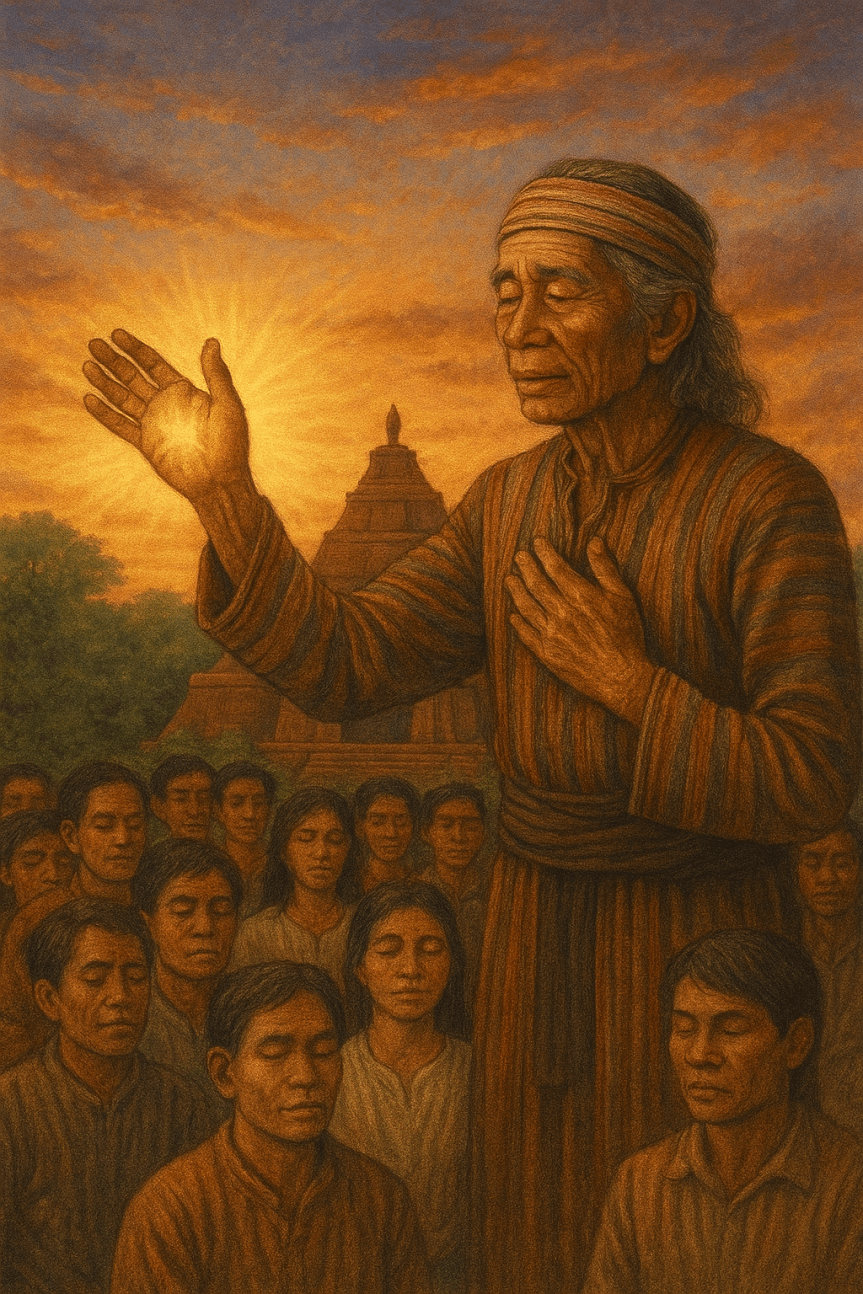
Hilot Binabaylan, as practiced in our institution, belongs to this sacred domain.
It is not merely a technique.
It is not only a method.
It is a way of being, a calling, and a spiritual ministry.
It integrates:
- The body (physical wellness)
- The mind (awareness and intention)
- The spirit (sacred connection and ancestral guidance)
In this sense, it transcends the framework of conventional healthcare systems.
On Regulation and Sacred Boundaries
In response to our letter, PITAHC kindly suggested applying for certification or recognition.
We receive this with respect.
However, it is important to clarify:
👉 Our intention was never to seek certification.
This is not out of resistance, but out of responsibility to the nature of our work.
Spiritual healing—particularly those rooted in indigenous traditions—belongs to a space that is:
- Protected by freedom of religion and belief
- Guided by ancestral knowledge systems
- Sustained through initiation, formation, and spiritual lineage
To subject such practices to formal regulation in the same way as physical modalities risks something deeper:
❗ It may unintentionally limit, redefine, or diminish the spiritual essence of the practice.
Sacred traditions are not merely systems to be standardized.
They are living relationships—with spirit, land, and community.
Indigenous Wisdom and Ethical Responsibility
This position is not a rejection of accountability.
On the contrary, Indigenous spiritual traditions carry their own forms of responsibility:
- Eldership and mentorship
- Ritual discipline
- Spiritual discernment
- Community-based validation
These are not lesser forms of accountability—they are simply different in nature.
In fact, they demand:
- Deeper humility
- Greater integrity
- And a lifelong commitment to ethical service
Toward a Framework of Shared Ethical Principles
Rather than viewing regulation and spiritual autonomy as opposing forces, we see an opportunity:
A space for dialogue and collaboration grounded in shared values
Such a framework may include:
- Non-violence in all forms of healing
- Respect for human dignity and consent
- Protection of vulnerable individuals
- Cultural sensitivity and Indigenous respect
- Clarity between physical, therapeutic, and spiritual practices
In this shared space:
- Government institutions can safeguard public welfare
- Spiritual institutions can preserve sacred integrity
Both serve the same people.
A Living Conversation
This is not the end of a discussion—it is the beginning of one.
We remain open to meaningful dialogue with PITAHC and other institutions, not to conform or to control, but to:
🌿 Co-create a holistic and ethical landscape of healing in the Philippines
One that honors:
- Science and spirit
- Safety and sacredness
- Regulation and freedom
Closing Reflection
As we continue our work in Hilot Binabaylan and the ministry of Templong Anituhan, we hold firmly to this guiding truth:
Healing is sacred.
And what is sacred must be protected—not only from harm, but from being reduced to something it is not.
May we move forward together—with wisdom, humility, and respect for all paths that lead toward healing.

