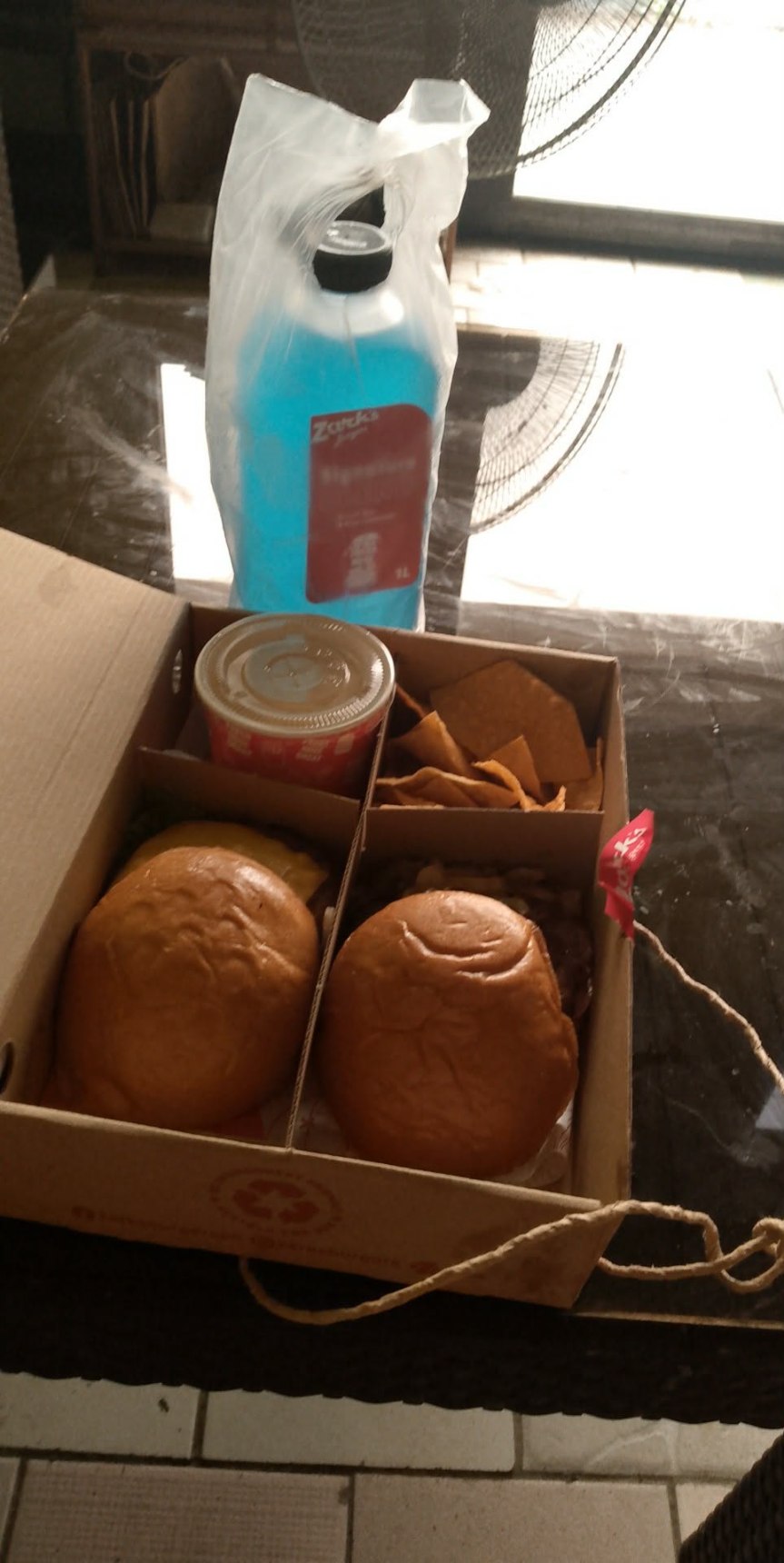
In modern society, food is often evaluated through numbers and labels—calories, nutrients, price, or presentation. We ask: Is it healthy? Is it delicious? Is it affordable? While these questions are important, they do not fully capture the deeper meaning of food.
From an indigenous and holistic perspective, the true richness of food is revealed not only in what we eat, but in how and with whom we eat.
The delight of food is not measured by taste, nutrition, or price.
Its true richness is measured by how it is shared—especially when it is shared with someone you love.
Food as Relationship, Not Just Consumption
In traditional Filipino culture, pagkain is never merely an individual act. It is relational. Meals are invitations to connect—with family, community, ancestors, and the unseen. A simple dish, when shared, becomes abundant. A modest table, when surrounded by loved ones, becomes sacred.
This reflects an ancient wisdom: healing does not happen in isolation. Just as Hilot views the body as interconnected—physical, emotional, mental, spiritual, and cultural—food too nourishes more than the body. It nourishes belonging.
Shared Meals as a Form of Healing
In Hilot Binabaylan practice, imbalance often arises not only from physical causes but from emotional and relational disconnection. Loneliness, grief, and separation weaken the spirit. In contrast, shared meals restore harmony.
When food is shared:
– The body receives nourishment
– The heart feels seen and included
– The spirit experiences warmth and grounding
This is why meals prepared with care and shared in love often feel more satisfying than expensive or elaborate food eaten alone.
Love as an Invisible Ingredient
There is an ingredient that cannot be measured or listed on any label: pagmamahal.
Food prepared or shared with love carries a different quality. It slows us down. It opens conversation. It invites presence. In many indigenous traditions, intention is as important as the material itself. What we feel and offer while eating becomes part of what we ingest.
In this way, every shared meal becomes a quiet ritual—a moment of embodiment, where care is made tangible.
Embodiment in Everyday Life
At Hilot Academy of Binabaylan, we speak of embodiment—not only as a concept, but as a lived practice. Embodiment happens when wisdom is expressed through daily acts: how we touch, how we listen, how we eat, and how we gather.
Sharing food is one of the simplest yet most profound ways to embody healing values:
– Presence over haste
– Relationship over consumption
– Gratitude over excess
A Gentle Reminder
In a world that often eats quickly and alone, let us remember:
Food heals best when it is shared.
Nourishment deepens when love is present.
And the table, no matter how simple, becomes a place of restoration when hearts meet.
This is the kind of wellness we uphold at Hilot Academy of Binabaylan—a healing that honors the body, strengthens relationships, and nourishes the spirit.
 Hilot Academy of Binabaylan